Introduction
In precision manufacturing and engineering design, the details of how components are joined or mounted are critical. One such feature that plays a significant role in these assemblies is the blind hole.
What Is a Blind Hole?
A blind hole is a hole that is drilled or machined into a material to a specific depth, but does not pass completely through the workpiece. Unlike through holes, blind holes are enclosed at the bottom, which may be flat or slightly rounded depending on the tooling used.
Engineering Importance
Blind holes are essential for:
Secure fastening in cases where a through-hole would compromise sealing or integrity.
Structural integrity, preserving the strength and load-carrying capacity of the part.
Aesthetics, particularly in consumer-facing products where visible holes are undesirable.
Confined assemblies, where access to the rear side of the component is not possible or practical.
Common Applications
Blind holes are widely used across:
Aerospace: For critical assemblies requiring precision and integrity.
Automotive: In engine blocks, transmission housings, and interior components.
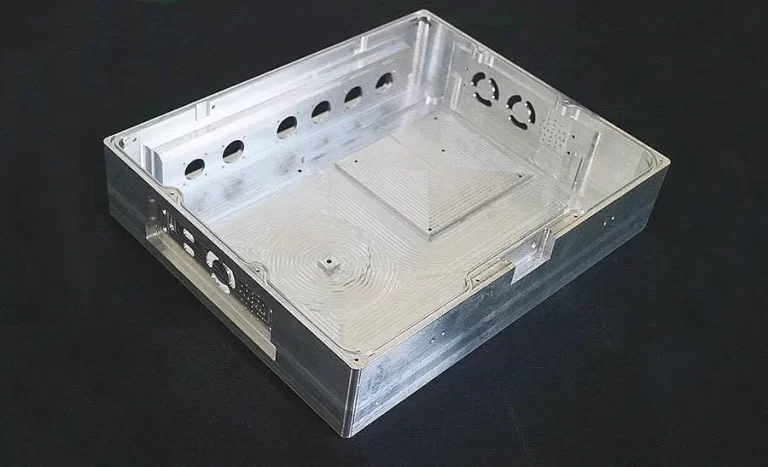
Electronics: For mounting PCBs and heat sinks without breaching enclosures.
Industrial machinery: In fixtures, dies, and complex mechanical assemblies.
Construction: Where concealed fasteners are structurally or visually preferred.
Types of Holes in Engineering
Understanding hole types is fundamental to component design and selection of manufacturing processes.
| Hole Type | Description |
|---|---|
| Blind Hole | Ends at a specified depth; does not pass through the entire workpiece. |
| Through Hole | Extends completely through the part; accessible from both sides. |
| Countersink | Conical recess around the hole’s opening, used for flush fasteners. |
| Counterbore | Cylindrical recess allowing bolt heads to sit flush or below surface. |
| Spotface | Flat surface around a hole to ensure even loading under bolt heads. |
| Tapered Hole | Diameter changes along its depth; used for specific fit applications. |
| Reamed Hole | Precisely finished for tight-tolerance fits, following an initial drilling. |
Each hole type serves unique mechanical or assembly functions and may be combined in a single component for multifaceted performance.
Characteristics and Design Considerations of Blind Holes
Blind holes introduce both functional opportunities and engineering challenges. Proper understanding of their characteristics ensures reliable performance and manufacturability.
Key Characteristics
| Characteristic | Description |
|---|---|
| Depth | Determined based on thread engagement, fastener length, and application requirements. |
| Diameter | Must be precise, matching drill or tap specifications for fit and thread compatibility. |
| Surface Integrity | Preserves the outer face, important for both aesthetics and environmental sealing. |
| Accessibility | Limited by design; affects chip removal during machining and complicates inspection. |
| Tolerance & Finish | Critical for mechanical performance in load-bearing or high-precision assemblies. |
Design Tips for Engineers
Account for Tap Chamfer Length: When tapping threads, the initial threads formed by the chamfer are incomplete. Ensure the blind hole is deep enough to include additional threads beyond the chamfered length for full engagement.
Allow Clearance for Chips: Incorporate additional depth beyond the thread length to accommodate chip buildup during drilling or tapping. This prevents binding and improves tool life.
Avoid Interference with Other Features: Carefully plan the blind hole location to avoid breaching thin walls, critical internal cavities, or intersecting features.
Use Bottoming Taps for Full Threads: Especially in shallow holes, bottoming taps help achieve maximum thread depth.
Consider Tool Access and Coolant Flow: Ensure tool length and coolant delivery are sufficient for clean, accurate hole production.
Blind holes, though simple in concept, require careful consideration in both design and production to meet structural, functional, and aesthetic objectives.
Machining Processes for Blind Holes
a. Drilling Techniques
Hand Drills: Use for low-precision applications; mark depth with tape or depth collars.
Drill Presses: Offer better alignment, depth control, and repeatability.
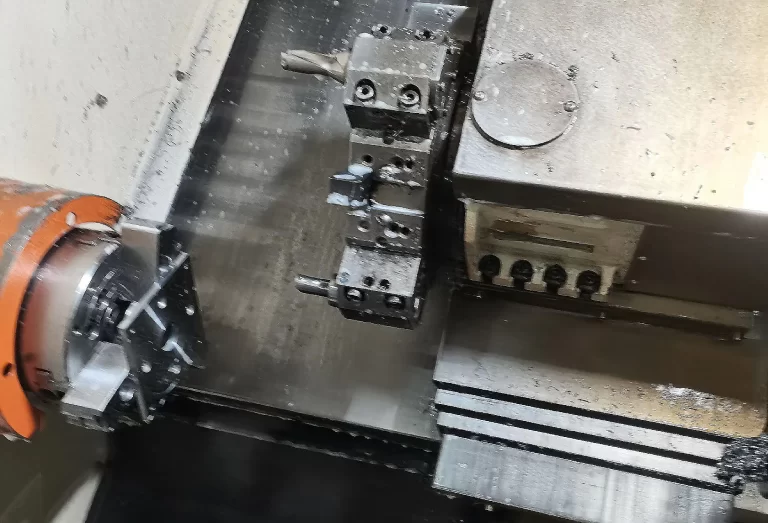
CNC Machines / Lathes: Essential for precise and repeatable hole depths in complex geometries.
Chip Removal is critical:
Use cutting fluids to reduce heat and friction.
Retract frequently to clear chips, especially in deep or narrow holes.
b. Reaming & Finishing
After drilling, reaming may be applied to:
Improve dimensional accuracy (typically within ±0.005 mm).
Enhance surface finish.
Prepare the hole for tight-fitting dowels or bearings.
A reamer should be used at appropriate speeds with lubrication to reduce friction and preserve tool life.
Tapping and Threading Blind Holes
Tap Selection
Spiral Flute Taps: Ideal for blind holes; evacuate chips back out of the hole.
Bottoming Taps: Cut threads close to the hole bottom—necessary for maximizing thread engagement.
Roll Taps (Form Taps): Produce threads by deformation, not cutting—generate no chips and reduce clogging.
Drill Bit Sizing
Ensure proper pilot hole diameter (e.g., M10 × 1.5 → Ø8.8 mm drill).
Thread Depth Formula:
Thread Depth = Thread Length + (Thread Pitch × 9)
This accounts for lead-in threads and complete engagement.
Chip Management:
Clean regularly during tapping cycles.
Inspect taps for wear or chip build-up.
Fasteners Suitable for Blind Holes
a. Standard Blind Rivets (e.g., ALFO Type)
Features: Expand inside the hole; grooved shafts ensure grip.
Applications: High-retention assemblies with access from one side only.
Installation Guidelines:
Experiment to determine proper drill size.
Rivet length should exceed part thickness and accommodate mandrel head.
Validate pull-out resistance through testing.
b. Hammer Drive Blind Rivets
Installation: Set by hammer impact; no special tool required.
Material Compatibility: Usable with steel, aluminum, and plastics.
Applications: Building cladding, enclosures, sheet metal frames.
Tip: Trial fitting is essential to determine suitable length and hole tightness.
Blind Hole Symbol and Technical Callouts
In engineering drawings, blind holes are depicted using a circle with a partial centerline and depth arrow. Example:
M6 x 1 ↧12 / 16
Thread: M6 x 1
Thread Depth: 12 mm
Total Hole Depth: 16 mm
This ensures machinists and quality inspectors understand both the usable thread and full drill depth.
Cleaning and Inspection of Blind Holes
Debris Removal Methods
During Machining:
High-pressure coolant
Peck drilling with fluid flush
Post-Drilling:
Compressed air
Vacuum nozzles
Nylon brushes for manual cleaning
Inspection Tools
Depth Gauges and Dial Indicators for depth validation
Borescopes and optical probes for visual inspection
Non-destructive methods for critical or internal holes
Applications of Blind Holes
Mechanical Fastening: Concealed bolt or rivet heads for aesthetic or clearance reasons
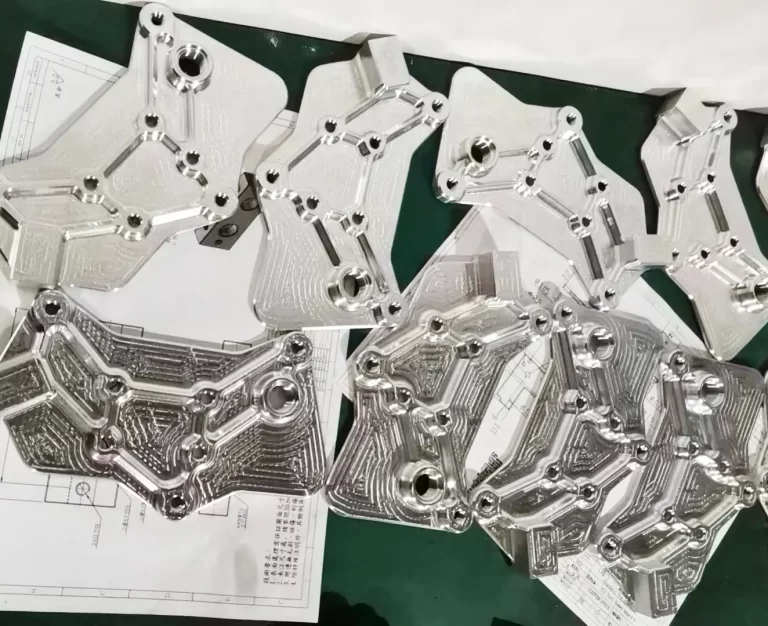
Hydraulic Systems: Blind cavities serve as fluid pockets or manifold features
Aesthetic Parts: Prevent visible holes on outer surfaces
Structural Joints: Enable load-bearing fastening without compromising through-part integrity
Blind Holes vs. Through Holes: Summary Comparison
| Aspect | Blind Hole | Through Hole |
|---|---|---|
| Depth | Partial | Full material thickness |
| Tapping Tools | Spiral flute, bottoming taps | Taper taps, spiral point taps |
| Chip Evacuation | Challenging | Easier due to exit path |
| Appearance | Concealed fasteners | Fasteners exposed on both sides |
| Structural Use | Controlled load distribution | Ideal for bolted joints and high loads |
Common Challenges in Blind Hole Machining
Chip Clogging: Leads to tap binding or drill breakage
Depth Overrun: May puncture through thin sections
Access Limitations: Complicated in complex or multi-sided parts
Tool Breakage: Common if retraction or lubrication is neglected
Best Practices & Engineering Tips
Use CNC or drill presses for accurate control
Mark drill depth using collars, stops, or indicators
Always apply lubricants to reduce friction
Pre-drill pilot holes for large-diameter holes
Verify both depth and cleanliness before tapping or assembly
Clean thoroughly to prevent fastener issues or corrosion
Conclusion
Blind holes are foundational to precision component design across numerous industries. Their ability to enable concealed fastening, conserve material strength, and enhance aesthetics makes them indispensable in high-performance assemblies.
However, successfully machining and fastening blind holes demands careful planning, tool selection, and methodical execution.
Selecting suitable fasteners like grooved blind rivets or hammer-drive types, and following best practices, ensures secure, long-lasting assemblies.
Whether you’re designing lightweight aerospace structures or high-volume industrial parts, mastering blind hole strategies is a critical step toward manufacturing excellence.