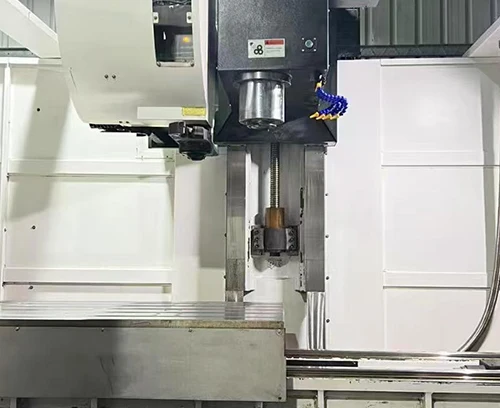
CNC Milling
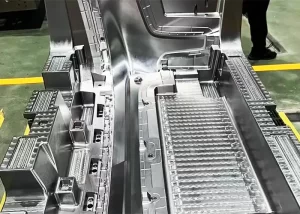
From fundamental 3-axis machining to complex 5-axis projects, our precision CNC milling brings your designs to life with exceptional accuracy and craftsmanship.
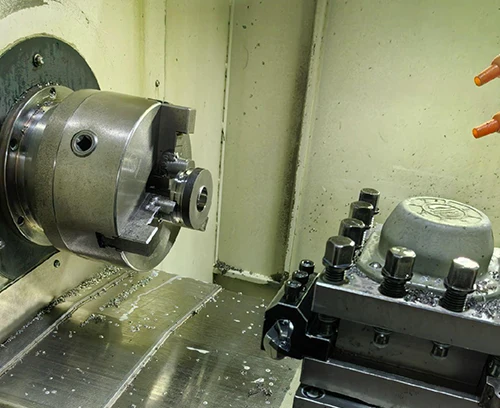
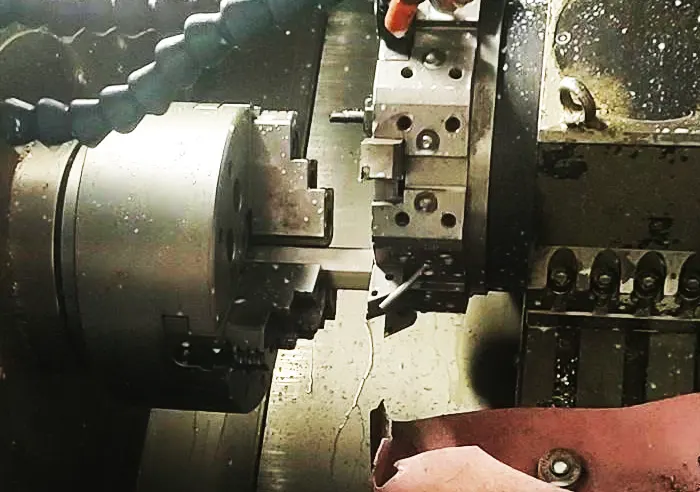
CNC Turnning
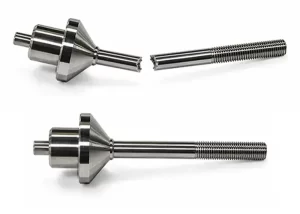
Ensure the production of highly accurate turned parts, no matter how complex the design. Get durable parts featuring flats, radial and axial holes, slots, and grooves.
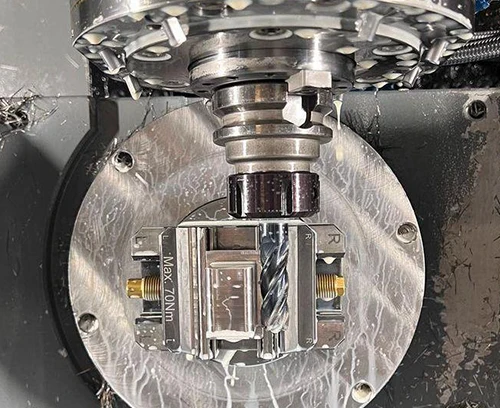
5 Axis CNC Milling
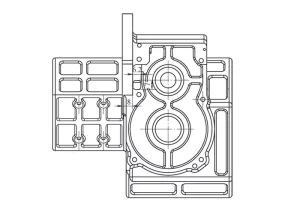
Achieve high precision and exceptional accuracy with our 5-axis CNC machining services, capable of producing intricate parts with extremely complex geometries.
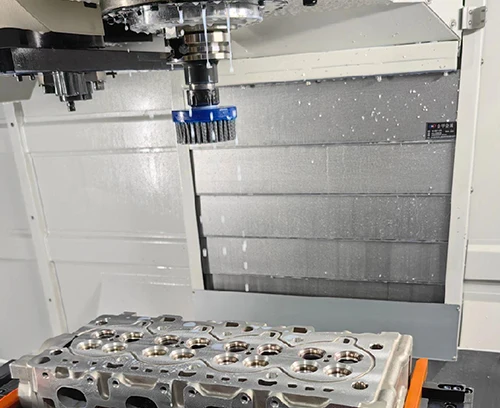
Precision Machining
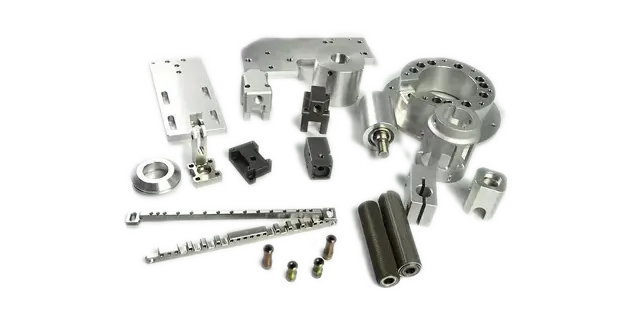
Precision machining utilizes advanced CNC technology to manufacture highly accurate parts essential for industries such as aerospace, medical devices, and electronics.

Sharp Corner

Undercut

Undercut

Thick Walls

Tolerance Guide

Small Hole

Narrow Area
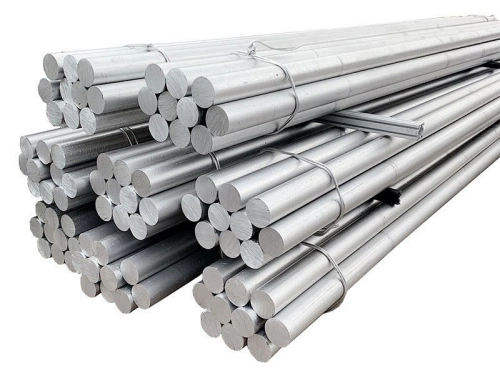 Aluminum
Aluminum, valued for its combination of lightness and strength, offers increased durability without the addition of unnecessary weight. Its remarkable ductility allows for detailed shaping, making it ideal for complex designs.
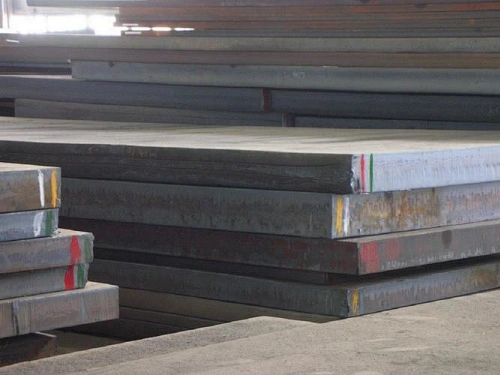 Carbon Steel
Carbon steel is a type of steel with excellent mechanical properties and a wide range of applications. Through reasonable heat treatment processes and corrosion prevention measures, its performance can be further enhanced and its service life extended.
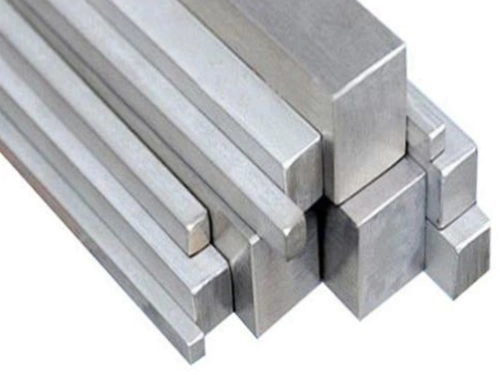 Stainless Steel
Stainless steel, renowned for its enduring quality and resistance to stains, ensures long-lasting use and maintains its appearance, even in harsh conditions.
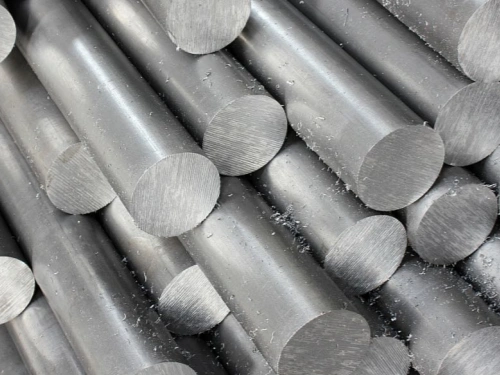 Tool Steel
Tool Steel, or tool steel, is a type of steel primarily used for manufacturing cutting tools, gauges, molds, and wear-resistant tools. It is characterized by its high hardness, ability to maintain hardness and red-hardness at high temperatures, high wear resistance, and adequate toughness.
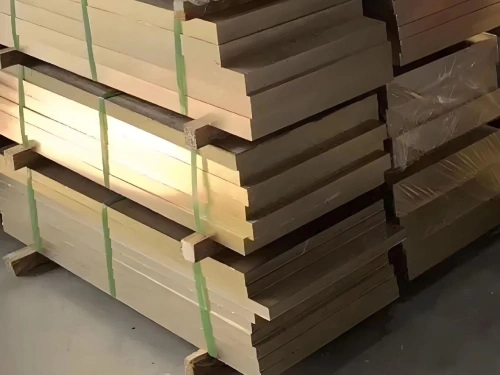 Brass
Brass
Long-lasting, unique gold hue, robust, readily workable for intricate parts.
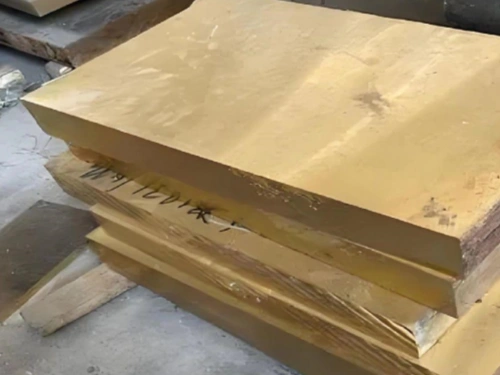 Copper
The advantages of copper are unmistakable: it possesses unparalleled electrical conductivity, high thermal efficiency, and natural corrosion resistance, ensuring long-lasting durability and superior performance across various manufacturing applications.
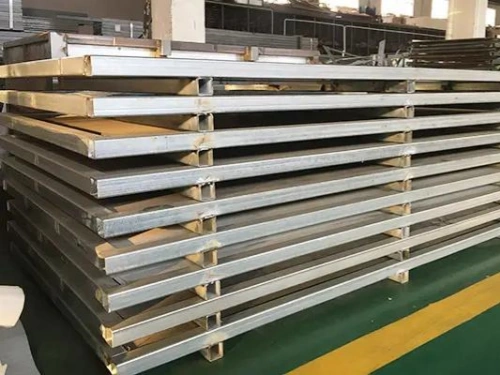 Titanium
High conductivity for both heat and electricity, malleable, resistant to corrosion, ideal for complex shaping and bending processes.
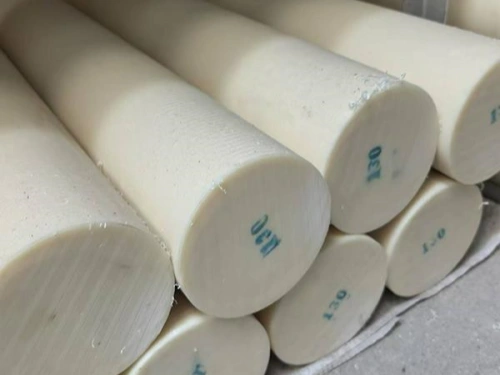 ABS
ABS
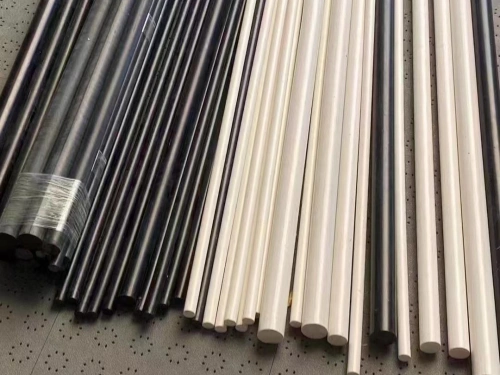
ABS is a copolymer consisting of three monomers: acrylonitrile, butadiene, and styrene. The mix of these monomers gives ABS a distinct set of characteristics, such as high impact strength, satisfactory heat resistance, and outstanding dimensional stability.
 PMMA
PMMA
PMMA, also referred to as acrylic, is a durable and transparent material that is resistant to UV radiation and weathering. Thanks to its appealing aesthetics, it can be readily colored, molded, and utilized in a wide range of construction applications.
 PE
PE
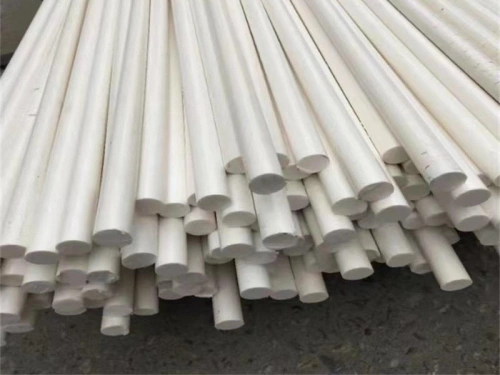
Polyethylene (PE) is a widely utilized thermoplastic polymer renowned for its outstanding properties. This lightweight, resilient, and adaptable material finds extensive application in diverse fields, owing to its ease of processing into various shapes and sizes.
 Nylon
Nylon
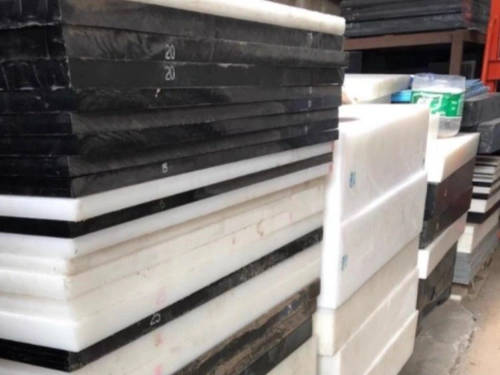
During machining, nylon, a synthetic thermoplastic polymer, necessitates careful attention to prevent overheating, as this can result in problems such as melting, distortion, or harm to the material.
 PEEK
PEEK
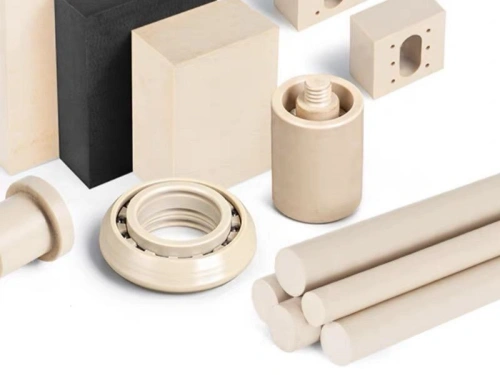
PEEK (Polyetheretherketone) is a distinctive engineering plastic renowned for its exceptional qualities, such as resistance to high temperatures, self-lubricating capabilities, ease of fabrication, and superior mechanical strength.
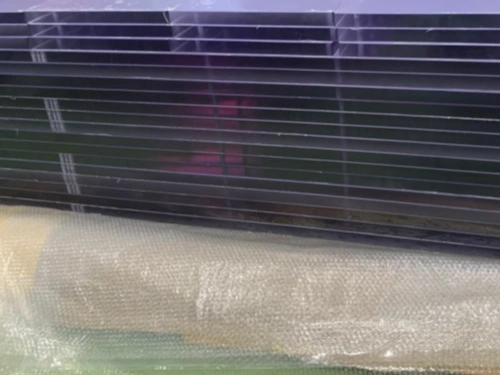 PC
PC
Polycarbonate is a robust and durable plastic that possesses flame-resistant and antioxidant characteristics. It exhibits superior impact resistance, clarity, and mechanical attributes.
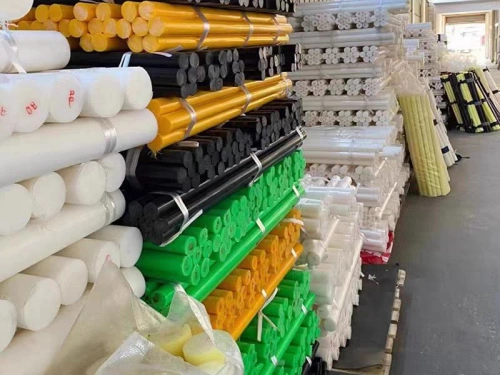 PP
PP
PP (Polypropylene) is noted for its exceptional chemical resistance, a high melting temperature, and its low density. When machining PP with a CNC machine, it is essential to employ a sharp tool with a large rake angle and a slow cutting speed. These precautions ensure that the material does not overheat and melt.
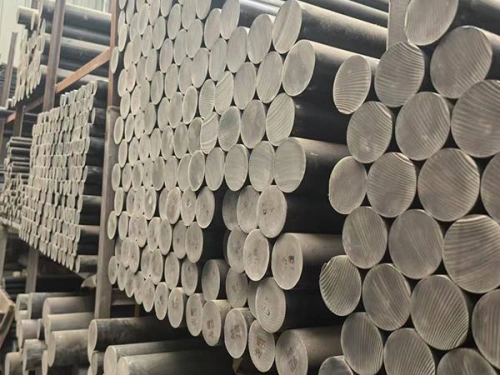 PET
PET
Polyethylene terephthalate (PET), a thermoplastic material, is a suitable choice for CNC milling and turning processes because of its excellent machinability and adaptability. With appropriate tooling and cutting settings, PET can be readily shaped and molded, rendering it perfect for producing prototypes, bespoke components, and containers via CNC machining.
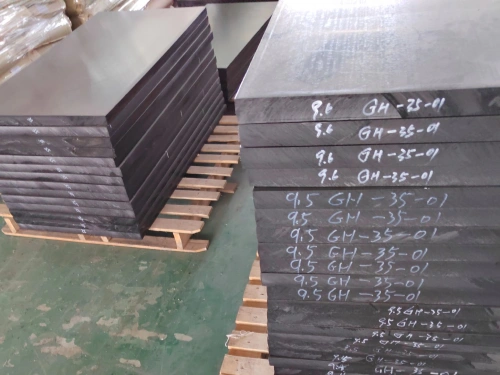 POM
POM
POM(Polyoxymethylene) is a thermoplastic material known for its exceptional stiffness, low friction coefficient, ease of machining, and outstanding dimensional stability. However, working with POM can be difficult because of its high melting temperature and tendency to chip or crack if the cutting parameters are not precisely managed.
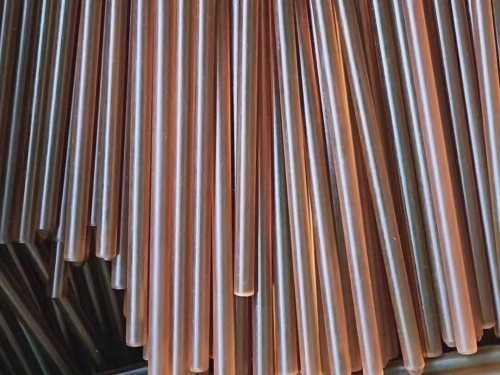 PVC
PVC
PVC is robust, long-lasting, and resistant to chemicals, weather conditions, and flame. However, machining it can generate hazardous dust and fumes that may pose a risk to workers’ safety. To ensure the safety of workers, it is essential to utilize appropriate safety gear and ventilation during the process.
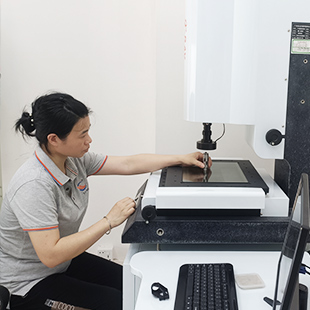
High Performance 2D Image
It generally refers to a 2D digital image optimized for speed, quality, and efficiency in rendering, processing, or display.
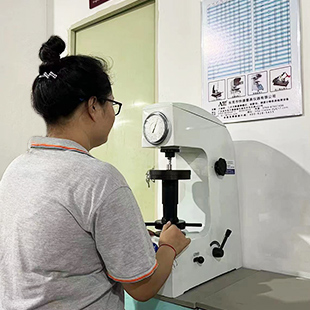
Hardness Tester
Hardness Tester is a device used to measure the hardness of materials, typically metals, plastics, and rubber.
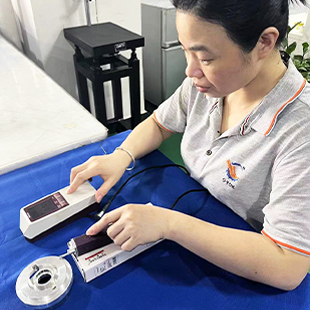
Surface Roughness Tester
It quantifies irregularities and deviations from a perfectly smooth surface, helping to determine manufacturing quality and functional performance.
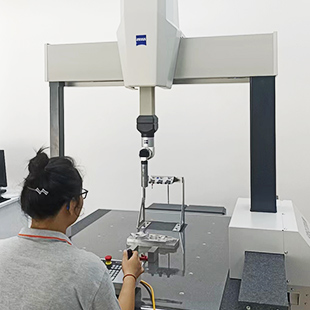
Three Dimensional
Three-Dimensional (3D) refers to objects or spaces that have width, height, and depth, giving them volume and a realistic appearance.
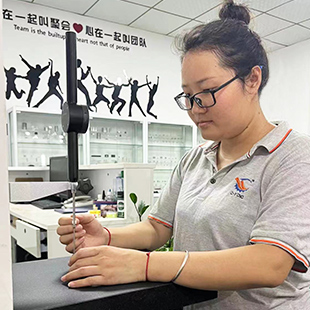
Digital Micrometer
It features a digital display that provides exact readings, eliminating the need to interpret a vernier or dial scale.
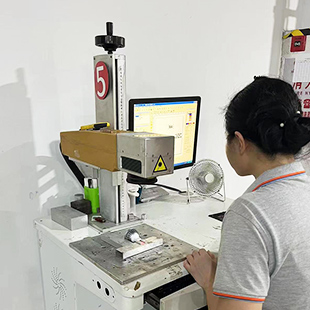
Laser Marking Machine
It is widely used for engraving, etching, and branding in industries like manufacturing, aerospace, medical devices, and electronics.
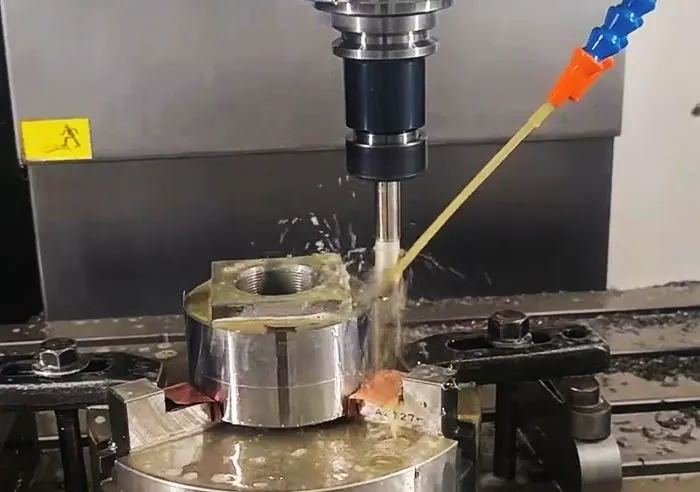
CNC Prototyping
CNC machining is an excellent choice for rapid prototyping, allowing fast turnaround and high dimensional accuracy. CNC prototypes are often used for functional testing, design verification, and pre-production validation.
Production CNC Machining
For low- and medium-volume production, CNC machining offers stable quality and flexible scalability. We help customers transition smoothly from prototype to production while maintaining cost efficiency.