
Quick Answers




What Metal Parts Can CNC Machines Make?
- July 28, 2025
- Jason Chang
- 6:15 am
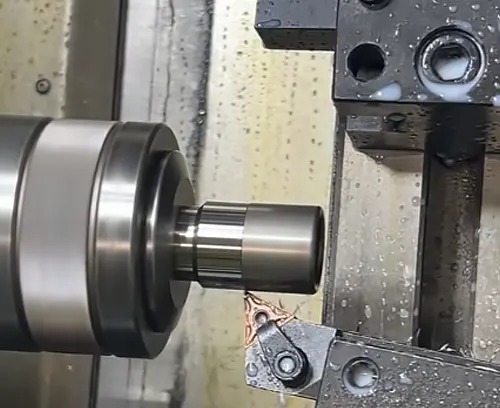
When it comes to manufacturing metal parts with precision and accuracy, CNC (Computer Numerical Control) machining is one of the most popular methods used in the industry.
CNC machines are capable of producing a wide range of metal parts, from intricate components to large-scale structures, with high repeatability and efficiency.
Common Metal Parts Produced by CNC Machining
1. Prototypes: CNC machining is widely used for producing prototypes of metal parts.
Whether it’s a simple component or a complex assembly, CNC machines can accurately replicate the design specifications, allowing engineers to test the functionality and performance of the part before mass production.
2. Brackets and Mounts: CNC machining is ideal for fabricating brackets and mounts used in various applications, such as automotive, aerospace, and electronics.
These metal parts require precision and strength, which CNC machines can achieve consistently.
3. Gears and Sprockets: CNC machining is commonly employed to produce gears and sprockets used in machinery and equipment.
These parts are critical for transmitting motion and power efficiently, and CNC machines can create intricate tooth profiles with high accuracy.
4. Fasteners: CNC machining is suitable for manufacturing a wide range of fasteners, including screws, bolts, nuts, and studs.
These metal parts require precise dimensions and thread profiles, which CNC machines can achieve with tight tolerances.
5. Tooling Components: CNC machining is often used to produce tooling components, such as dies, molds, and fixtures, used in manufacturing processes.
These metal parts require high accuracy and durability to ensure consistent production quality.
6. Custom Components: CNC machining is ideal for producing custom metal parts with unique shapes and features.
Whether it’s a specialized tool, aerospace component, or medical device, CNC machines can fabricate these parts with high precision and repeatability.
Materials Used in CNC Machining
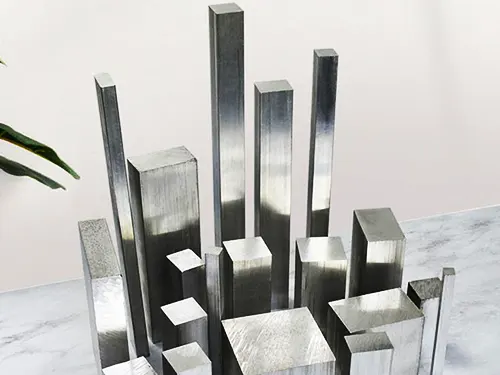
CNC machining can work with a wide range of metal materials, including:
1. Aluminum: Aluminum is a popular choice for CNC machining due to its lightweight, corrosion resistance, and excellent machinability.
It is commonly used in aerospace, automotive, and electronics industries.
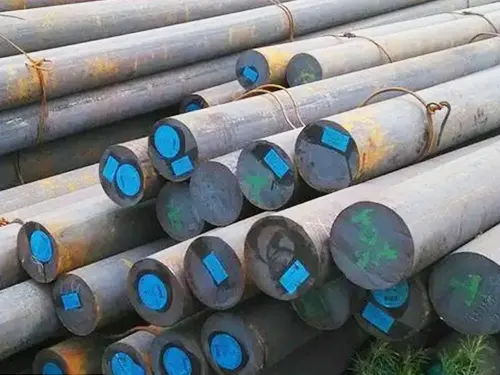
2. Steel: Steel is a versatile material used in CNC machining for its strength, durability, and machinability.
It is widely used in various applications, including automotive parts, machinery components, and tooling.
3. Stainless Steel: Stainless steel is known for its corrosion resistance, strength, and aesthetics.
It is commonly used in applications where hygiene and durability are important, such as medical devices, food processing equipment, and architectural components.
4. Brass: Brass is a low-friction metal with excellent electrical conductivity, making it suitable for components used in electrical and electronic devices.
It is also used in decorative applications due to its attractive golden color.
5. Copper: Copper is a highly conductive metal used in electrical and thermal applications.
It is commonly used in wiring, connectors, and heat exchangers due to its excellent conductivity properties.
Conclusion
In conclusion, CNC machining is a versatile and efficient method for producing a wide range of metal parts with precision and accuracy.
From prototypes and brackets to gears and tooling components, CNC machines can fabricate intricate components with tight tolerances, ensuring high-quality output for various industries.
By leveraging the capabilities of CNC machining and utilizing a variety of metal materials, engineers and manufacturers can create innovative and reliable metal parts that meet the demands of modern manufacturing processes.