
Quick Answers




Which Machining Process Achieves the Tightest Tolerance for Holes?
- July 28, 2025
- Jason Chang
- 3:15 am
When it comes to manufacturing precision components, achieving tight tolerances is crucial.
In many industries, such as aerospace, medical, and automotive, the ability to create holes with extremely tight tolerances is essential for the proper functioning of the end product.
Introduction to Machining Processes
Machining is a process that involves removing material from a workpiece to create the desired shape and size.
There are several machining processes commonly used in industry, including milling, turning, drilling, grinding, and electrical discharge machining (EDM).
Each of these processes has its strengths and limitations when it comes to achieving tight tolerances, especially for holes.
Factors Affecting Tolerance in Machining
Before we delve into which machining process is best for achieving tight tolerance holes, it’s essential to understand the factors that can affect the tolerance of a machined hole.
These factors include machine accuracy, tool quality, material properties, cutting parameters, and the skill of the operator.
Milling
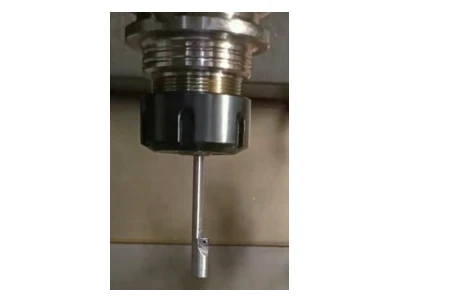
Milling is a machining process that uses rotary cutters to remove material from a workpiece.
It is widely used for creating complex shapes and features, including holes with tight tolerances.
With the use of high-precision CNC machines and advanced cutting tools, milling can achieve tight tolerance holes within a few microns.
Turning
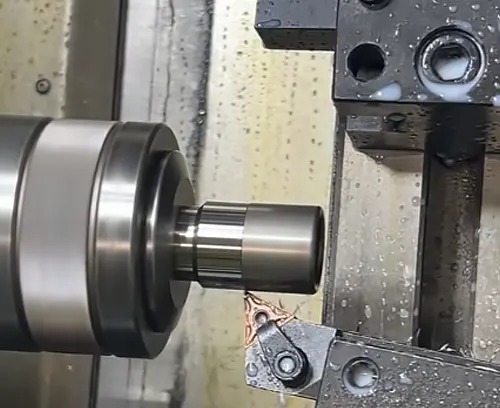
Turning is a machining process that involves rotating a workpiece while a cutting tool removes material from the surface.
While turning is excellent for creating round features like shafts and pins, it may not be the best choice for achieving tight tolerance holes.
The limitations of turning lie in the tool’s diameter and the difficulty of creating non-round holes.
Drilling
Drilling is a machining process specifically designed for creating holes in a workpiece.
With the use of high-speed drills and precision tooling, drilling can achieve relatively tight tolerance holes. However, the limitations of drilling lie in the tool’s deflection, which can affect the hole’s straightness and size accuracy.
Grinding
Grinding is a precision machining process that uses an abrasive wheel to remove material from a workpiece. While grinding is known for producing extremely tight tolerances, it may not be the most efficient process for creating holes.
The limitations of grinding lie in the complexity of tooling and setup required for hole grinding applications.
Electrical Discharge Machining (EDM)
Electrical Discharge Machining (EDM) is a non-traditional machining process that uses electrical discharges to remove material from a workpiece.
EDM is highly precise and can achieve extremely tight tolerance holes.
With the use of advanced EDM machines and tooling, holes with sub-micron tolerances can be easily achieved.
Comparison of Machining Processes
| Machining Process | Tolerance Capability | Limitations |
|---|---|---|
| Milling | Tight tolerances within a few microns | Limited to the size of cutting tools |
| Turning | Limited tolerance capability for holes | Difficulty in creating non-round holes |
| Drilling | Relatively tight tolerance holes | Tool deflection affects accuracy |
| Grinding | Extremely tight tolerances | Complex tooling and setup |
| EDM | Sub-micron tolerances | High initial setup cost |
Conclusion
In conclusion, while all machining processes have their strengths and limitations when it comes to achieving tight tolerance holes, Electrical Discharge Machining (EDM) stands out as the most capable process for achieving sub-micron tolerances.
With its high precision and ability to create complex geometries, EDM is the preferred choice for industries that require extremely tight tolerance holes in their components.