
Quick Answers




Which Machining Process Consumes the Most Energy?
- July 28, 2025
- Jason Chang
- 3:10 am
The Most Energy-Consuming Machining Process
Machining processes play a crucial role in the manufacturing industry, shaping raw materials into finished products.
However, these processes come with a cost – energy consumption.
Understanding which machining process consumes the most energy is important for manufacturers looking to optimize their operations and reduce their environmental impact.
Types of Machining Processes
Before we identify the most energy-consuming machining process, let’s first explore the different types of machining processes commonly used in manufacturing:
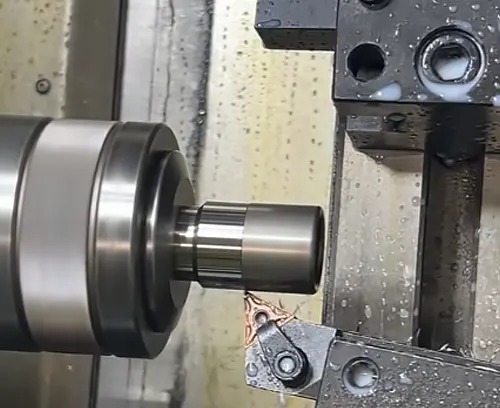
1. Turning: In turning, a cutting tool is used to remove material from a rotating workpiece to create cylindrical shapes.
2. Milling: Milling involves using rotary cutters to remove material from a workpiece, typically creating flat surfaces and slots.
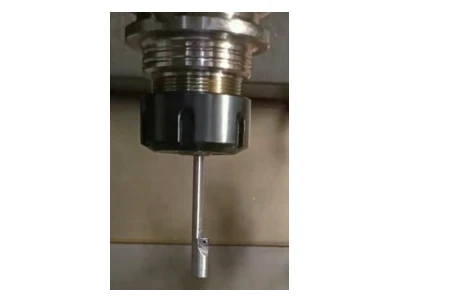
3. Drilling: Drilling uses a rotating cutting tool to create holes in a workpiece.
4. Grinding: Grinding utilizes abrasive particles to remove material from a workpiece, typically used for finishing operations.
5. Electrical Discharge Machining (EDM): EDM uses electrical discharges to erode material from a workpiece, commonly used for shaping hard materials.
Factors Affecting Energy Consumption
Several factors can influence the energy consumption of machining processes, including:
1. Material Removal Rate: Higher material removal rates typically result in increased energy consumption.
2. Cutting Tool Wear: Excessive tool wear can lead to higher energy consumption due to inefficiencies in the cutting process.
3. Machine Tool Efficiency: The design and maintenance of machine tools can impact their energy efficiency.
4. Cutting Parameters: Speed, feed rate, and depth of cut all play a role in determining energy consumption during machining.
The Most Energy-Consuming Machining Process
After considering the various machining processes and factors affecting energy consumption, it is clear that grinding stands out as the most energy-intensive process.
Grinding involves the use of abrasive particles to remove material from a workpiece, requiring a significant amount of energy to achieve the desired surface finish and dimensional accuracy.
Compared to other machining processes such as turning and milling, grinding typically requires higher cutting forces and lower material removal rates, leading to increased energy consumption.
Additionally, the use of abrasives in grinding can result in higher tool wear, further contributing to energy inefficiencies.
Energy-Saving Strategies
While grinding may be the most energy-consuming machining process, there are several strategies that manufacturers can implement to reduce energy consumption:
1. Optimize Cutting Parameters: Adjusting speed, feed rate, and depth of cut can help minimize energy consumption during grinding operations.
2. Use High-Efficiency Grinding Wheels: Choosing grinding wheels with advanced abrasive technologies can improve cutting efficiency and reduce energy consumption.
3. Implement Coolant Strategies: Proper coolant application can help reduce friction and heat generation during grinding, leading to energy savings.
4. Invest in Energy-Efficient Machine Tools: Upgrading to modern, energy-efficient grinding machines can significantly reduce energy consumption in the long run.
Conclusion
In conclusion, grinding emerges as the most energy-consuming machining process due to its unique characteristics and requirements.
By understanding the factors influencing energy consumption and implementing energy-saving strategies, manufacturers can optimize their grinding operations and reduce their overall energy footprint.
While grinding may be energy-intensive, with the right approach, energy efficiency improvements can be achieved to benefit both the environment and the bottom line.