
Quick Answers





Which Car Parts Are Best Produced by Machining?
- July 28, 2025
- Jason Chang
- 3:02 am
When it comes to the manufacturing of automobile components, machining plays a crucial role in producing high-quality, precise parts.
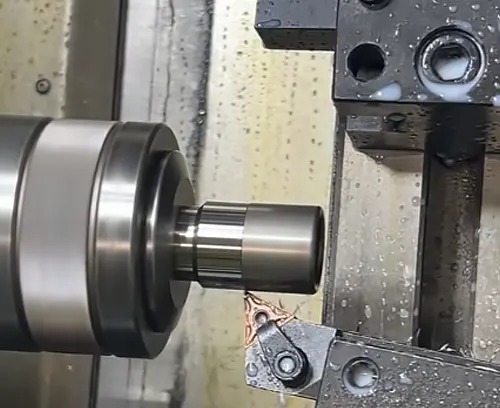
Machining processes such as milling, turning, drilling, and grinding are commonly used in the production of various car parts.
Engine Components
One of the most critical parts of a car is the engine, and machining is widely used in the production of engine components.
Parts such as cylinder blocks, cylinder heads, crankshafts, camshafts, and pistons require high precision and accuracy, which can be achieved through machining processes like milling and grinding.
Machining ensures that the engine components meet tight tolerances and specifications, resulting in optimal performance and efficiency.
Transmission Components
Another essential system in a car is the transmission, which consists of various components that control the power delivery from the engine to the wheels.
Machining is ideal for producing transmission components such as gears, shafts, and housings, as it allows for intricate shapes and profiles to be accurately machined.
The precision and surface finishes achieved through machining ensure smooth operation and durability of the transmission system.
Suspension Components
The suspension system of a car plays a key role in ensuring a comfortable ride and handling performance.
Machining is commonly used in producing suspension components such as control arms, knuckles, and shock absorber housings.
The tight tolerances and smooth finishes achieved through machining processes contribute to the overall stability and performance of the suspension system.
Braking Components
Brakes are an essential safety feature in a car, and machining is crucial in producing braking components that meet strict quality and performance requirements.
Parts such as brake discs, calipers, and master cylinders are often produced through machining processes like turning and milling.
Machining ensures that the braking components have precise dimensions and surface finishes, resulting in reliable and consistent braking performance.
Chassis Components
The chassis of a car provides structural support and rigidity, and machining is used in producing various chassis components to ensure strength and durability.
Parts such as frame rails, cross members, and suspension mounting brackets are typically machined to achieve tight tolerances and precise fitment.
Machining processes like drilling and milling enable complex shapes and contours to be accurately produced, contributing to the overall structural integrity of the chassis.
Conclusion
In conclusion, machining plays a vital role in producing high-quality and precise car parts across various systems and components.
Engine components, transmission components, suspension components, braking components, and chassis components are among the parts that benefit greatly from machining processes.
The accuracy, precision, and surface finishes achieved through machining ensure the optimal performance, reliability, and safety of the car.
By utilizing machining techniques effectively, manufacturers can produce top-notch car parts that meet the demanding requirements of the automotive industry.