

Quick Answers






Why do disc brakes need machining?
- June 19, 2025
- Jason Chang
- 9:27 am
Disc brakes are an essential component in modern vehicles, providing the necessary stopping power to ensure safety on the road. Over time, disc brakes may develop wear and tear, leading to the need for maintenance and potential machining.
We will delve into the reasons why disc brakes require machining, the process involved, and the importance of proper maintenance for optimal performance.
Understanding Disc Brakes
Before we dive into the reasons why disc brakes need machining, it is important to understand how they work. Disc brakes consist of a rotor, caliper, and brake pads.
When the brake pedal is pressed, hydraulic fluid is sent to the caliper, which squeezes the brake pads against the rotor, creating friction and slowing down the vehicle.
Reasons for Machining Disc Brakes
Disc brakes may require machining for a variety of reasons, including:
- Warped Rotors: Over time, the rotors may become warped due to heat and stress from braking. Machining can help resurface the rotors and restore them to their original shape, improving braking performance.
- Thickness Variation: Brake rotors may exhibit variations in thickness, resulting in uneven braking. Machining can help ensure uniform thickness across the rotor, improving braking consistency.
- Scoring or Grooving: Continuous use of the brakes can cause scoring or grooving on the rotor surface. Machining can smooth out these imperfections, improving brake pad contact and reducing noise.
- Glazing: Excessive heat can lead to glazing on the rotor surface, reducing friction and compromising braking efficiency. Machining can remove the glazed layer and restore proper braking performance.
The Machining Process
Disc brake machining involves turning the rotor on a lathe to remove a thin layer of material from the surface. This process helps resurface the rotor and remove any imperfections that can affect braking performance. Here is an overview of the machining process:
1. Rotor Inspection
Before machining, the rotor is inspected for wear, warping, and other damage. It is important to determine if the rotor can be safely machined or if replacement is necessary.
2. Lathe Setup
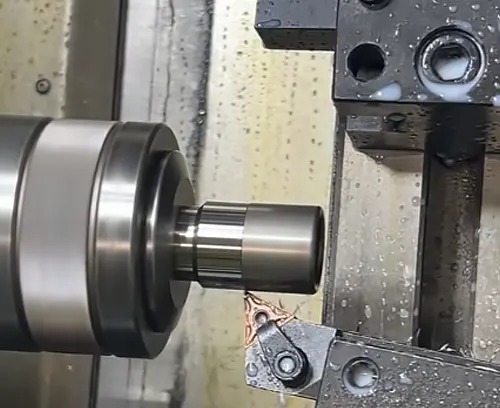
The rotor is mounted on a lathe machine, which spins the rotor while a cutting tool removes material from the surface. The lathe is adjusted for the appropriate depth of cut to achieve the desired resurfacing.
3. Machining
The cutting tool is carefully guided across the rotor surface, removing a thin layer of material to create a smooth, flat surface. This process may be repeated until the desired finish is achieved.
4. Final Inspection
Once machining is complete, the rotor is inspected again to ensure that the desired specifications have been met. The rotor should be free of imperfections and within the recommended thickness range for safe operation.
Importance of Proper Maintenance
Regular maintenance of disc brakes is essential to ensure optimal performance and safety on the road. Machining can help extend the lifespan of the brakes and prevent costly repairs or replacements.
It is recommended to have the brakes inspected regularly and machined as needed to maintain peak performance.
Conclusion
In conclusion, disc brakes require machining for various reasons such as warped rotors, thickness variation, scoring or grooving, and glazing. The machining process involves turning the rotor on a lathe to resurface the rotor and remove imperfections.
Proper maintenance and machining, as needed, are crucial for ensuring optimal braking performance and road safety.
By understanding the reasons for disc brake machining and following recommended maintenance practices, engineers can help prolong the lifespan of disc brakes and maintain their efficiency for years to come.