

Quick Answers




Are CNC end mills designed for drilling or poking?
- 6:20 am
CNC end mills are a critical tool used in various machining operations, including milling, drilling, and cutting.
A frequently raised question in machining is whether CNC end mills are purpose-built for drilling or for poking operations.
This article provides a detailed examination of the subject and offers guidance for engineers with a manufacturing background.
Understanding CNC End Mills
Before we can determine whether CNC end mills are designed for drilling or poking, it’s essential to understand what CNC end mills are and how they work.
CNC end mills are cutting tools used in CNC machining to remove material from a workpiece. They come in a variety of shapes, sizes, and materials, each serving a specific purpose in the machining process.
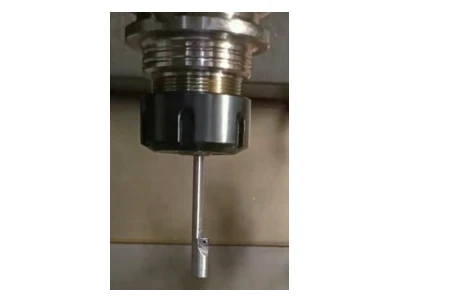
CNC end mills consist of a cutting head and a shank. The cutting head has flutes or teeth that remove material as it rotates, while the shank is inserted into the CNC machine’s spindle.
The material of the end mill, as well as the number of flutes and their helix angle, play a crucial role in determining the end mill’s performance and suitability for specific applications.
Drilling with CNC End Mills
Drilling is a machining operation that involves creating a hole in a workpiece. While drilling is typically associated with drill bits, CNC end mills can also be used for drilling operations.
End mills with a center cutting design are ideal for drilling, as they can plunge directly into the material without the need for a pilot hole.
When using CNC end mills for drilling, it’s essential to consider the flute geometry and the material of the end mill.
End mills with fewer flutes are better suited for drilling operations, as they evacuate chips more efficiently.
Additionally, using a coated end mill can help improve tool life and performance when drilling through tough materials.
Poking with CNC End Mills
It, also known as pecking or spot drilling, is a machining technique that involves making shallow holes or indentations in a workpiece.
Poking is commonly used to create reference points for drilling or for creating pockets for subsequent machining operations.
While poking can be achieved using drill bits, CNC end mills can also be used for this purpose.
End mills with a flat end or a ball nose design are well-suited for poking operations, as they can create precise and controlled indentations in the material.
Poking with CNC end mills allows for greater flexibility and accuracy in machining operations.
Choosing the Right CNC End Mill
When deciding whether to use CNC end mills for drilling or poking, it’s crucial to consider the specific requirements of the machining operation.
Factors such as material type, hole depth, hole diameter, and surface finish requirements will influence the choice of end mill.
For drilling operations, choose an end mill with a center cutting design and fewer flutes for efficient chip evacuation.
Consider using a coated end mill for improved tool life and performance in tough materials.
For poking operations, opt for end mills with a flat end or ball nose design for precise and controlled indentations.
Conclusion
In conclusion, CNC end mills are versatile tools that can be used for both drilling and poking operations in CNC machining.
While they are not specifically designed for drilling or poking, selecting the right end mill based on the machining requirements is crucial for achieving optimal results.
By understanding the characteristics and capabilities of different end mills, engineers with a manufacturing background can make informed decisions when choosing tools for their machining operations.