

Quick Answers




Can a CNC lathe cut a Solomonic column or spiral design?
- September 9, 2025
- Jason Chang
- 2:54 am
One of the most intricate and beautiful architectural features found in ancient buildings is the Solomonic column. These columns feature a twisted spiral design, reminiscent of the shape of a corkscrew.
The Solomonic column has been used in buildings across various cultures and time periods, adding a sense of elegance and grandeur to the structures it adorns.
Given the complexity of the design of a Solomonic column, one might wonder if modern technology, specifically CNC lathes, is capable of producing such intricate shapes.
The Basics of CNC Lathe Machining
Before we delve into the specifics of cutting a Solomonic column or spiral design, let’s first understand the basics of CNC lathe machining.
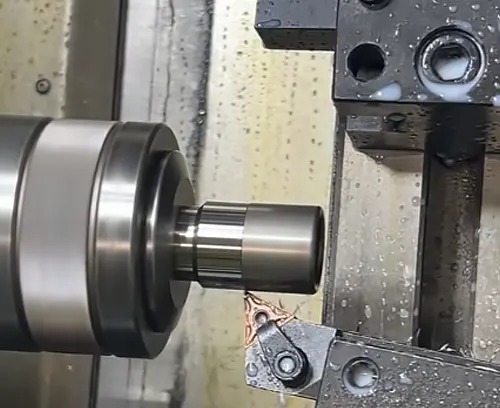
CNC (Computer Numerical Control) lathes are machines that are controlled by a computer program to perform precision turning and milling operations.
These machines are capable of producing complex shapes and designs with a high degree of accuracy and repeatability.
One of the key advantages of CNC lathe machining is the ability to automate the production process, reducing the need for manual labor and ensuring consistent quality in the finished product.
CNC lathes are commonly used in the manufacturing industry for producing a wide range of components, from simple cylindrical shapes to intricate parts with complex geometries.
Challenges in Cutting Solomonic Columns and Spiral Designs
While CNC lathes are highly versatile machines, cutting a Solomonic column or spiral design presents specific challenges due to the intricate and non-linear nature of the shape.
The main difficulty lies in programming the machine to follow the precise spiral path required to create the desired design.
Traditional turning operations on a CNC lathe typically involve cutting along a straight or curved axis.
However, in the case of a Solomonic column, the cutting tool must move along a spiral path while simultaneously rotating around the column’s axis.
This requires advanced programming techniques and specialized tooling to achieve the desired result.
Techniques for Cutting Solomonic Columns and Spiral Designs
Several techniques can be employed to cut Solomonic columns and spiral designs on a CNC lathe.
One common approach is to use a 4-axis or 5-axis CNC lathe, which allows for simultaneous movement of the cutting tool along multiple axes.
This enables the machine to follow the complex spiral path required for cutting the column.
Another technique is to use a specialized software program to generate the toolpath for cutting the spiral design.
By inputting the dimensions and parameters of the Solomonic column into the software, it can automatically create the code necessary to control the CNC lathe in cutting the desired shape.
Factors to Consider in CNC Lathe Machining of Solomonic Columns
When cutting a Solomonic column or spiral design on a CNC lathe, several factors must be considered to ensure a successful outcome. These include:
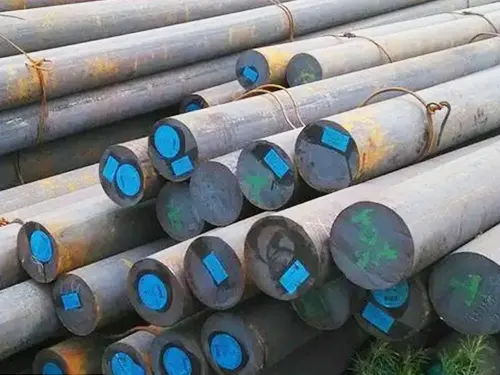
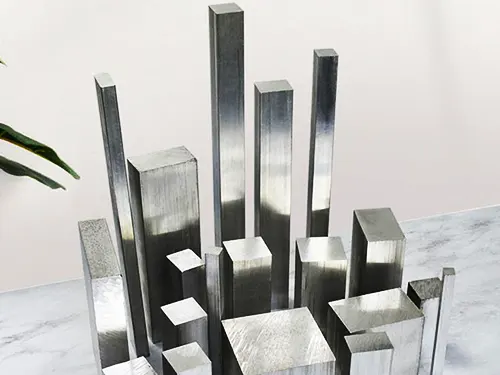
- Material Selection: The choice of material will impact the cutting speed, tooling requirements, and surface finish of the finished column.
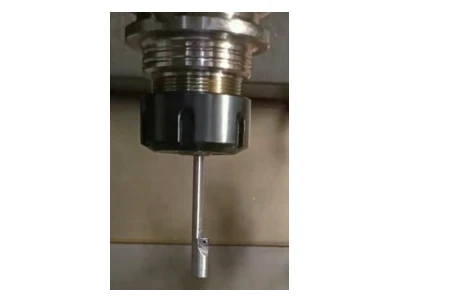
- Tooling: Engineers may need specialized tooling, such as custom carbide inserts or form tools, to follow the intricate spiral path of the design.
- Programming: Engineers must carefully design the CNC program to control the cutting tool’s movement along the spiral path with precision.
- Testing and Optimization: Iterative testing and refinement may be necessary to achieve the desired quality and accuracy in the finished column.
Conclusion
Cutting a Solomonic column or spiral design on a CNC lathe presents particular challenges.
However, with the right techniques and tools, engineers can achieve the intricate and elegant shapes characteristic of these architectural features.
Engineers and manufacturers can leverage the capabilities of CNC technology and employ advanced programming techniques.
This allows them to create stunning Solomonic columns that enhance the beauty and sophistication of their architectural projects.