Turning a perfect radius or ball shape on a CNC lathe requires precision, skill, and attention to detail. In this article, we will discuss the steps and techniques needed to achieve a flawless result.
Whether you are a seasoned engineer or just starting out in the manufacturing industry, this article will provide valuable insights into how to master the art of turning a perfect radius or ball shape on a CNC lathe.
Understanding the Basics
Before diving into the specifics of turning a radius or ball shape on a CNC lathe, it is important to understand the basics of machining.
Machining is a process in which a cutting tool is used to remove material from a workpiece to create a desired shape.
CNC lathes are incredibly versatile machines that can be programmed to perform a wide range of operations, including turning, drilling, facing, and threading.
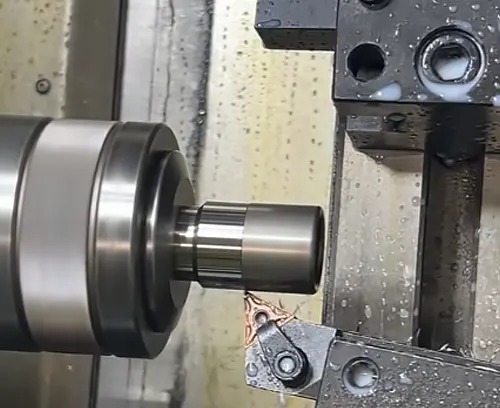
Turning is the process of removing material from a cylindrical workpiece to create a circular shape, such as a radius or ball.
Choosing the Right Tooling
One of the most important factors in turning a perfect radius or ball shape on a CNC lathe is choosing the right tooling.
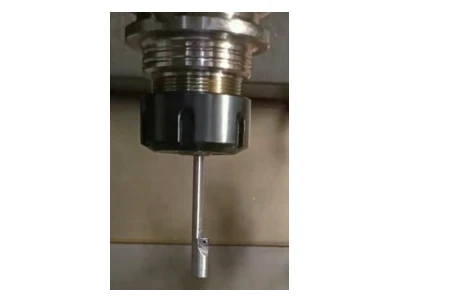
The cutting tool used for turning should be sharp, properly aligned, and made from a material that can withstand the cutting forces and heat generated during the machining process.
Carbide cutting tools are often recommended for turning operations, as they are durable and can maintain a sharp cutting edge for an extended period of time.
Setting Up the CNC Lathe
Once you have selected the appropriate cutting tool, the next step is to set up the CNC lathe for the turning operation.
This involves securing the workpiece in the lathe chuck or collet, setting the cutting tool to the correct height and angle, and programming the CNC machine with the necessary parameters, such as spindle speed, feed rate, and depth of cut.
Programming the Radius or Ball Shape
To turn a perfect radius or ball shape on a CNC lathe, it is essential to program the machine with the correct toolpath and cutting parameters.
The cutting tool follows a toolpath that removes material from the workpiece, and programmers should design this path to create a smooth and uniform curve.
You should optimize cutting parameters, such as spindle speed and feed rate, to ensure efficient material removal and minimize tool wear.
Executing the Turning Operation
With the CNC lathe set up and programmed, it is time to execute the turning operation. During the machining process, it is important to monitor the cutting tool closely and make any necessary adjustments to ensure a consistent and accurate result.
This may include adjusting the spindle speed, feed rate, or depth of cut to optimize the cutting performance and achieve the desired radius or ball shape.
Inspecting the Finished Part
Once the turning operation is complete, it is crucial to inspect the finished part to ensure that it meets the required specifications.
This may involve measuring the dimensions of the radius or ball shape, checking for any surface imperfections or defects, and verifying that the part is within the tolerance limits specified in the engineering drawing.
If any issues are identified, adjustments can be made to the machining process to improve the quality of the finished part.
Conclusion
Turning a perfect radius or ball shape on a CNC lathe is a challenging task that requires skill, precision, and attention to detail.
By following the steps and techniques outlined in this article, engineers with a manufacturing background can master the art of turning on a CNC lathe and achieve flawless results.
With the right tooling, setup, programming, and execution, engineers can create intricate radius and ball shapes with ease and precision.