
Quick Answers




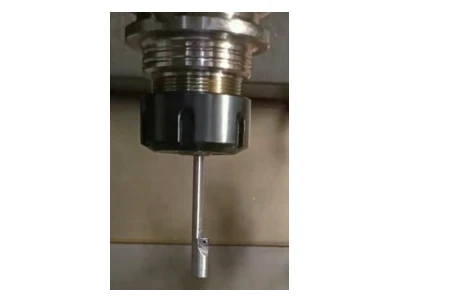

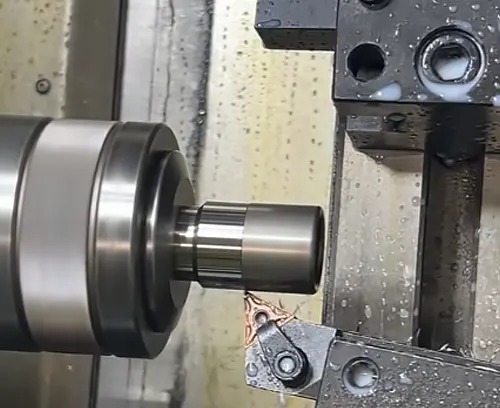

How do you machine a spiraling square hole accurately in metal?
For engineers in the manufacturing industry, precision is key. When it comes to machining complex shapes such as spiraling square holes in metal, the process can be challenging but achievable with the right approach.
Introduction
Creating a spiraling square hole in metal requires careful planning and execution. This unique shape presents a challenge for machinists due to its intricate design and high precision requirements.
By following a systematic approach and utilizing the right tools and techniques, it is possible to achieve accurate results that meet the highest standards of quality.
Understanding the Spiraling Square Hole
Before diving into the machining process, it is essential to understand the geometry of a spiraling square hole.
Unlike a traditional square hole with straight edges, a spiraling square hole features curved corners that follow a spiral pattern.
This shape adds complexity to the machining process, requiring careful attention to detail and precision.
Materials and Tools Required
Before starting the machining process, gather the necessary materials and tools. You will need:
- Metal workpiece
- CNC machining center with multi-axis capabilities
- Square end mill
- Spiral interpolation program
- Cutting fluid
Machining Process
The machining process for creating a spiraling square hole involves several steps. Follow these guidelines to ensure accuracy and precision:
- Securely set up the workpiece in the CNC machining center and ensure proper alignment.
- Program the spiral interpolation toolpath into the machine’s software, specifying the dimensions of the spiraling square hole.
- Attach the square end mill to the machine’s spindle and securely fasten it.
- Apply cutting fluid to the workpiece to reduce heat and friction during machining.
- Begin the machining process, following the programmed toolpath to create the spiraling square hole.
- Monitor the machining process closely to ensure the hole’s dimensions and shape are accurate.
- Make any necessary adjustments to the toolpath or cutting parameters to achieve the desired results.
- Once the machining process is complete, inspect the spiraling square hole for any defects or imperfections.
Challenges and Considerations
Creating a spiraling square hole presents unique challenges that require careful consideration. Some factors to keep in mind include:
- Tool wear: The square-end mill may experience wear due to the complex hole shape. Monitor the tool and replace it as needed to maintain precision.
- Chip evacuation: The spiral nature of the hole can lead to chip buildup, which can affect the machining process. Use cutting fluid and proper chip evacuation techniques to prevent this issue.
- Dimensional accuracy: Achieving precise dimensions in a spiraling square hole requires attention to detail and regular inspection during the machining process.
Conclusion
Creating a spiraling square hole accurately in metal is a challenging but rewarding process for engineers in the manufacturing industry.
By following the steps and guidelines outlined in this article, machinists can achieve precise results that meet the highest quality standards.
With the right tools, techniques, and attention to detail, machining complex shapes, such as spiraling square holes, is achievable and showcases the skill and precision of modern manufacturing processes.