

Quick Answers




How small can a CNC machine cut?
When it comes to CNC machining, precision is key. Engineers and manufacturers rely on CNC machines to cut and shape various materials with high accuracy. But just how small can a CNC machine cut?
This question is often asked by those in the manufacturing industry looking to push the boundaries of what is possible with modern technology.
Cutting Process
Before diving into the specifics of how small a CNC machine can cut, it’s important to understand the basics of the cutting process.
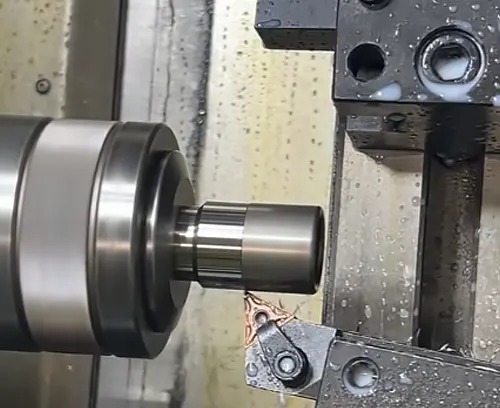
CNC machines use computer-controlled movements to guide a cutting tool along a predetermined path.
The cutting tool removes material from a workpiece, shaping it into the desired form. The size of the cut is determined by the diameter of the cutting tool and the accuracy of the machine’s movements.
Factors Affecting Cut Size
Several factors can affect the smallest achievable cut size on a CNC machine. These factors include:
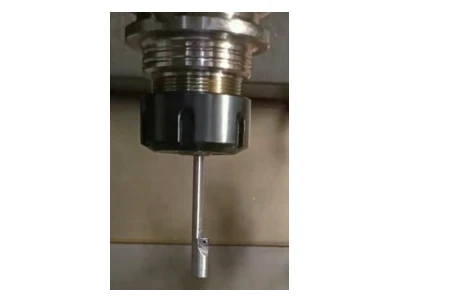
- Tool Diameter: The diameter of the cutting tool directly impacts the size of the cut. Smaller tools can make finer cuts, allowing for more intricate designs.
- Machine Accuracy: The precision of the CNC machine’s movements plays a crucial role in determining the smallest achievable cut size. Machines with high accuracy can achieve smaller cuts with greater detail.
- Material Properties: The type of material being cut can also affect the cut size. Softer materials may allow for smaller cuts, while harder materials may require larger tools.
Minimum Cut Size
So, how small can a CNC machine cut? The answer to this question depends on the factors mentioned above.
In general, CNC machines can achieve cut sizes as small as 0.001 inches (0.0254 mm) or even smaller.
However, achieving such small cut sizes requires the use of specialized cutting tools, high-precision machines, and careful consideration of the material properties.
Applications
The ability to achieve extremely small cut sizes opens up a world of possibilities for engineers and manufacturers.
CNC machines are used in a wide range of industries, including aerospace, automotive, medical, and more.
They can create intricate parts with tight tolerances, allowing for the production of complex components that would be impossible to create by hand.
Challenges
While CNC machines offer a high level of precision and accuracy, there are still challenges to overcome when cutting at extremely small sizes.
Factors such as tool wear, material deformation, and machine vibrations can all impact the quality of the cut. Engineers and manufacturers must carefully consider these challenges when working with small cut sizes.
Conclusion
In conclusion, CNC machines can cut materials at extremely small sizes, thanks to advances in technology and machining capabilities.
By understanding the factors that affect cut size and overcoming the challenges associated with small cuts, engineers and manufacturers can push the boundaries of what is possible in the world of manufacturing.
With the right tools and expertise, the possibilities are endless.