

Quick Answers




Stainless Steel CNC Machining: Challenges and Best Practices
Stainless steel has become one of the most widely used materials in CNC machining due to its exceptional balance of strength, corrosion resistance, durability, and long-term cost efficiency.
Unlike aluminum, which prioritizes light weight, or carbon steel, which sacrifices corrosion resistance for cost, stainless steel offers a versatile solution for components that must perform reliably in demanding mechanical, thermal, and chemical environments.
Compared with aluminum, stainless steel provides significantly higher tensile strength, wear resistance, and service life, making it better suited for load-bearing or high-wear components.
When measured against carbon steel, stainless steel eliminates the need for surface coatings or frequent maintenance in corrosive environments.
Titanium, while superior in strength-to-weight ratio and corrosion resistance, is far more expensive and difficult to machine, positioning stainless steel as the practical midpoint between performance and manufacturability.
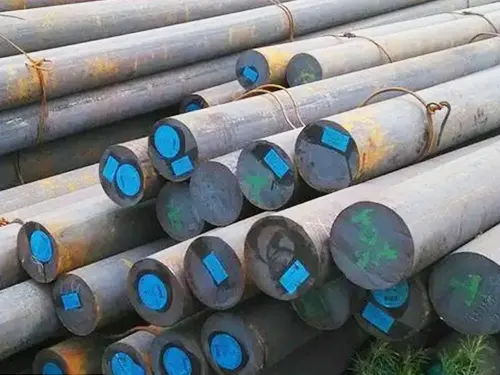
Industries such as aerospace, medical devices, food processing, chemical equipment, oil and gas, marine engineering, and precision industrial automation continue to drive strong demand for CNC-machined stainless steel parts.
This guide provides a comprehensive technical overview of stainless steel CNC machining, including material properties, grade selection, machinability behavior, cost considerations, and real-world applications.
What Is Stainless Steel CNC Machining?
Stainless steel CNC machining refers to the computer-controlled removal of material from stainless steel workpieces to produce high-precision components.
CNC systems translate digital CAD designs into CAM toolpaths, enabling repeatable, accurate machining across low-volume prototypes and high-volume production runs.
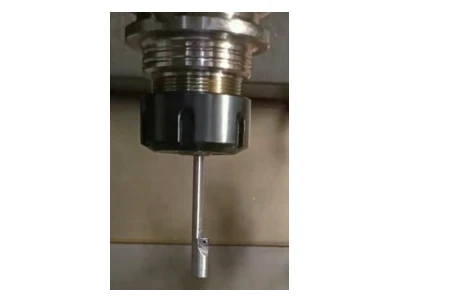
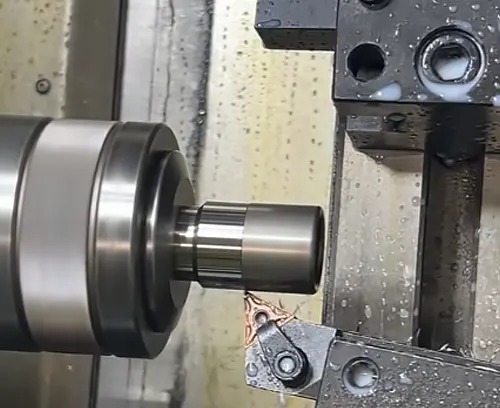
Common CNC processes used for stainless steel include milling for complex geometries and pockets, turning for rotational parts such as shafts and bushings, drilling for precision holes, grinding for surface finish and dimensional accuracy, laser cutting for thin sheet components, and wire EDM for hardened or intricate profiles that are difficult to machine conventionally.
Each process must be carefully optimized due to stainless steel’s tendency to generate heat, resist cutting, and work harden.
The typical workflow begins with CAD modeling, followed by CAM programming that defines cutting speeds, feeds, tool selection, and toolpaths.
The CNC machine then executes the program with real-time positional control, often supported by coolant systems to manage heat and tool wear.
Modern CNC machining can achieve tolerances of ±0.005 mm routinely in stainless steel, with tighter tolerances possible under controlled conditions.
Surface finishes in the Ra 0.4–1.6 μm range are commonly achievable, depending on grade, tooling, and post-processing.
Key Properties of Stainless Steel for CNC Machining
The defining feature of stainless steel is its corrosion resistance, which results from a passive chromium oxide layer that forms naturally when chromium content exceeds approximately 10.5%.
This self-healing oxide layer protects the material from oxidation, moisture, and many chemical agents, eliminating the need for protective coatings in most applications.
From a mechanical standpoint, stainless steel exhibits high tensile strength, good fatigue resistance, and excellent impact toughness.
Many grades retain mechanical performance across wide temperature ranges, making them suitable for both cryogenic and elevated-temperature environments.
A critical machining-related characteristic is work hardening. Austenitic and duplex stainless steels, in particular, harden rapidly when plastically deformed during cutting.
If tooling, feeds, or speeds are not optimized, the cutting zone can become significantly harder than the base material, accelerating tool wear and degrading surface finish.
Stainless steel has relatively low thermal conductivity compared to aluminum or carbon steel.
Heat generated during cutting tends to concentrate at the tool edge rather than dissipating through the workpiece, increasing the risk of tool failure without proper coolant application.
In terms of fabrication, many stainless steels offer good weldability, especially austenitic grades, and can be post-machined with polishing, passivation, or electropolishing.
Hygienic performance is another major advantage, as stainless steel resists bacterial growth and withstands repeated sterilization, making it indispensable in medical and food-processing applications.
Types of Stainless Steel Used in CNC Machining
Austenitic stainless steels are the most commonly machined category, characterized by a face-centered cubic crystal structure stabilized by nickel.
These alloys offer excellent corrosion resistance and ductility but present machining challenges due to severe work hardening and gummy chip formation.
Grades such as 303, 304, and 316 dominate general-purpose CNC machining.
Ferritic stainless steels contain little to no nickel and have a body-centered cubic structure.
They provide good resistance to stress corrosion cracking and are generally lower in cost than austenitic grades.
However, their lower toughness and limited weldability restrict their use in complex or high-stress machined components.
Martensitic stainless steels are heat-treatable alloys known for high hardness and wear resistance.
Their machinability varies widely depending on the heat treatment state.
While they machine more easily in an annealed condition, the hardness after heat treatment significantly increases tool wear.
Duplex stainless steels combine austenitic and ferritic phases, offering superior strength and corrosion resistance compared to either type alone.
This performance comes at the cost of increased machining difficulty due to higher cutting forces and pronounced work hardening.
Precipitation hardening stainless steels achieve high strength through controlled heat treatment involving solution annealing and aging.
These alloys are often machined in the solution-treated condition and aged afterward, providing an optimal balance between machinability and final mechanical performance.
Best Stainless Steel Grades for CNC Machining
Stainless steel 303 is widely regarded as the most machinable austenitic stainless steel.
Sulfur additions improve chip breaking and reduce cutting forces, making it ideal for high-speed CNC operations.
However, the same sulfur content slightly reduces corrosion resistance, limiting its use in harsh chemical or marine environments.
Stainless steel 304 represents the best overall balance between performance, cost, and availability.
While its machinability is lower than 303, it offers excellent corrosion resistance and is suitable for food, chemical, and general industrial components.
Proper tooling and cutting strategies mitigate work hardening issues effectively.
Stainless steel 316 and its low-carbon variant 316L provide enhanced resistance to chlorides and aggressive chemicals due to molybdenum additions.
These grades are preferred in marine, medical, and pharmaceutical machining. The lower carbon content of 316L improves weldability and reduces the risk of carbide precipitation.
Stainless steel 416 is a free-machining martensitic grade optimized for high-speed CNC turning and milling.
It offers excellent machinability and good strength but reduced corrosion resistance compared to austenitic grades, making it suitable for industrial components rather than corrosive environments.
Stainless steel 17-4 PH stands out as the preferred high-strength option.
By machining the material in the solution-treated condition and aging it afterward, manufacturers achieve exceptional strength and dimensional stability.
This grade is widely used in aerospace, oil and gas, and high-load mechanical systems.
Stainless Steel Machinability Comparison
The machinability of stainless steel varies significantly by grade and microstructure.
The following table provides a comparative overview using carbon steel as a baseline reference of 100%.
| Stainless Steel Grade | Relative Machinability (%) | Work Hardening Tendency | Typical CNC Use Case |
|---|---|---|---|
| 416 | 85–90 | Low | High-speed production parts |
| 303 | 75–80 | Moderate | Precision turned components |
| 304 | 45–55 | High | General-purpose machined parts |
| 316 / 316L | 40–50 | High | Corrosive environment components |
| 17-4 PH (solution treated) | 55–60 | Moderate | High-strength precision parts |
| Duplex 2205 | 35–45 | Very High | Structural corrosion-resistant parts |
Tool wear increases sharply as machinability decreases, particularly in duplex and austenitic grades.
Chip control is easiest in sulfur-enhanced grades such as 303 and 416, while continuous, stringy chips are common in 304 and 316. Work hardening is most severe in austenitic and duplex steels, necessitating aggressive feed rates and sharp tooling to cut beneath the hardened surface layer.
For rapid prototyping, grades such as 303 and 304 are preferred due to availability and predictable machining behavior.
High-volume production benefits from free-machining grades like 416 or optimized cutting strategies with 303.
Tight-tolerance and high-load applications are best served by 17-4 PH, where machining-before-aging ensures dimensional accuracy.
Stainless Steel CNC Machining Design Guidelines
Successful stainless steel CNC machining begins at the design stage.
Because stainless steel is stronger and less forgiving than aluminum, design decisions have a direct impact on machinability, tool life, and overall part cost.
Minimum wall thickness should be carefully controlled to prevent vibration and distortion during machining.
For most austenitic and martensitic stainless steels, a practical minimum wall thickness of 0.8–1.0 mm is recommended for small parts, while thicker sections above 1.5 mm improve dimensional stability for larger components.
Duplex and precipitation-hardening grades generally benefit from even thicker walls due to higher cutting forces.
Hole geometry is another critical consideration. Deep holes increase the risk of tool deflection, poor chip evacuation, and work hardening.
As a general guideline, blind holes should not exceed a depth-to-diameter ratio of 3:1, while through holes can safely reach 5:1 with proper tooling and coolant delivery.
Beyond these limits, specialized drills or secondary operations are often required.
Sharp internal corners should be avoided whenever possible. Fillets and corner radii reduce stress concentrations, improve tool accessibility, and extend cutter life.
A minimum internal radius equal to at least one-third of the cavity depth is recommended, with larger radii further reducing machining time and cost.
Tool deflection becomes a major issue in stainless steel due to higher cutting forces.
Designers should avoid long, unsupported features and narrow slots whenever possible.
Where thin features are unavoidable, adding temporary support stock or modifying the machining sequence can significantly improve part quality.
Tolerance specification has a direct effect on cost. Stainless steel can achieve very tight tolerances, but specifying unnecessarily tight limits increases machining time, inspection requirements, and scrap risk.
Functional tolerances should be applied only where required, while non-critical dimensions should be left with standard CNC tolerances to optimize manufacturing efficiency.
Challenges in Stainless Steel CNC Machining
Despite its advantages, stainless steel presents several well-known machining challenges that distinguish it from softer or more thermally conductive materials. One of the most significant is work hardening.
When cutting parameters are incorrect, the material surface hardens faster than it is removed, creating a progressively harder cutting zone that accelerates tool wear.
High cutting forces are another inherent challenge, particularly in duplex and precipitation-hardened grades.
These forces increase spindle load, promote vibration, and place greater stress on cutting tools and fixturing systems.
Chip evacuation can also be problematic. Many stainless steels produce long, continuous chips that wrap around tools or interfere with the cutting process, increasing the risk of tool breakage and surface damage.
Heat buildup is a direct consequence of stainless steel’s low thermal conductivity.
Unlike aluminum, heat remains concentrated near the cutting edge rather than dissipating into the workpiece, leading to thermal softening of tools and premature failure if cooling is inadequate.
Surface finish inconsistencies may occur if cutting tools dull rapidly or if work hardening causes fluctuating cutting resistance.
This is especially critical for components requiring smooth surfaces for sealing, hygiene, or fatigue resistance.
How to Overcome Stainless Steel Machining Challenges
Overcoming the inherent difficulties of stainless steel machining requires a combination of tooling strategy, process optimization, and material selection. Tool material choice is fundamental.
Cemented carbide tools are the industry standard for stainless steel, offering the necessary hardness and heat resistance.
Advanced coatings such as TiAlN, AlTiN, or multi-layer PVD coatings further improve wear resistance and thermal stability.
Feeds and speeds must be optimized to maintain consistent cutting action beneath the work-hardened layer.
Contrary to intuition, overly light cuts often worsen tool life in stainless steel.
Adequate feed rates help ensure the tool is always cutting fresh material rather than rubbing against hardened surfaces.
Coolant strategy plays a decisive role in tool longevity and surface quality.
High-pressure, flood coolant systems are commonly used to control temperature and evacuate chips effectively.
In deep-hole or complex milling operations, through-tool coolant delivery significantly improves performance.
Rigid fixturing and machine setup are essential to minimize vibration and deflection.
Stainless steel machining benefits from shorter tool overhangs, stable clamping, and machines with sufficient spindle power and rigidity.
Where application requirements allow, choosing free-machining grades such as 303 or 416 can dramatically reduce machining difficulty and cost.
These alloys are specifically engineered to improve chip control and reduce cutting forces.
Surface Finishing Options for CNC Machined Stainless Steel
Surface finishing is a critical step in maximizing the performance and appearance of CNC machined stainless steel components.
An as-machined finish is often sufficient for industrial parts where aesthetics are secondary, typically resulting in a surface roughness between Ra 1.6 and 3.2 μm depending on tooling and parameters.
Passivation is a widely used chemical treatment that removes free iron from the surface and enhances the natural chromium oxide layer.
This process significantly improves corrosion resistance without altering dimensions, making it common in medical, food, and chemical applications.
Electroplating and powder coating are sometimes applied for aesthetic or functional reasons, such as color coding or additional surface protection.
However, these coatings are not always necessary for corrosion resistance and may reduce the inherent benefits of stainless steel if improperly specified.
Polishing and brushing improve surface smoothness and visual appeal.
Polished surfaces reduce crevice corrosion risk and are easier to clean, which is critical in hygienic environments.
Brushed finishes offer a balance between appearance and practicality, commonly used in consumer-facing or architectural components.
Surface finish has a direct relationship with corrosion resistance.
Smoother surfaces reduce sites for corrosion initiation, while rough or damaged surfaces can compromise the protective oxide layer.
Cost Factors in Stainless Steel CNC Machining
The cost of CNC machining stainless steel is influenced by several interconnected factors.
Material grade selection is a primary driver, as high-alloy grades such as 316 or duplex stainless steels carry higher raw material costs than 304 or 303.
Machining time increases as machinability decreases. Harder, more work-hardening alloys require slower cutting speeds, more frequent tool changes, and longer cycle times.
Tooling costs also rise accordingly, particularly for complex geometries or tight tolerances.
Surface finishing operations add additional cost, especially when polishing, passivation, or coating is required.
Each finishing step introduces labor, processing time, and quality control requirements.
Design choices play a crucial role in cost reduction. Simplifying geometry, increasing internal radii, avoiding deep holes, and applying realistic tolerances can significantly lower total machining cost without sacrificing functionality.
Applications of CNC Machined Stainless Steel Parts
CNC machined stainless steel components are integral to medical devices and surgical instruments, where corrosion resistance, sterilizability, and biocompatibility are essential.
Aerospace applications rely on high-strength stainless steels for structural fittings, fasteners, and actuator components exposed to extreme conditions.
In the automotive sector, stainless steel is widely used for exhaust systems, engine components, and sensors due to its heat and corrosion resistance.
Marine hardware, including shafts, fittings, and fasteners, benefits from stainless steel’s durability in saltwater environments.
Food processing equipment depends on stainless steel for its hygiene, cleanability, and regulatory compliance.
Robotics and industrial automation systems use stainless steel components for precision, wear resistance, and long service life in demanding operating conditions.
Stainless Steel vs Other CNC Machining Materials
When compared with aluminum, stainless steel offers superior strength, wear resistance, and corrosion resistance at the expense of higher weight and machining cost.
Aluminum remains preferable for lightweight, high-speed machining applications, while stainless steel excels in durability-focused designs.
Compared to carbon steel, stainless steel eliminates the need for protective coatings and ongoing corrosion control.
Although carbon steel is easier and cheaper to machine, its susceptibility to rust limits its suitability in many environments.
Against titanium, stainless steel provides a more economical and machinable alternative for applications that do not require extreme strength-to-weight ratios.
Titanium offers unmatched performance in aerospace and biomedical implants but at significantly higher cost and machining complexity.
Stainless steel is the best choice when corrosion resistance, mechanical reliability, hygiene, and long-term durability are equally important.
FAQs About Stainless Steel CNC Machining
The easiest stainless steel to machine is typically grade 416, followed closely by 303, both of which are engineered for improved chip control and reduced cutting forces.
Stainless steel is more expensive to CNC machine than aluminum due to slower cutting speeds, higher tool wear, and longer cycle times, but it often delivers lower lifetime cost through durability and reduced maintenance.
Stainless steel can be CNC machined to very tight tolerances, commonly within ±0.005 mm, provided that proper tooling, fixturing, and process control are used.
For corrosion resistance, passivated or polished finishes are generally the most effective, as they enhance the natural protective oxide layer and reduce surface defects.
Choosing the right stainless steel grade depends on the operating environment, mechanical load requirements, corrosion exposure, and budget constraints of the application.
Choosing the Right CNC Machining Partner
Selecting the right CNC machining partner is critical for successful stainless steel projects.
Experience with stainless steel machining ensures proper material selection, optimized cutting strategies, and consistent quality outcomes.
A capable machining partner should maintain rigorous quality control procedures, including in-process inspection and final dimensional verification.
Material traceability is essential, particularly for aerospace, medical, and regulated industries, ensuring that each part meets specification requirements.
Finally, the ability to support both rapid prototyping and full-scale production allows manufacturers to transition smoothly from design validation to volume manufacturing without compromising quality or lead time.
Conclusion
Stainless steel CNC machining remains a cornerstone of modern precision manufacturing because it uniquely balances mechanical strength, corrosion resistance, durability, and long-term value.
While stainless steel is more challenging to machine than materials such as aluminum or carbon steel, those challenges are well understood and manageable through informed design, proper grade selection, optimized cutting parameters, and experienced process control.
Across industries ranging from medical and aerospace to food processing, marine, and industrial automation, stainless steel continues to justify its higher machining cost through extended service life, reduced maintenance, and reliable performance in harsh environments.
The key to successful outcomes lies in aligning application requirements with the correct stainless steel family and grade, designing parts with machinability in mind, and working with CNC machining partners who possess proven expertise in stainless steel processing.
When approached holistically—from design and material selection to machining strategy and surface finishing—stainless steel CNC machining delivers precision components that meet stringent functional, regulatory, and economic demands.
As manufacturing technologies advance and tooling continues to improve, stainless steel will remain one of the most versatile and trusted materials for high-performance CNC-machined parts.
References
- ASM International. ASM Handbook, Volume 1: Properties and Selection—Irons, Steels, and High-Performance Alloys. ASM International.
- ASM International. ASM Handbook, Volume 16: Machining. ASM International.
- ISO 4957. Tool Steels. International Organization for Standardization.
- ISO 3506. Mechanical Properties of Corrosion-Resistant Stainless Steel Fasteners. International Organization for Standardization.
- ASTM A240 / A240M. Standard Specification for Chromium and Chromium-Nickel Stainless Steel Plate, Sheet, and Strip. ASTM International.
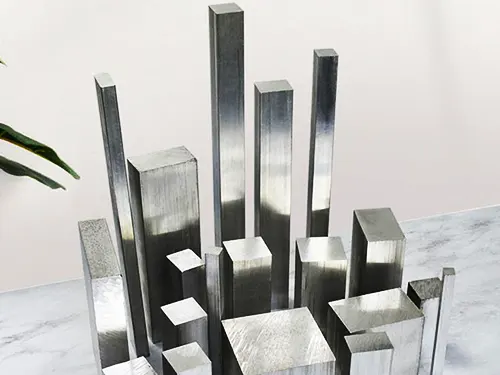
- ASTM A276. Standard Specification for Stainless Steel Bars and Shapes. ASTM International.
- Sandvik Coromant. Metal Cutting Technology – Machining Stainless Steels. Technical Application Guides.
- Kennametal. Machining Stainless Steel: Tooling and Process Optimization. Technical White Papers.
- Okuma Corporation. Stainless Steel Machining Best Practices. CNC Machining Technical Resources.
- Stainless Steel Information Center (SSINA). Stainless Steel Grades and Properties. Industry Reference Publications.