
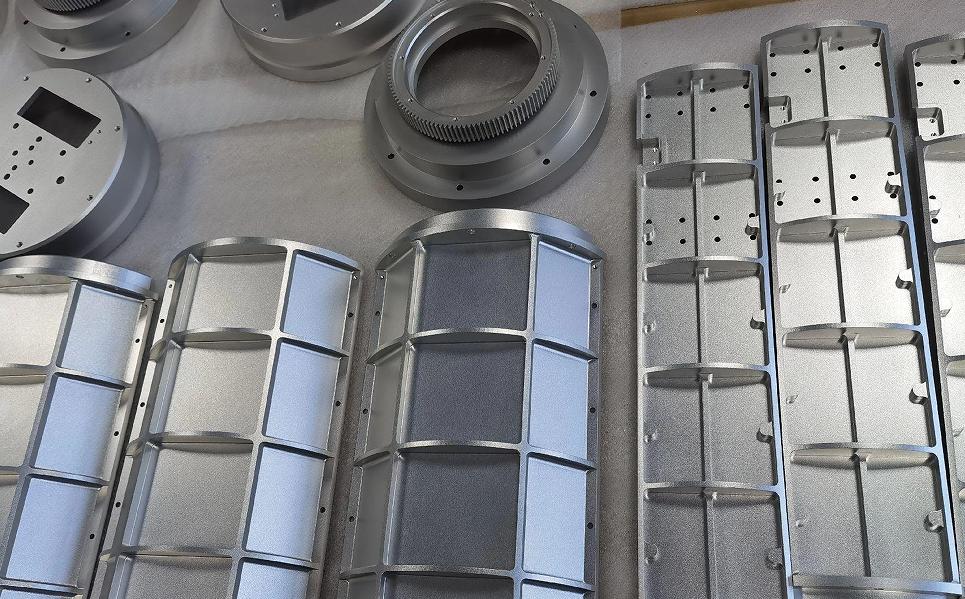
Ball-End Milling Optimization: Achieving Smooth Surface Finish in CNC Machining
The effective cutting edge range of ball-nose end mills can reach 180°, making them suitable for machining mold cavity surfaces and complex formed surfaces.
The effective cutting edge range of ball-nose end mills can reach 180°, making them suitable for machining mold cavity surfaces and complex formed surfaces.
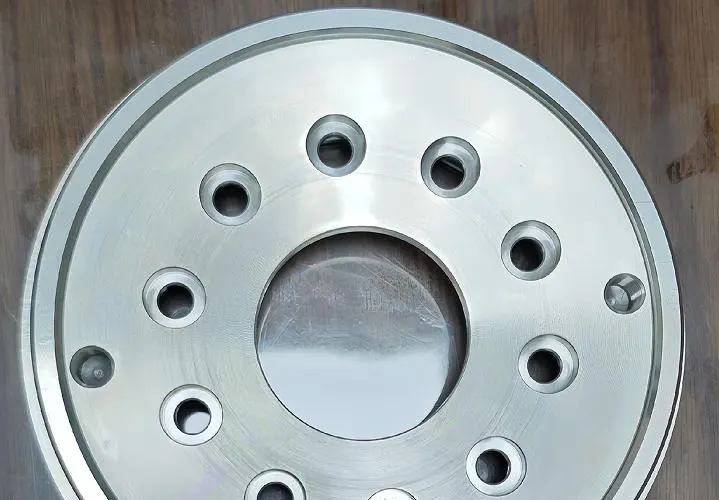
The quality of metallurgical products and machining precision are directly linked to the overall level of industrial manufacturing.
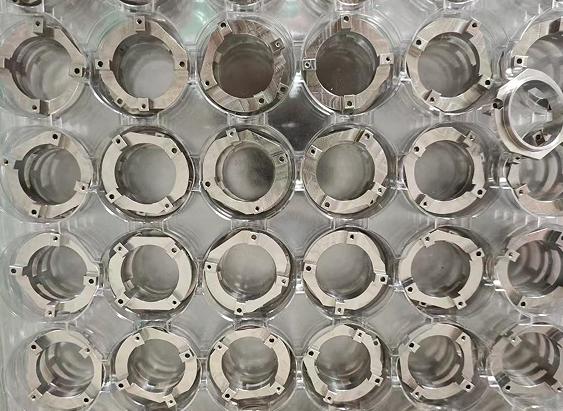
With the advancement of modern industrial technology, high-strength mechanical equipment is increasingly applied in fields such as aerospace and energy power systems.
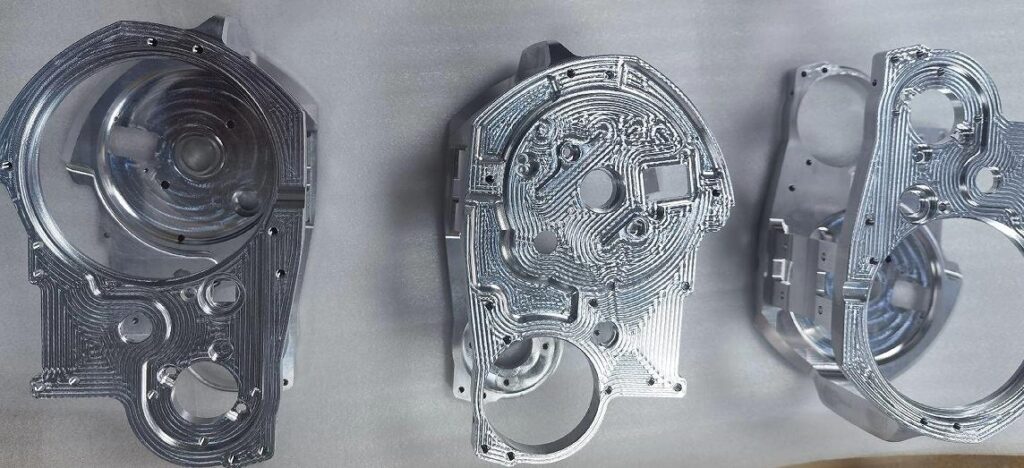
Certain components in mechanical equipment are commonly manufactured using CNC machine tools. During machining, universal fixtures are typically employed for clamping and positioning.
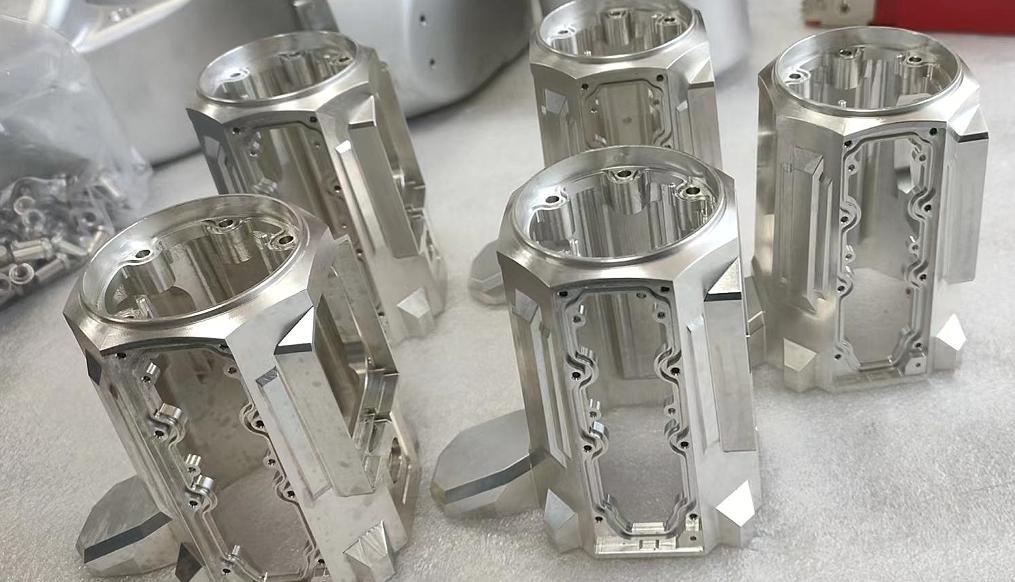
In today’s intensifying automotive market competition, manufacturers relentlessly pursue cost reduction, production efficiency gains, and enhanced product quality. Consequently, optimizing and innovating cylinder block bore machining processes has become a focal point for the industry.
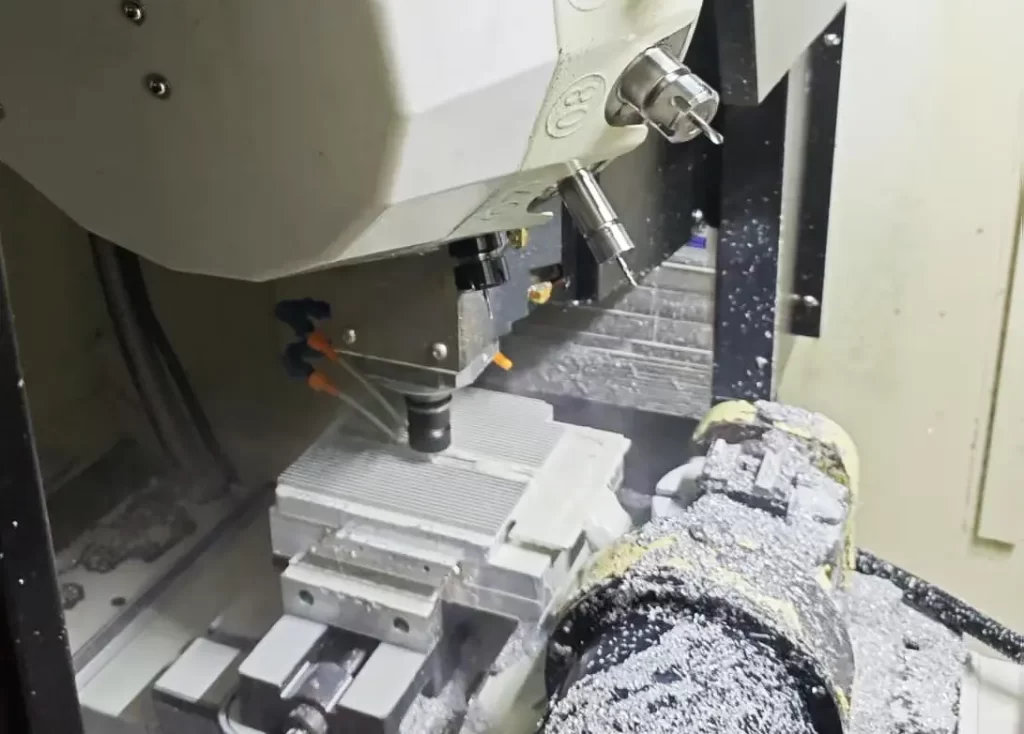
Today, consumers increasingly pursue the ultimate experience of ultra-thin products and aesthetically pleasing designs.
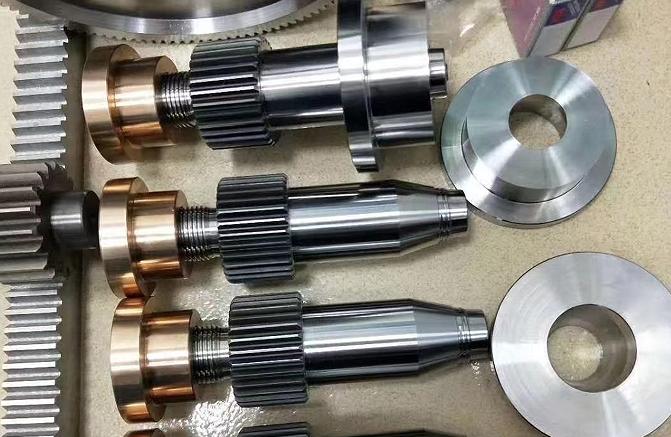
Turning-milling composite machining centers can perform integrated turning and milling operations, reducing clamping and process steps while enhancing machining efficiency.
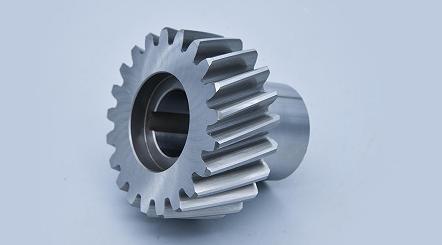
Solid carbide milling cutters are widely used in the machining of blades for the energy and aerospace sectors. These blades are typically made from difficult-to-machine materials such as stainless steel, titanium alloys, or high-temperature alloys.
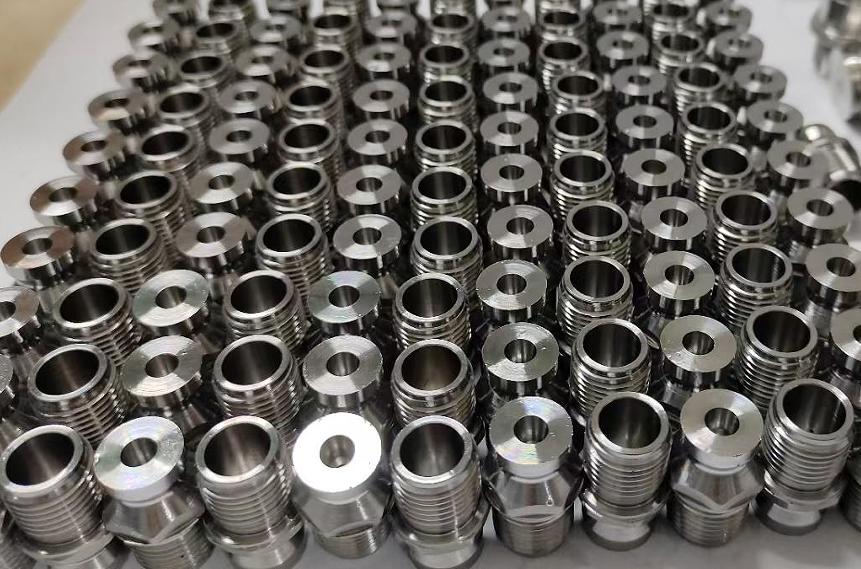
In today’s intensifying automotive market competition, manufacturers relentlessly pursue cost reduction, production efficiency gains, and enhanced product quality. Consequently, optimizing and innovating cylinder block bore machining processes has become a focal point for the industry.
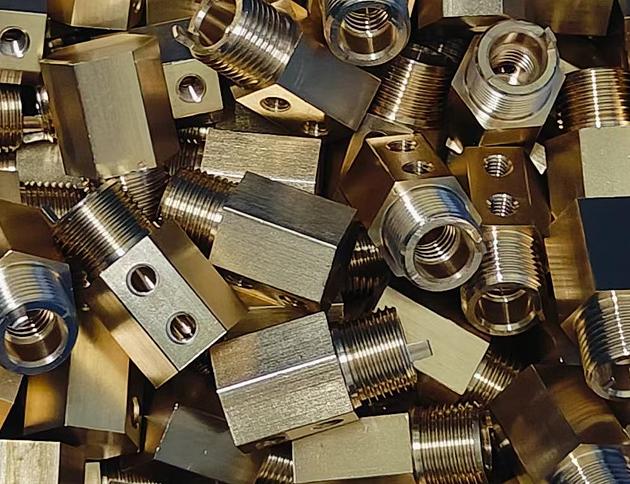
Blade-type parts are widely used in the aerospace, automotive, metallurgical, and petroleum industries. Due to the complex structure of multi-blade parts, high processing accuracy requirements,
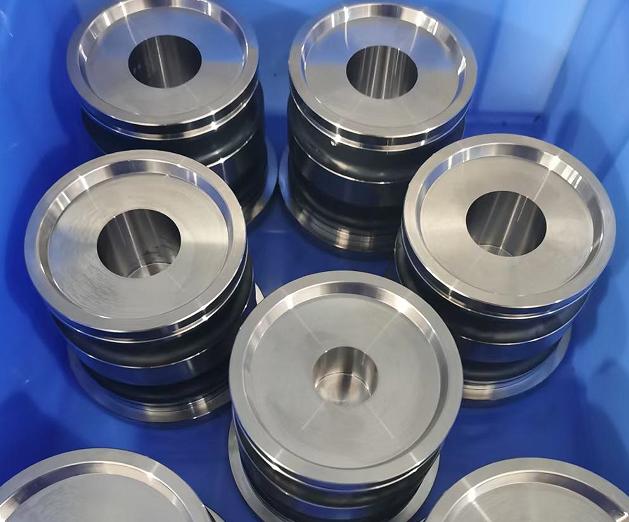
Laser cladding technology enhances the hardness, wear resistance, and corrosion resistance of various metals (such as steel, iron, copper, and aluminum) by forming a new alloy layer on the surface of the metal material through the deposition of specific alloy materials.