
Quick Answers





Can a CNC machine cut plastic without melting it?
- August 22, 2025
- Jason Chang
- 6:39 am
When it comes to manufacturing, precision and accuracy are essential. CNC (Computer Numerical Control) machines have revolutionized the way we approach machining, offering high levels of consistency and repeatability.
One common concern when working with plastics is the possibility of melting during the cutting process.
The Challenges of Cutting Plastic
Cutting plastic presents unique challenges compared to cutting metals.
Plastic is a softer material that has a lower melting point, making it more prone to melting during machining processes.
Traditional cutting methods such as milling or turning can generate heat that may cause the plastic to melt, resulting in poor surface finish and dimensional accuracy.
The Role of CNC Machines
CNC machines offer several advantages when it comes to cutting plastic.
The ability to control cutting parameters such as speed, feed rate, and depth of cut with high precision allows for more efficient and effective cutting.
By utilizing the appropriate cutting tools and techniques, it is possible to cut plastic without causing it to melt.
Choosing the Right Tooling
When cutting plastic on a CNC machine, selecting the right cutting tools is crucial.
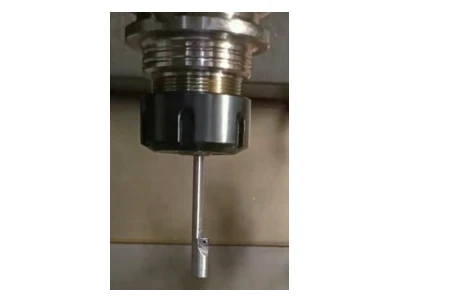
Carbide or high-speed steel (HSS) end mills are commonly used for cutting plastic due to their sharp cutting edges and durability.
It is essential to choose tools with higher rake angles and sharp cutting edges to minimize friction and heat generation during cutting.
Optimizing Cutting Parameters
Controlling cutting parameters is key to cutting plastic efficiently and preventing melting.
By adjusting the spindle speed, feed rate, and depth of cut, it is possible to minimize heat generation and ensure clean cutting edges.
Lowering the cutting speed and increasing the feed rate can help reduce the amount of heat transferred to the plastic, reducing the risk of melting.
Coolant and Chip Evacuation
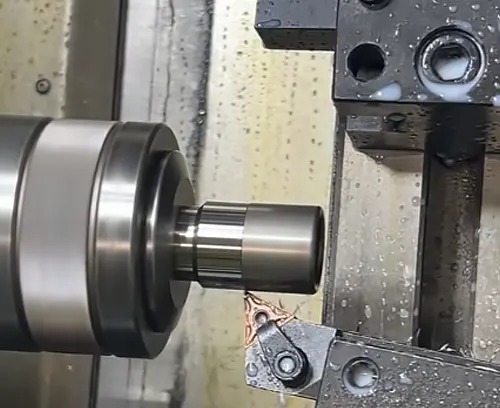
Using coolant during the cutting process can help dissipate heat and prevent the plastic from melting.
Coolant acts as a lubricant, reducing friction between the cutting tool and the workpiece.
Additionally, proper chip evacuation is essential to prevent re-cutting of chips, which can lead to heat buildup and melting of the plastic.
Ensuring efficient chip removal can help maintain low cutting temperatures and improve cutting performance.
Considerations for Specific Types of Plastic
It is essential to consider the specific properties of the plastic material being machined. Some plastics, such as acrylic or polycarbonate, are more prone to melting due to their low melting points.
In such cases, special care must be taken to optimize cutting parameters and tool selection to prevent melting.
Other plastics, such as nylon or PEEK, have higher heat resistance and may be easier to machine without melting.
Conclusion
In conclusion, CNC machines can cut plastic without melting it by utilizing the right cutting tools, optimizing cutting parameters, using coolant, and considering the specific properties of the plastic material.
With proper planning and execution, it is possible to achieve high-quality cuts in plastic with a CNC machine.
By understanding the challenges of cutting plastic and implementing the appropriate techniques, manufacturers can produce precision parts without the risk of melting.