
Quick Answers





how accurate is CNC turning?
- June 19, 2025
- Jason Chang
- 8:14 am
In the world of manufacturing, precision is key. CNC turning is one of the most common processes used to create highly accurate parts and components.
But just how accurate is CNC turning really? In this article, we will delve into the world of CNC turning and explore the levels of accuracy it can achieve.
What is CNC Turning?
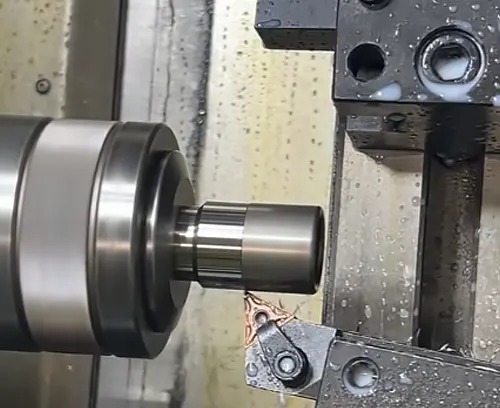
CNC turning is a subtractive manufacturing process that uses computer-controlled machines to remove material from a rotating workpiece. This process is typically used to create cylindrical parts, such as shafts, bolts, and screws.
CNC turning machines can operate in various modes, including single-point cutting and multi-point cutting, to achieve the desired shape and dimensions of the part.
The Role of Accuracy in CNC Turning
Accuracy is a critical factor in CNC turning, as even the slightest deviation from the intended dimensions can render a part unusable.
The level of accuracy that can be achieved in CNC turning depends on several factors, including the machine’s capabilities, the quality of the cutting tools, and the operator’s skill.
Factors Affecting Accuracy in CNC Turning
Several key factors can affect the accuracy of CNC turning, including:
- Machine Precision: The precision of the CNC turning machine itself plays a significant role in the accuracy of the final part. Machines with higher precision are able to achieve tighter tolerances and more accurate dimensions.
- Cutting Tools: The quality of the cutting tools used in CNC turning can have a major impact on the accuracy of the finished part. High-quality tools that are properly maintained will produce more accurate results than dull or poorly maintained tools.
- Material Properties: The properties of the material being machined can also affect the accuracy of CNC turning. Some materials are more prone to warping or distortion during the machining process, which can result in inaccuracies in the final part.
- Operator Skill: The skill and experience of the operator are crucial factors in achieving accuracy in CNC turning. An experienced operator will be able to make adjustments on the fly and troubleshoot any issues that arise during the machining process.
Levels of Accuracy in CNC Turning
The level of accuracy that can be achieved in CNC turning can vary depending on the factors mentioned above.
Generally, CNC turning machines can achieve tolerances ranging from +/- 0.005 inches to +/- 0.001 inches. However, with the right machine, tools, and operator, even tighter tolerances can be achieved.
Benefits of High Accuracy in CNC Turning
High accuracy in CNC turning offers a number of benefits, including:
- Improved Quality: Parts that are manufactured with high accuracy are more likely to meet the required specifications and perform as intended.
- Cost Savings: Accurate parts require less rework and scrap, resulting in long-term cost savings.
- Increased Efficiency: High accuracy in CNC turning can result in faster cycle times and higher throughput, leading to increased efficiency in the manufacturing process.
Conclusion
CNC turning is a highly accurate manufacturing process that produces parts with tight tolerances and precise dimensions.
By paying attention to factors such as machine precision, cutting tools, material properties, and operator skill, manufacturers can achieve the highest levels of accuracy in CNC turning.
The benefits of high accuracy in CNC turning are numerous, including improved quality, cost savings, and increased efficiency. Overall, CNC turning remains a key technology for producing precise and reliable components in a wide range of industries.