
Quick Answers





How CNC Machines are Made?
- August 14, 2025
- Jason Chang
- 3:36 am
CNC machines, or Computer Numerical Control machines, are essential in today’s manufacturing industry for their precision and efficiency.
These machines are used to automate the machining process, allowing for highly accurate and consistent results.
But have you ever wondered how CNC machines are made?
In this article, we will delve into the intricate process of manufacturing CNC machines, from design to assembly.
Designing the CNC Machine
The process of creating a CNC machine begins with designing its various components.
Engineers utilize CAD (Computer-Aided Design) software to develop precise drawings and specifications for each part of the machine.
This step is crucial in ensuring that the machine will function correctly and meet the required specifications.
Selection of Materials
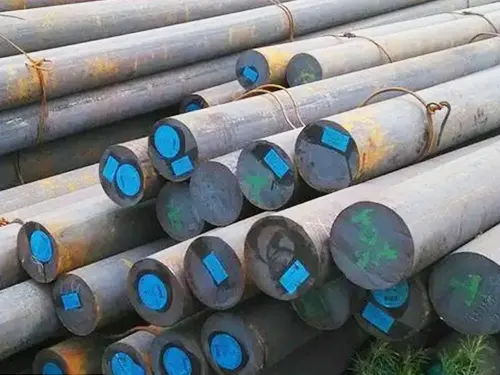
Once the design is finalized, the next step is selecting the appropriate materials for constructing the CNC machine.
Commonly used materials include steel, aluminum, and various alloys.
The selection of materials is critical in determining the strength, durability, and overall performance of the machine.
Fabrication of Components
After selecting the materials, the next step is to fabricate the individual components of the CNC machine.
This involves cutting, shaping, and machining the parts according to the design specifications.
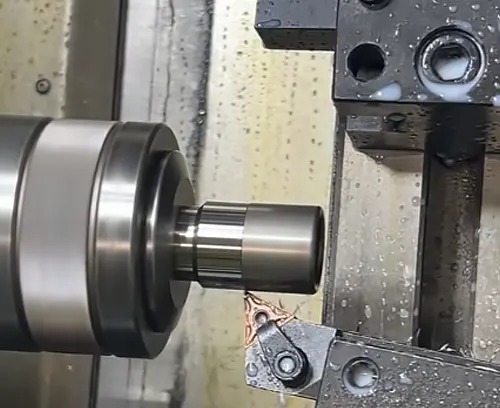
Advanced machining techniques such as milling, turning, and grinding are used to achieve the required precision and accuracy.
Assembly Process
Once all the components are fabricated, they are assembled to form the complete CNC machine.
This process involves fitting together the various parts and components, as well as installing the necessary electronics and control systems.
Precision is key during the assembly process to ensure that the machine functions properly.
Quality Control and Testing
Before a CNC machine is ready for use, it undergoes rigorous quality control and testing procedures.
This involves checking each component for accuracy and precision, as well as testing the machine’s overall performance.
Any defects or issues are addressed and rectified during this stage to ensure the machine meets the required standards.
Integration of Software
In addition to the hardware components, CNC machines also require specialized software to operate.
Engineers integrate the necessary software programs, such as CAD/CAM software, to program the machine’s movements and operations.
This software is essential in controlling the machine and executing the desired tasks accurately.
Calibration and Fine-Tuning
Once the software is integrated, the CNC machine undergoes calibration and fine-tuning to optimize its performance.
This involves adjusting various parameters, such as speed, feed rate, and cutting depth, to ensure the machine operates efficiently and accurately.
Calibration is crucial in maximizing the machine’s capabilities and achieving the desired results.
Final Inspection and Packaging
After calibration and fine-tuning, the CNC machine undergoes a final inspection to ensure it meets all quality standards.
Any remaining issues are addressed, and the machine is thoroughly cleaned and prepared for packaging.
The machine is then carefully packaged to prevent damage during transportation to its final destination.
Conclusion
In conclusion, the process of making CNC machines is highly intricate and specialized.
It involves careful planning, precision machining, and thorough testing.
From the initial design stage to the final inspection, every step is crucial in ensuring the machine’s quality and performance.
CNC machines play a vital role in modern manufacturing.
Understanding how they are made highlights the complexity and sophistication of these advanced tools.