
Quick Answers





How do you machine a slotted hole with a radius at the ends?
Slotted holes with a radius at the ends are commonly used in engineering applications where a smooth transition between the hole and the surrounding material is required. Machining such features requires careful consideration and precision to ensure the desired results.
Introduction
Machine a slotted hole with a radius at the ends allows for multiple functions such as providing alignment, allowing for adjustment, or reducing stress concentrations in a part.
The key to successfully machining a slotted hole with radiused ends lies in understanding the proper techniques and tools required for the job.
In the following sections, we will outline the steps involved in machining such a feature, along with best practices to achieve high precision and quality results.
Step 1: Design Considerations
Before starting the machining process, it is essential to carefully plan and design the slotted hole with a radius at the ends.
Consider factors such as hole size, end radius, workpiece material, and any specific application requirements. Use CAD software to accurately design the feature and ensure that all dimensions are precisely defined.
Step 2: Selecting the Right Tools
Once the design is finalized, the next step is to select the appropriate tools for machining a slotted hole with radii at the ends.
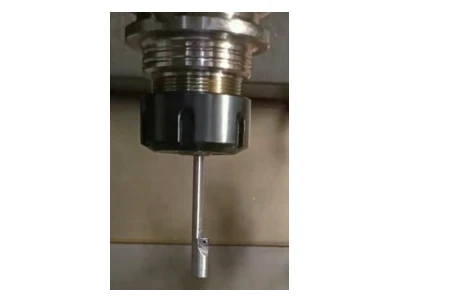
Depending on the material and size of the feature, you may need to choose between various cutting tools such as end mills, drills, or slotting cutters.
Ensure the selected tools are high quality and suitable for the job’s specific requirements.
Step 3: Setting Up the Machine
Before machining the slotted hole, it is essential to properly set up the machine. Make sure the workpiece is securely clamped and that all cutting tools are correctly installed in the machine.
Adjust the speed and feed rates according to the material being machined, and perform a test run to verify the setup before proceeding with the actual machining.
Step 4: Machining the Slotted Hole
Once the setup is complete, begin the machining process by carefully following the design specifications.
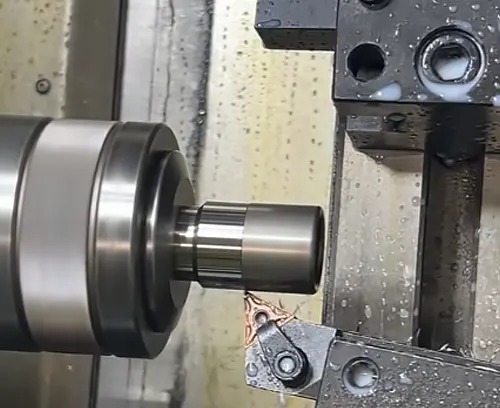
Use the selected cutting tool to create the straight sides of the slot, ensuring precise dimensions and a smooth surface finish.
Then use a radius cutter to create the curved ends of the slot, ensuring a consistent radius throughout the feature.
Step 5: Finishing and Inspection
After machining the slotted hole with radii at the ends, perform a thorough inspection to ensure all dimensions and surface finishes meet the design requirements.
Use measuring tools such as calipers or micrometers to verify the feature’s accuracy, and make any necessary adjustments if deviations are detected.
Finally, apply finishing processes, such as deburring or polishing, to achieve the desired final appearance.
Conclusion
Machining a slotted hole with a radius at the ends requires careful planning, precise execution, and attention to detail.
By following the steps outlined in this article and using the right tools and techniques, engineers with a manufacturing background can achieve high-quality results and create features that meet the specific requirements of their applications.
Remember always to prioritize safety and accuracy during the machining process, and consult experienced professionals if needed to ensure successful outcomes.