
Quick Answers




How Does a CNC Machine Operate?
Computer Numerical Control (CNC) machines have transformed the manufacturing industry. They enable high precision and efficient production of a wide range of components.
Understanding how these machines operate is crucial for engineers with a manufacturing background to optimize their use and ensure high-quality output.
Components of a CNC Machine
A CNC machine is composed of several key components that work together to execute precise machining operations.
These components include:
- CNC Controller: The brain of the machine, the controller interprets the G-code program and directs the motion of the machine.
- Drive System: Consisting of motors and drive mechanisms, the drive system moves the cutting tool along the specified paths with precision.
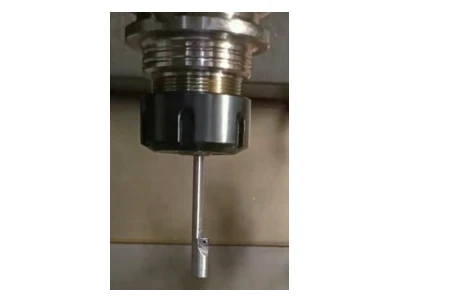
- Spindle: The spindle holds the cutting tool and rotates at high speeds to perform cutting, drilling, or milling operations.
- Tool Changer: Some CNC machines are equipped with automatic tool changers that allow for seamless transitions between different tools during machining.
- Worktable: The worktable provides a stable platform for holding the workpiece in place during machining.
CNC Machine Processes
There are several key processes involved in the operation of a CNC machine, each essential for achieving accurate and efficient machining results:
- Programming: Engineers create a G-code program using CAD/CAM software to define the toolpaths and operations required for machining the part.
- Setup: The workpiece is securely mounted on the worktable, and the cutting tool is installed in the spindle, ensuring proper alignment and calibration.
- Toolpath Generation: The CNC controller interprets the G-code program and generates the toolpath for the cutting tool to follow, taking into account factors such as tool geometry and cutting parameters.
- Cutting: The cutting tool engages with the workpiece, removing material and shaping it according to the programmed instructions, with the spindle rotating at high speeds to achieve precision cuts.
- Tool Changing: If necessary, the CNC machine automatically changes tools during the machining process, enabling the use of different tools for varied operations.
- Finishing: Once the primary machining operations are complete, finishing processes such as deburring, polishing, or coating may be carried out to enhance the final part’s surface quality.
Functions of a CNC Machine
One of the key advantages of CNC machines is their ability to perform a wide range of functions with high precision and efficiency.
Some of the essential functions of a CNC machine include:
- Milling: CNC milling machines use rotating cutting tools to remove material from a workpiece, producing complex shapes and designs with tight tolerances.
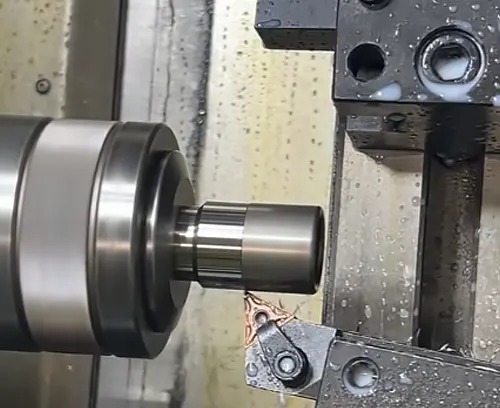
- Turning: CNC turning machines rotate a workpiece while a cutting tool removes material, typically producing cylindrical parts such as shafts, pins, and bushings.
- Drilling: CNC drilling machines create holes in a workpiece with precision and accuracy, using specialized drill bits and cutting parameters.
- Grinding: CNC grinding machines use abrasive wheels to remove material from a workpiece, achieving high surface finishes and tight dimensional tolerances.
- Wire EDM: CNC wire electrical discharge machining (EDM) machines use electrical sparks to precisely cut intricate shapes in conductive materials.
Conclusion
In conclusion, CNC machines operate through a sophisticated interplay of components, processes, and functions.
This enables precise and efficient machining operations.
Engineers with a manufacturing background must understand these intricate workings.
Doing so allows them to harness the full potential of CNC technology and optimize production processes.
By mastering the operation of CNC machines, manufacturers can achieve higher productivity.
They can also improve quality and gain greater flexibility in their manufacturing operations.