
Quick Answers






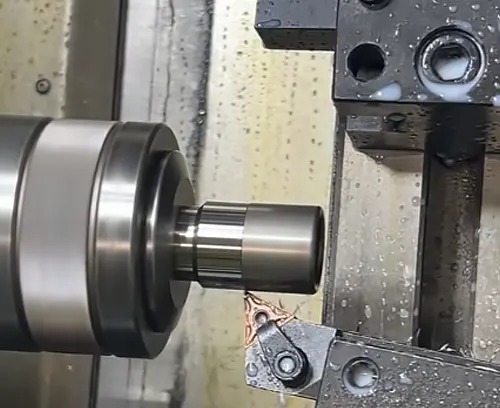

How much does CNC milling cost?
CNC milling is a highly precise and efficient manufacturing process that produces complex parts with incredible accuracy. However, one of the most common questions that engineers and manufacturers have is: how much does CNC milling cost?
We will break down the various factors that can influence the cost of CNC milling, as well as provide some guidelines on how to estimate the cost of your project.
Factors Affecting CNC Milling Costs
There are several key factors that can influence the cost of CNC milling. By understanding these factors, you can get a better idea of how much your project is likely to cost.
-
Material Costs
The type of material being used is one of the most significant factors affecting the cost of CNC milling. Some materials are more expensive than others, such as stainless steel or titanium.
Additionally, the complexity of the part design can also impact material costs, as more intricate designs may require more material to be used.
-
Machine Time
The amount of time that a CNC machine is in operation directly affects the cost of CNC milling. Machine time is typically charged by the hour, so the more time required to complete a project, the higher the cost will be.
This includes setup time, programming time, and actual machining time.
-
Tooling Costs
Tooling costs refer to the expense of the cutting tools and other tooling required to machine the part.
Different materials and designs may require specific tools, which can increase the overall cost of the project.
-
Labor Costs
Labor costs include the wages of the machine operators, programmers, and other personnel involved in the CNC milling process.
Highly skilled operators may command higher wages, which can impact the overall cost of the project.
-
Quantity
The quantity of parts being produced can also influence the cost of CNC milling. Generally, the more parts that are being produced, the lower the cost per part will be.
This is because the setup costs are spread out over a larger number of pieces.
-
Tolerances and Surface Finish
Parts with tight tolerances and high-quality surface finishes may require additional time and resources to produce, which can drive up the cost of CNC milling.
It’s important to consider the required tolerances and finish when estimating the cost of your project.
Estimating CNC Milling Costs
While many factors can influence the cost of CNC milling, some guidelines can help you estimate the cost of your project more accurately.
-
Request Multiple Quotes
Before starting a CNC milling project, it’s a good idea to request quotes from multiple CNC machining shops. This will give you a better idea of the average cost for your project and allow you to compare prices across different vendors.
-
Provide Detailed Drawings
Providing detailed drawings and specifications for your part can help reduce the chances of unexpected costs later on in the process. This will also help CNC machining shops provide more accurate quotes for your project.
-
Consider Material Selection
Selecting the right material for your part can significantly impact the cost of CNC milling. Consider the material properties, machinability, and cost when selecting a material for your project.
-
Optimize Design for CNC Machining
Designing your part with CNC milling in mind can help reduce costs and improve efficiency. Avoiding complex geometries, sharp corners, and deep cavities can help streamline the machining process and reduce overall costs.
Conclusion
While the cost of CNC milling can vary depending on a variety of factors, understanding the key cost drivers and following these guidelines can help you estimate the cost of your project more accurately.
By working closely with CNC machining shops and providing detailed specifications, you can ensure that your project is completed on time and within budget.