
Quick Answers






What is CNC Swiss turning?
- November 4, 2025
- Jason Chang
- 2:31 pm
CNC Swiss turning, also known as Swiss-style machining, is a precision machining process that is widely used in the manufacturing industry.
This technique is known for its ability to produce high-precision components with tight tolerances, making it a preferred choice for producing complex parts.
History of CNC Swiss Turning
CNC Swiss turning has its roots in traditional Swiss watchmaking, where precision and accuracy are of utmost importance.
The technique was developed in Switzerland in the late 19th century and has since evolved into a sophisticated machining process that is used in a wide range of industries.
With the advent of computer numerical control (CNC) technology, Swiss turning has become even more precise and efficient, allowing for the production of intricate and complex parts with ease.
How CNC Swiss Turning Works
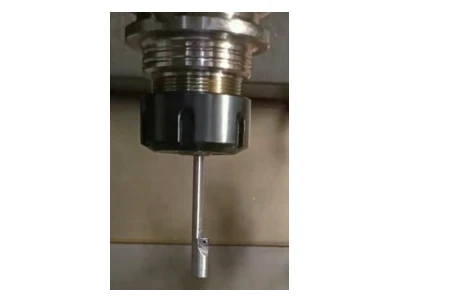
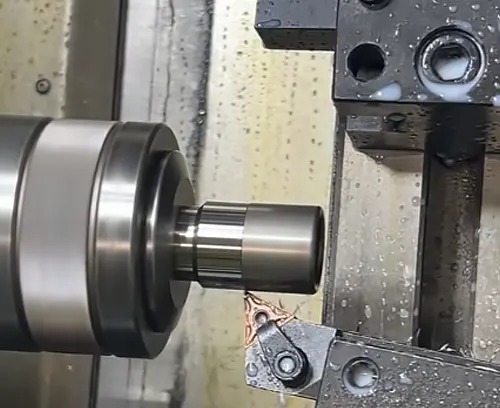
At its core, CNC Swiss turning involves the use of a lathe with a sliding headstock and a guide bushing that provides support to the workpiece.
The workpiece is fed through the guide bushing, allowing for precise and accurate machining operations.
The cutting tools are mounted on a rotary tool holder, which moves in multiple axes to create intricate shapes and features on the workpiece.
This simultaneous machining capability is what sets CNC Swiss turning apart from other machining techniques, making it ideal for producing high-precision components.
Advantages of CNC Swiss Turning
There are several advantages to using CNC Swiss turning for your machining needs. Some of the key benefits include:
- High precision: CNC Swiss turning can produce parts with tight tolerances and excellent surface finishes.
- Efficiency: The simultaneous machining capability of CNC Swiss turning reduces cycle times and improves productivity.
- Versatility: CNC Swiss turning can handle a wide range of materials, including plastics, metals, and composites.
- Complexity: CNC Swiss turning is ideal for producing complex geometries and features that would be difficult to achieve with other machining techniques.
Applications of CNC Swiss Turning
CNC Swiss turning is utilized in various industries, including aerospace, medical, automotive, and electronics.
Some common applications of CNC Swiss turning include the production of surgical instruments, aerospace components, electronic connectors, and other precision components.
The versatility and precision of CNC Swiss turning make it an ideal choice for industries that require high-quality, complex parts.
Challenges of CNC Swiss Turning
While CNC Swiss turning offers numerous advantages, it also presents several challenges to consider when employing this machining technique. Some of the key challenges include:
- Tooling complexity: CNC Swiss turning requires specialized tooling and setups, which can be costly and time-consuming.
- Programming: Programming CNC Swiss turning machines can be complex and require a skilled operator to ensure optimal performance.
- Chip control: The small size of the workpieces in CNC Swiss turning can lead to chip control issues, requiring careful monitoring and adjustment.
Future Trends in CNC Swiss Turning
As technology continues to advance, the future of CNC Swiss turning looks bright.
Innovations in CNC programming, tooling, and automation are driving efficiency and productivity in the machining industry.
Additionally, advancements in materials and coatings are expanding the capabilities of CNC Swiss turning, allowing for the production of even more complex and high-quality parts.
With these developments, CNC Swiss turning will continue to play a key role in the manufacturing industry for years to come.
Conclusion
In conclusion, CNC Swiss turning is a precision machining process that offers high precision, efficiency, versatility, and complexity.
Despite some challenges, the benefits of using CNC Swiss turning far outweigh the drawbacks, making it a preferred choice for industries that require high-quality, complex parts.
As technology continues to advance, the future of CNC Swiss turning looks promising, with innovations driving efficiency and productivity in the machining industry.
Whether you are in the aerospace, medical, automotive, or electronics industry, CNC Swiss turning is a reliable and efficient machining technique that can help you achieve your manufacturing goals.