
Quick Answers




What is slow-speed turning
- October 23, 2025
- Jason Chang
- 3:05 am
Slow-speed turning is a critical process in manufacturing that requires precision and expertise. In this article, we will explore what slow-speed turning is, its significance in the manufacturing industry, and key considerations for implementing this process successfully.
What is Slow-Speed Turning?
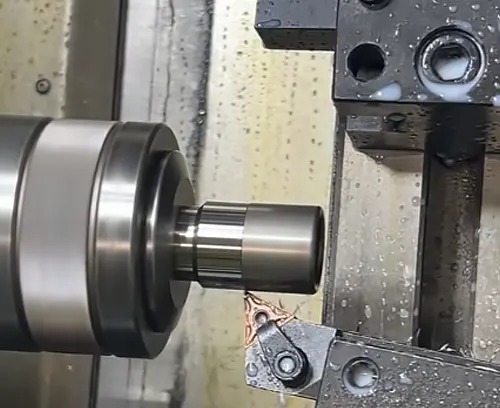
Slow-speed turning is a machining process that involves rotating a workpiece at a low speed while a cutting tool removes material from the workpiece.
This process is commonly used in the manufacturing industry to create cylindrical or conical shapes, as well as to achieve tight tolerances and surface finishes.
Unlike high-speed turning, which is typically used for fast material removal, slow-speed turning focuses on accuracy and precision.
Importance of Slow-Speed Turning
Slow-speed turning plays a crucial role in a wide range of manufacturing applications, including the production of components for aerospace, automotive, and medical industries.
This process allows manufacturers to achieve tight tolerances and high surface finishes, making it ideal for creating parts that require precision and accuracy.
One of the key advantages of slow-speed turning is its ability to reduce tool wear and prolong tool life.
By operating at a lower speed, the cutting tool experiences less stress and heat generation, resulting in extended tool longevity and lower maintenance costs.
Additionally, slow-speed turning minimizes the risk of vibrations and chatter, which can negatively impact the quality of the finished part.
Key Considerations for Slow-Speed Turning
There are several factors to consider when implementing slow-speed turning in a manufacturing environment:
1. Tool Selection:
Choosing the right cutting tool is essential for achieving optimal results in slow-speed turning. Carbide or ceramic inserts are commonly used for this process, as they offer high wear resistance and thermal stability.
2. Workpiece Material:
The material of the workpiece plays a significant role in determining the speed and feed rates for slow-speed turning. Materials such as stainless steel and titanium require lower speeds and higher feed rates to achieve the desired results.
3. Cutting Parameters:
Properly setting the cutting parameters, including speed, feed rate, and depth of cut, is crucial for successful slow-speed turning.
It is essential to experiment with various parameters to determine the optimal combination for each specific application.
4. Machine Rigidity:
The rigidity of the machine tool is essential for minimizing vibrations and ensuring precision in slow-speed turning.
A stable machine setup with adequate damping capabilities is necessary to achieve the desired surface finish and accuracy.
Benefits of Slow-Speed Turning
There are several benefits to using slow-speed turning in manufacturing:
1. Improved Surface Finish:
Slow-speed turning produces a finer surface finish compared to high-speed turning, making it suitable for applications that require high-quality surface finishes.
2. Tighter Tolerances:
Slow-speed turning allows for tighter tolerances to be achieved, resulting in parts with precise dimensions and minimal variation.
3. Extended Tool Life:
Due to lower cutting forces and reduced tool wear, slow-speed turning can help extend the life of cutting tools and reduce overall maintenance costs.
Conclusion
Slow-speed turning is a vital machining process that offers numerous benefits, including improved surface finish, tighter tolerances, and extended tool life.
By considering key factors such as tool selection, workpiece material, cutting parameters, and machine rigidity, manufacturers can successfully implement slow-speed turning in their operations and produce high-quality components with precision and accuracy.