
Quick Answers





Why are coolants used in conventional machining processes?
- June 19, 2025
- Jason Chang
- 9:26 am
Coolants play a crucial role in conventional machining processes, providing numerous benefits that contribute to the overall efficiency, quality, and longevity of machined parts.
We will explore the reasons why coolants are used in machining operations, their various types, and the key considerations for selecting the most suitable coolant for specific applications.
The Importance of Coolants in Machining
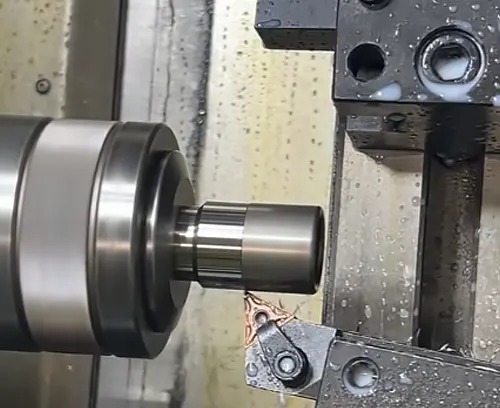
One of the primary reasons for using coolants in conventional machining processes is to dissipate heat generated during cutting operations.
As the cutting tool comes into contact with the workpiece material, friction is generated, leading to high temperatures that can detrimentally affect both the tool and the workpiece.
By using coolants, heat is effectively removed from the cutting zone, preventing tool wear, extending tool life, and improving surface finish quality.
Additionally, coolants help in chip evacuation, especially in high-speed machining operations where rapid chip formation can lead to chip recutting and tool damage.
The presence of coolant lubricates the cutting zone, reducing friction between the tool and the workpiece, which helps in achieving higher cutting speeds and feeds while maintaining tool integrity.
Moreover, coolants aid in reducing the risk of workpiece distortion and dimensional inaccuracies by controlling thermal expansion during machining.
This is particularly important when working with materials that are sensitive to temperature variations, such as aluminum or stainless steel.
Another significant benefit of using coolants is the reduction of airborne particles and mist that can be harmful to operators’ health. Coolants help in containing these particles, providing a cleaner and safer working environment for machining personnel.
Types of Coolants
There are several types of coolants commonly used in machining processes, each with its unique properties and applications. The most common types of coolants include:
| Coolant Type | Description |
|---|---|
| Water-based coolants | Comprising water mixed with additives such as lubricants, rust inhibitors, and biocides. They offer good cooling and lubrication properties. |
| Oil-based coolants | Consisting of mineral or synthetic oils that provide excellent lubrication and anti-wear properties. They are preferred for heavy-duty machining operations. |
| Synthetic coolants | Made from synthetic chemicals that offer high cooling efficiency and extended tool life. They are suitable for a wide range of materials. |
It is essential to select the right coolant type based on factors such as material compatibility, machining operation requirements, environmental considerations, and operator safety.
Considerations for Selecting Coolants
When choosing a coolant for a specific machining application, several key factors should be taken into account to ensure optimal performance and efficiency:
- Material compatibility: Ensure that the coolant is compatible with the workpiece material to prevent chemical reactions or damage.
- Machining operation: Consider the type of machining operation (e.g., turning, milling, drilling) and select a coolant that can provide adequate lubrication and cooling for the process.
- Tool material: Different tool materials may require specific coolant properties to enhance tool life and performance.
- Environmental impact: Choose coolants that are environmentally friendly and comply with regulations regarding disposal and recycling.
- Operator safety: Opt for coolants that are safe to handle and do not pose health risks to machinists.
Conclusion
Coolants are indispensable in conventional machining processes, offering various benefits such as heat dissipation, chip control, tool protection, and improved surface finish.
By selecting the right coolant type and considering key factors for coolant selection, manufacturers can enhance machining efficiency, tool life, and overall part quality.
Understanding the importance of coolants in machining is essential for achieving optimal results and ensuring the longevity of machining equipment.