
Quick Answers




Why is lead good for machining?
- June 19, 2025
- Jason Chang
- 9:29 am
Lead has been a popular choice for machining operations for centuries due to its unique properties that make it ideal for certain manufacturing processes. We will explore the reasons why lead is good for machining and how it can be advantageous in various engineering applications.
Low Friction and Self-Lubricating Properties
One of the main advantages of using lead for machining is its low friction characteristics.
Lead’s natural lubricity reduces the amount of heat generated during machining operations, resulting in smoother cuts and better surface finishes.
This self-lubricating property of lead helps to prolong the life of cutting tools and equipment, making it a cost-effective choice for manufacturers.
Excellent Machinability
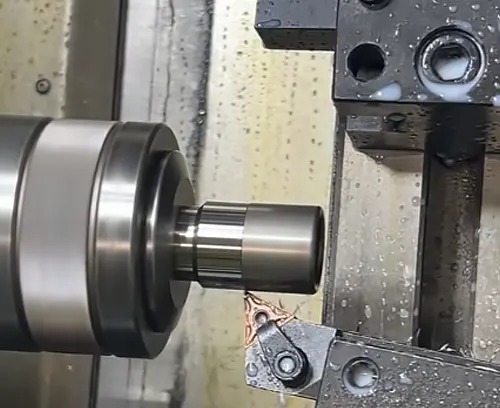
Lead is known for its excellent machinability, which means that it can be easily shaped, drilled, and turned on a lathe without causing excessive wear on cutting tools.
Its malleability and ductility make it a versatile material for creating intricate designs and precision components.
Whether you are milling, turning, or grinding, lead is a reliable option for producing high-quality machined parts.
High Density and Weight
Lead is a dense metal with a high atomic weight, making it an ideal choice for applications that require added weight or mass.
Its density allows for improved stability and vibration dampening, which is crucial in aerospace, automotive, and medical device manufacturing industries.
Engineers can achieve the desired weight distribution and balance in their products by using lead for machining.
Corrosion Resistance
Lead is highly resistant to corrosion, making it a suitable material for machining components that are exposed to harsh environments or corrosive substances.
Its ability to withstand oxidation and chemical reactions ensures that machined parts made from lead have a longer lifespan and require less maintenance.
This corrosion resistance particularly benefits marine, chemical processing, and oil and gas industries.
Compliance with Environmental Regulations
Despite its reputation for being toxic, lead can still be safely used in machining operations as long as proper precautions are taken to minimize exposure.
Lead is often recycled and reused in manufacturing processes, reducing the need for new raw materials and promoting sustainability.
Engineers can benefit from its machining properties by using lead responsibly and adhering to environmental regulations, thereby minimizing its environmental impact.
Conclusion
In conclusion, lead offers a range of advantages for machining applications, including low friction, excellent machinability, high density, corrosion resistance, and compliance with environmental regulations.
Engineers can achieve precise and reliable results in their manufacturing processes by leveraging these properties.
Whether you are producing intricate components for medical devices or heavy-duty parts for industrial machinery, lead can be a valuable material for meeting your machining needs.