

DongGuan ChengYang is proud to offer CNC machining services for Texas, providing high-quality precision machining solutions for businesses in the area. With our state-of-the-art equipment and experienced team of professionals, we are able to deliver precise and accurate parts for a wide range of industries.
Our CNC machining services are tailored to meet the specific needs of our Texas customers, whether they require custom prototypes or high-volume production runs. We understand the importance of quality and efficiency in today's competitive marketplace, which is why we strive to provide fast turnaround times and top-notch customer service.
Whether you are in the automotive, aerospace, or medical industry, DongGuan ChengYang is your go-to partner for reliable CNC machining services in Texas. Contact us today to learn more about how we can help you with your machining needs.
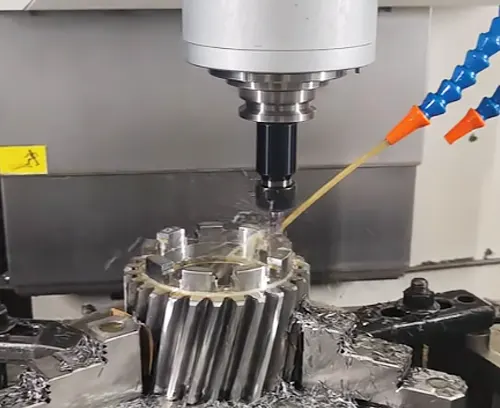
CNC Milling
Machining with precision using CNC equipment, meeting customer needs with efficient, high-quality part production.
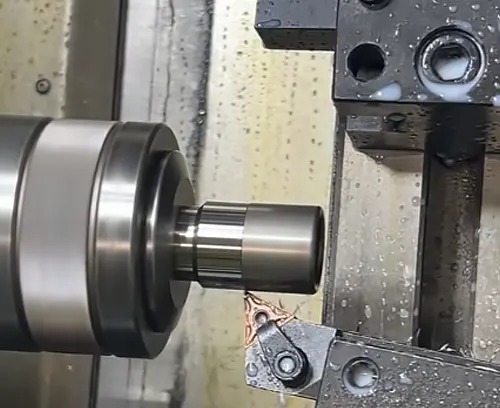
CNC Turnning
Our CNC lathes, turning centers, and mill-turn equipment enable us withefficiency to fabricate a broad range of components for every end user.
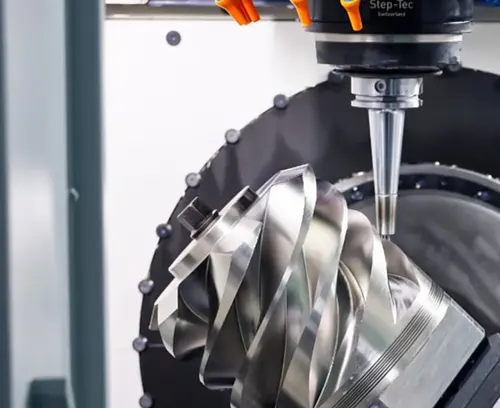
5 Axis CNC Milling
Offer 5-axis machining solutions for detailed and highly accurate pieces. Featuring speed processing, it's perfect for elaborate designs.
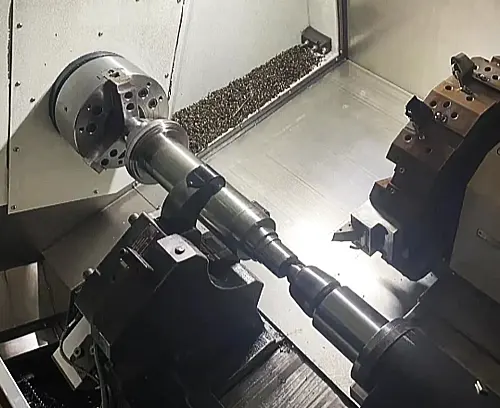
Precision Machining
Provide expert machining solutions by streamlining diverse operations to improve workflow, consistency, and reduce turnaround time, guaranteeing reliable, high-quality output.

Sharp Corner

Undercut

Undercut

Thick Walls

Tolerance Guide

Small Hole

Narrow Area
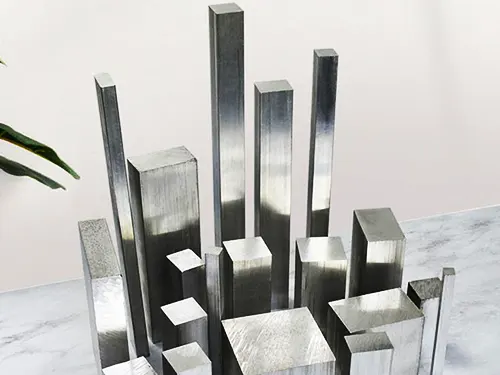
Aluminum
Aluminum is a widely used material in CNC machining due to its excellent machinability, lightweight properties, and corrosion resistance. It is commonly used in the aerospace, automotive, and electronics industries for the production of various components and parts. Some common types of aluminum materials used for CNC machining include 6061-T6, 7075-T6, and 2024-T4. These alloys offer different levels of strength, hardness, and thermal conductivity, making them suitable for a wide range of applications. 6061-T6 is a versatile alloy with good formability and weldability, while 7075-T6 is known for its high strength and toughness. 2024-T4 offers high fatigue resistance and excellent machinability, making it ideal for precision machining processes.
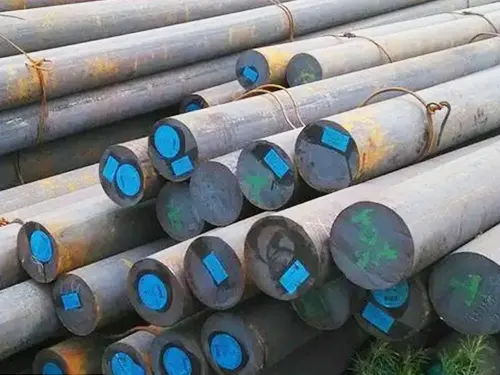
Carbon Steel
Carbon steel is a popular material used in CNC machining due to its high strength, hardness, and durability. It is composed primarily of iron, with a small percentage of carbon (usually less than 2%). This composition gives it excellent mechanical properties, making it suitable for a wide range of applications. Some common types of carbon steel used in CNC machining include low carbon steel (such as ASTM A36), medium carbon steel (such as ASTM A572), and high carbon steel (such as AISI 1095). These materials differ in their carbon content and properties, allowing for versatility in machining various components with specific requirements. Overall, carbon steel is a reliable choice for CNC machining projects requiring strength and precision.
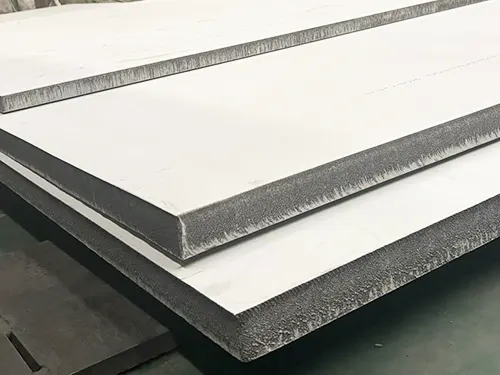
Stainless Steel
Stainless steel is a popular material used in CNC machining due to its durability, resistance to corrosion, and aesthetic appeal. It is a versatile metal alloy consisting mainly of iron, with added elements such as nickel, chromium, and carbon to enhance its properties. Some common types of stainless steel used in CNC machining include 304 stainless steel, which is widely used for its good formability and corrosion resistance, 316 stainless steel, known for its increased corrosion resistance and strength, and 17-4 stainless steel, valued for its high strength and impact resistance. These materials are widely used in various industries such as aerospace, automotive, and medical, for manufacturing high-quality and precise components.
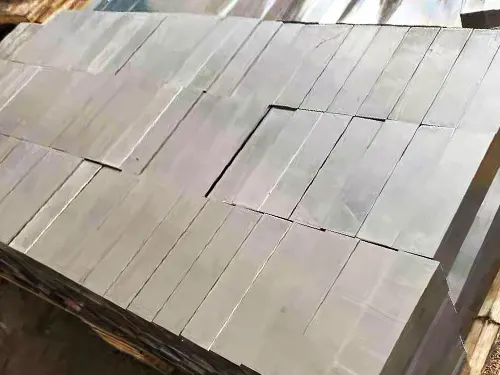
Tool Steel
Tool steel is a type of carbon and alloy steel that is specifically designed for use in the production of tools and dies for crafting machinery parts in CNC machining. This material is known for its high hardness, wear resistance, toughness, and ability to retain sharp edges. Some common types of tool steel used in CNC machining include D2 steel, A2 steel, M2 steel, O1 steel, and S7 steel. Each type of tool steel has its own unique composition and properties, making them suitable for different applications in CNC machining. When choosing a tool steel for CNC machining, it is important to consider factors such as the material being machined, the desired tool lifespan, and the required surface finish of the machined part.
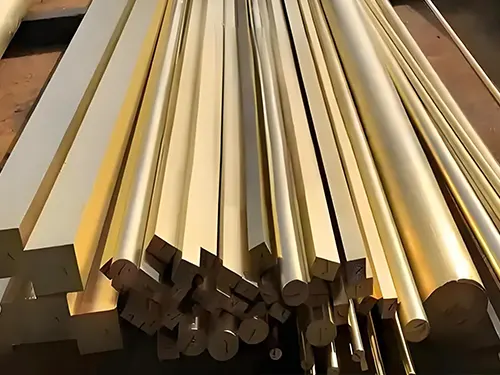
Brass
Brass is a popular material used in CNC machining due to its excellent machinability, corrosion resistance, and attractive appearance. It is composed primarily of copper and zinc, with small amounts of other elements such as lead or tin. Common types of brass used in CNC machining include C36000 (Free Cutting Brass), C46400 (Naval Brass), and C26000 (Cartridge Brass). Free Cutting Brass is used for intricate parts requiring high-speed machining, Naval Brass is ideal for marine applications due to its resistance to corrosion in seawater, and Cartridge Brass is commonly used for ammunition casings. Overall, brass is a versatile material that offers a combination of strength, durability, and a visually appealing finish for various CNC machining applications.
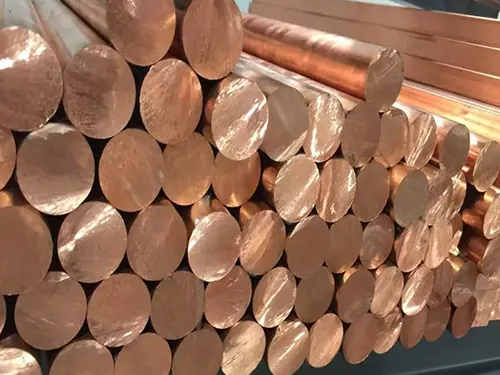
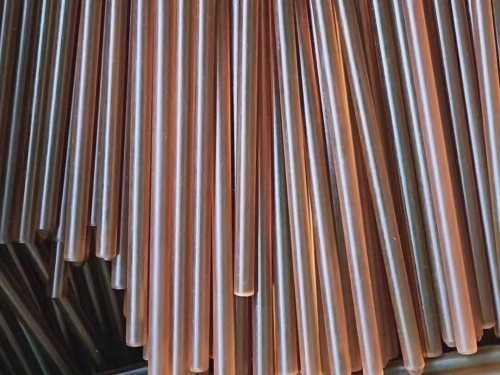
Copper
A cooper for CNC machining refers to a cutting tool used primarily for milling operations in metalworking. This tool is designed to remove material from a workpiece to create a desired shape or surface finish. Common types of materials used for coopers in CNC machining include high-speed steel, carbide, and cobalt. High-speed steel coopers are durable and can maintain their sharpness even at high temperatures, making them ideal for cutting tough materials like stainless steel. Carbide coopers are known for their superior hardness and resistance to wear, making them suitable for machining abrasive materials such as cast iron and titanium. Cobalt coopers are a cost-effective option that offers good performance in cutting materials like aluminum and non-ferrous metals.
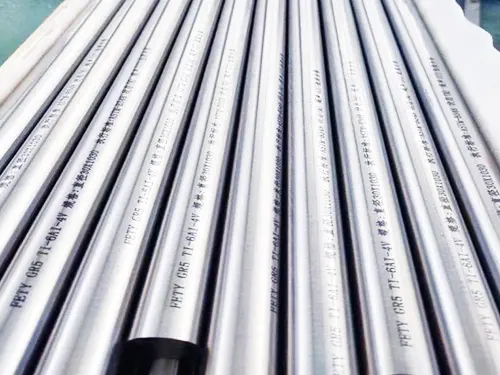
Titanium
Titanium is a strong and lightweight metal commonly used in CNC machining due to its excellent corrosion resistance and high strength-to-weight ratio. This makes it an ideal choice for a wide range of aerospace, medical, and automotive applications where precision and durability are crucial. Some common types of materials used in CNC machining alongside titanium include aluminum, stainless steel, brass, copper, and various plastics like acrylic and ABS. Each material offers unique properties that suit different requirements, making it essential to select the right material for the specific project at hand. Overall, titanium remains a popular choice for CNC machining thanks to its exceptional strength, durability, and versatility across various industries.
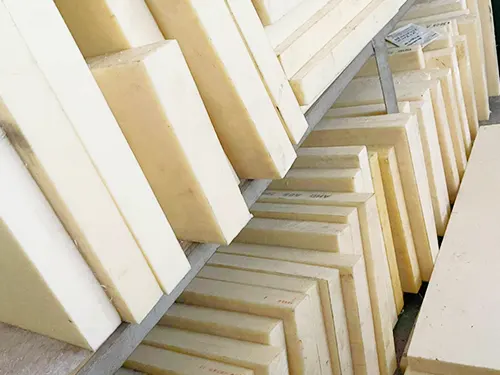
ABS
ABS, short for Acrylonitrile Butadiene Styrene, is a commonly used thermoplastic polymer in CNC machining. It is known for its excellent strength, durability, and impact resistance, making it ideal for prototyping and producing functional parts. One of the main advantages of using ABS in CNC machining is its ease of post-processing, such as sanding, gluing, and painting. Additionally, ABS has good heat resistance, allowing it to withstand higher temperatures compared to other plastics. However, ABS is prone to warping during the machining process, leading to potential dimensional inaccuracies in the final product. Furthermore, ABS can release toxic fumes when heated, making it important to use proper ventilation when machining this material.
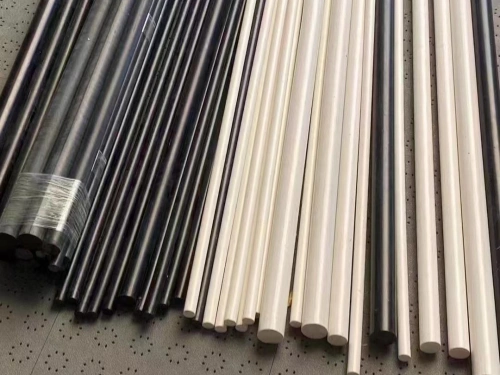
PMMA
PMMA, or polymethyl methacrylate, is a transparent thermoplastic often used in CNC machining for its versatility. One of the main advantages of using PMMA for CNC machining is its excellent optical properties, making it ideal for applications such as signage, lenses, and displays. Additionally, PMMA is lightweight, easy to process, and has good weather resistance. However, PMMA is prone to scratching and may yellow over time when exposed to UV light. This material also has a lower heat resistance compared to other thermoplastics, which can limit its use in high-temperature applications. Overall, PMMA for CNC machining offers a balance of optical quality and ease of processing, but it is important to consider its limitations before selecting it for a project.
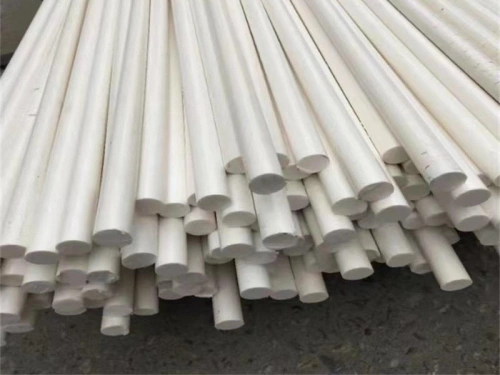
PE
PE, or Program Event, is a key feature in CNC machining that allows operators to insert specific actions or commands into the machining process. This tool helps streamline production by automating certain tasks and increasing efficiency. One advantage of using PE in CNC machining is the ability to reduce manual labor, saving time and money in the long run. Additionally, PE can improve overall accuracy and consistency in the machining process, leading to higher quality finished products. However, one disadvantage of using PE is that it requires skilled operators who are knowledgeable in programming languages and machine operations. Furthermore, any errors in the programming of PE can result in costly mistakes and production delays.
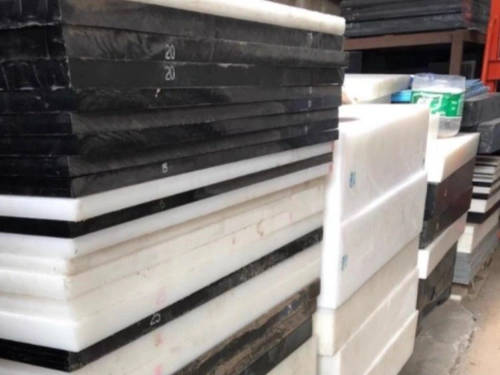
Nylon
Nylon is a popular choice for CNC machining due to its versatility and durability. It is a synthetic polymer that can be easily machined to create complex parts with tight tolerances. One of the main advantages of using nylon for CNC machining is its excellent mechanical properties, including high strength and impact resistance. Additionally, nylon is known for its chemical resistance and low friction coefficient, making it ideal for parts that require good wear resistance. However, nylon does have certain disadvantages, such as its tendency to absorb moisture, which can lead to dimensional instability and impact its mechanical properties. Furthermore, nylon can be difficult to bond with other materials, which may limit its applications in certain industries.
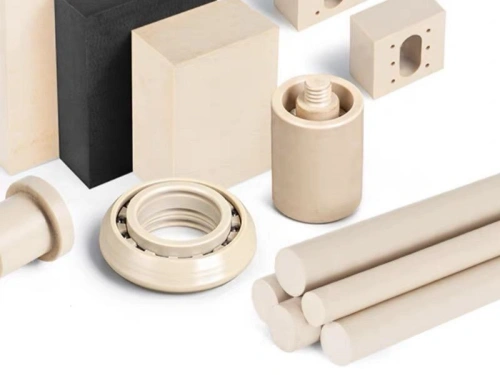
PEEK
PEEK, which stands for Polyetheretherketone, is a high-performance thermoplastic material commonly used in CNC machining due to its excellent mechanical properties and chemical resistance. Its advantages include high temperature resistance, low moisture absorption, and exceptional strength and stiffness. PEEK also has good wear and abrasion resistance, making it ideal for applications where durability is crucial. However, PEEK can be challenging to machine due to its high melting point and tendency to stick to cutting tools, leading to slower processing times and increased tool wear. Additionally, PEEK is a relatively expensive material compared to other thermoplastics, which can impact the overall cost of CNC machining projects. Despite these drawbacks, the superior performance of PEEK makes it a popular choice for applications where quality and reliability are essential.
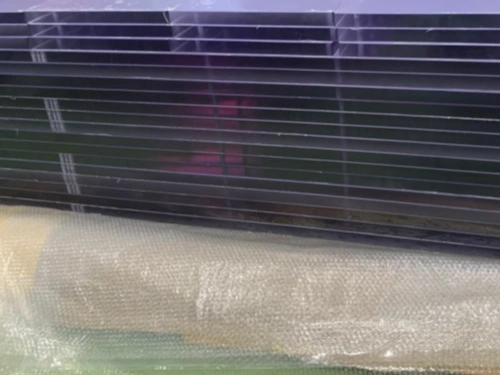
PC
PC for CNC machining stands for “Personal Computer for Computer Numerical Control machining,” which is a computer system used to control the intricate movements and operations of CNC machines. The main advantage of using a PC for CNC machining is its ability to handle complex design files and programming codes with ease, resulting in more precise and efficient machining processes. Additionally, PCs provide a user-friendly interface for operators to input, monitor, and adjust various parameters during the production process. On the other hand, the disadvantage of relying on a PC for CNC machining is the potential risk of system crashes or malfunctions, which can result in costly downtime and delays in production. It is crucial for operators to have backup systems and contingency plans in place to mitigate these risks.
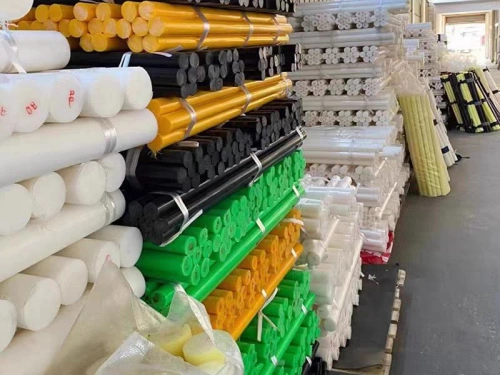
PP
PP (Polypropylene) is a commonly used material in CNC machining due to its versatility and cost-effectiveness. The main advantage of using PP for CNC machining is its excellent chemical resistance, making it ideal for applications in industries such as automotive, aerospace, and medical. PP is also lightweight, durable, and easy to machine, allowing for intricate designs and precise tolerances. However, one disadvantage of PP is its lower strength compared to other materials like aluminum or steel, which may limit its use in high-stress applications. Additionally, PP has a relatively low temperature resistance, so it is unsuitable for applications requiring high heat resistance. Overall, PP is a popular choice for CNC machining for its affordability, versatility, and ease of use.
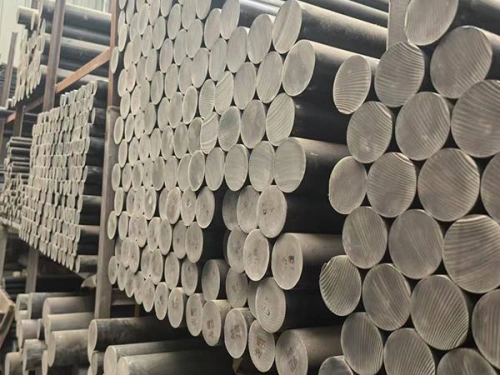
PET
PET, which stands for Polyethylene Terephthalate, is a commonly used material in CNC machining due to its excellent mechanical properties and chemical resistance. Its advantages include high strength, stiffness, and dimensional stability, making it ideal for producing high-quality parts with intricate details. PET is also lightweight and has good impact resistance, making it suitable for a wide range of applications, including automotive, aerospace, and medical industries. However, one disadvantage of PET for CNC machining is its tendency to warp under high temperatures, which can lead to dimensional inaccuracies in the final product. Additionally, PET can be more challenging to machine compared to other plastics, requiring special tooling and cutting parameters to achieve optimum results.
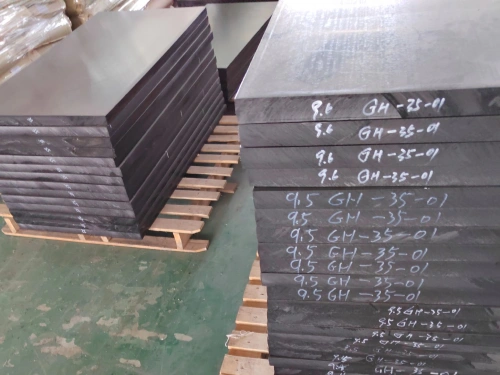
POM
POM, or Productive Object Model, is a method used in CNC machining to aid in the programming of complex parts. It provides a virtual representation of the part being machined, allowing for easier visualization and manipulation of tool paths. One advantage of using POM is the increased efficiency it brings to the programming process, as it simplifies the creation and editing of tool paths. Additionally, POM helps reduce errors by providing a clear visual representation of the part and its machining operations. However, a disadvantage of POM is that it may require additional software and training to implement effectively, which can increase costs and complexity. Overall, POM is a valuable tool for enhancing productivity and accuracy in CNC machining processes.
PVC
PVC, or Polyvinyl Chloride, is a common material used in CNC machining due to its versatility and affordability. Its advantages include ease of machining, good chemical resistance, and high impact strength. PVC is an excellent choice for prototyping and production runs where tight tolerances and smooth finishes are required. However, PVC does have its disadvantages. It is prone to warping under high heat, has a low heat deflection temperature, and can emit toxic fumes when machined at high speeds. Additionally, PVC is not as durable as some other materials commonly used in CNC machining, so it may not be suitable for applications where extreme durability is necessary. Despite its drawbacks, PVC remains a popular choice for CNC machining due to its ease of use and cost-effectiveness.

 24°C
24°C
- Temperature
- Precipitation
- Rain Chance
- Wind
- Humidity
- Pressure

