
We are DongGuan ChengYang, a leading provider of CNC machining services for Texas. Our company specializes in providing high-quality precision machining solutions for a wide range of industries, including automotive, aerospace, and electronics. With state-of-the-art facilities and a team of experienced engineers and technicians, we are able to handle complex machining projects with precision and efficiency.
Our CNC machining services for Texas are tailored to meet the unique needs of each customer. Whether you require prototype development, low-volume production, or high-volume manufacturing, we have the capabilities to deliver exceptional results. From design to production, we work closely with our clients to ensure that every project meets their exact specifications and quality standards.
At DongGuan ChengYang, we are committed to providing exceptional CNC machining services for Texas that exceed our customers' expectations. With our dedication to quality, precision, and customer satisfaction, we are proud to be the preferred machining partner for businesses across Texas. Contact us today to learn more about how we can help with your machining needs.
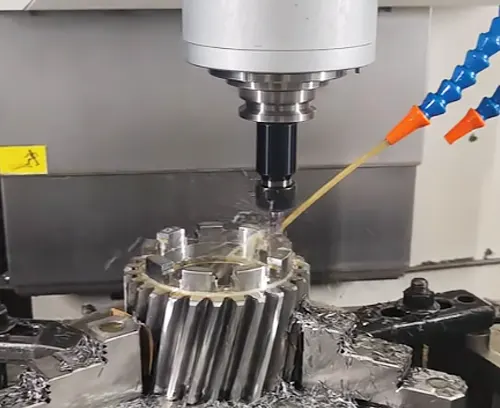
CNC Milling
CY operate advanced CNC milling machines, merging expert craftsmanship with fast turnaround times.
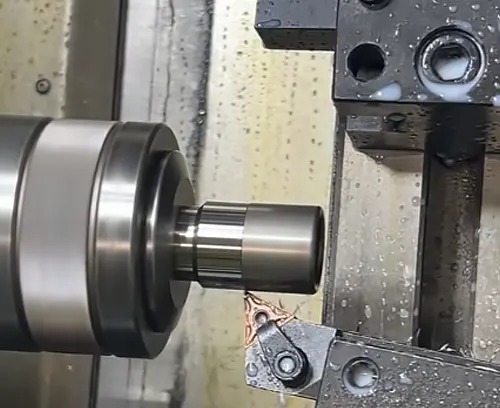
CNC Turnning
CY's CNC lathes, turning centers, and mill-turn equipment enable us withefficiency to produce a broad range of components for every buyer.
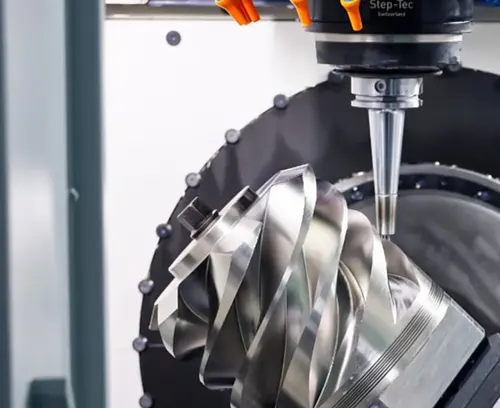
5 Axis CNC Milling
Equip with 5-axis machining solutions for intricate and precision-engineered components. Featuring faster production, it's perfect for elaborate designs.
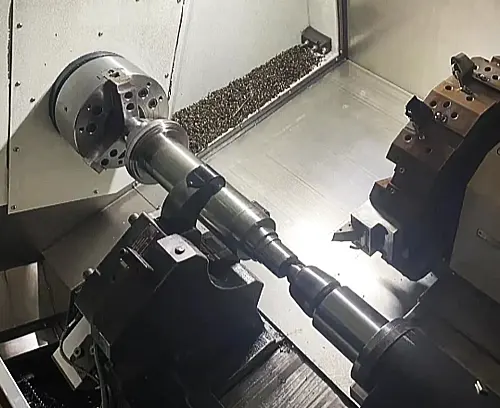
Precision Machining
Provide expert machining solutions by aligning different manufacturing stages to boost performance, exactness, and shorten lead times, delivering consistent and superior results.

Sharp Corner

Undercut

Undercut

Thick Walls

Tolerance Guide

Small Hole

Narrow Area
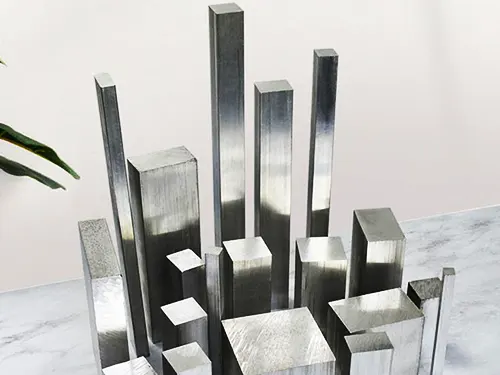
Aluminum
It is a widely used material in CNC machining due to its excellent machinability, high strength-to-weight ratio, and corrosion resistance.
It is commonly used in the aerospace, automotive, and electronics industries. Some common types of aluminum materials used in CNC machining include 6061-T6, known for its excellent weldability and formability; 7075-T6, which offers high strength and toughness; and 5052-H32, prized for its corrosion resistance and workability.
These materials provide a wide range of options for engineers and designers looking to create high-quality parts with precise tolerances. When choosing the right aluminum material for CNC machining, it is essential to consider the specific requirements of the project to ensure optimal performance and durability.
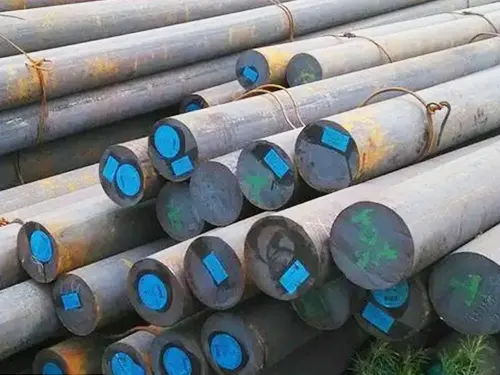
Carbon Steel
It is a popular material used in CNC machining due to its high strength and durability. It is composed of iron and carbon, with carbon being the primary alloying element.
This type of steel is known for its excellent machinability, making it ideal for various machining processes. Some common types of carbon steel used in CNC machining include low carbon steel, medium carbon steel, and high carbon steel. Low carbon steel is the most widely used type, known for its easy weldability and formability.
Medium carbon steel offers higher strength and hardness, while high carbon steel is the strongest and hardest of the three, but can be more challenging to work with due to its increased brittleness.
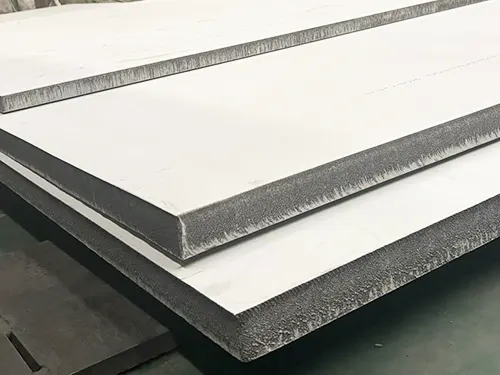
Stainless Steel
It is a popular material used in CNC machining due to its excellent corrosion resistance, high strength, and durability. It is known for its shiny appearance and ability to maintain its properties at high temperatures, making it ideal for a wide range of applications in industries such as automotive, aerospace, and medical.
Common types of stainless steel materials used in CNC machining include 304 stainless steel, which is versatile and widely used for a variety of applications, and 316 stainless steel, known for its superior corrosion resistance and strength.
Other common types include 303 stainless steel, 17-4 PH stainless steel, and 440 stainless steel, each offering unique properties for specific machining needs.
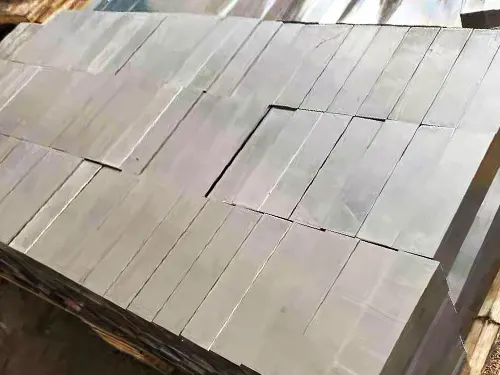
Tool Steel
It is a type of carbon and alloy steel that is specifically designed for use in the production of tools and dies. It is known for its exceptional hardness, toughness, and wear resistance, making it ideal for demanding applications such as CNC machining.
Some common types of tool steel used in CNC machining include A2, D2, M2, and H13. A2 tool steel is known for its versatility and ability to hold a sharp cutting edge, while D2 tool steel offers excellent wear resistance.
M2 tool steel is recognized for its superior heat resistance and cutting performance, and H13 tool steel is valued for its toughness and ability to withstand high temperatures. These materials are popular choices for CNC machining due to their high performance and durability.
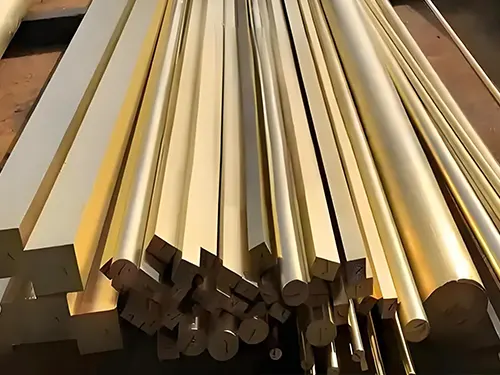
Brass
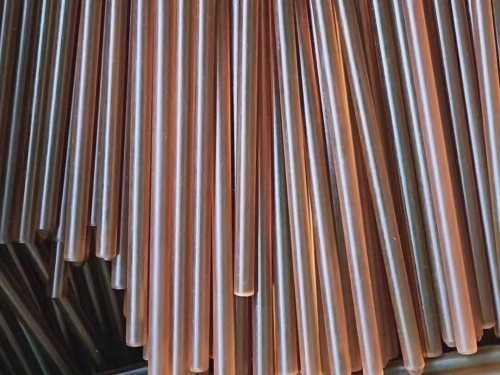
It is a popular material used in CNC machining due to its excellent machinability, corrosion resistance, and aesthetic appeal. It is an alloy of copper and zinc, typically containing around 60-70% copper and 30-40% zinc.
Common types of brass materials used in CNC machining include C36000 Free Cutting Brass, C46400 Naval Brass, and C26000 Cartridge Brass. Each type of brass has specific properties that make it suitable for different applications, such as high strength, good electrical conductivity, or increased corrosion resistance.
Brass is commonly used in the manufacturing of intricate parts, decorative pieces, and components for industries such as automotive, aerospace, and electronics.
Its versatility and workability make it a highly sought-after material for CNC machining projects.
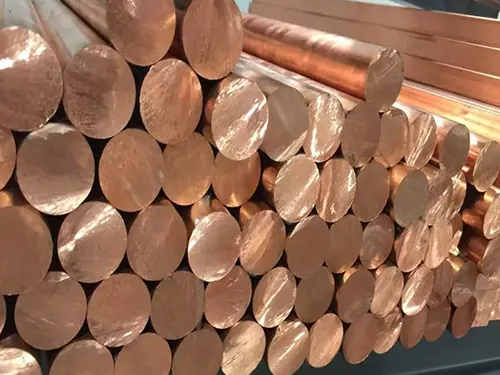
Copper
It is a highly versatile metal known for its outstanding electrical and thermal conductivity, making it essential in electrical wiring, power systems, and heat exchangers.
Its natural corrosion resistance and excellent workability allow it to be easily shaped, welded, or machined into complex parts without compromising strength.
Copper is commonly used in industries such as construction, electronics, plumbing, and renewable energy. Additionally, its antimicrobial properties make it ideal for medical and food-grade applications.
With 100% recyclability and long service life, copper is both a reliable and environmentally friendly material for a wide range of engineering and industrial uses.
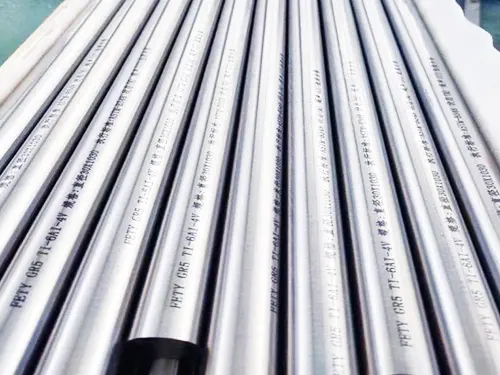
Titanium
It is a popular material used in CNC machining due to its excellent strength-to-weight ratio, corrosion resistance, and biocompatibility.
It is commonly used in industries such as aerospace, medical, and automotive, where high-performance components are required. Some common types of materials used in CNC machining include aluminum, stainless steel, brass, copper, and plastics like ABS and acrylic.
Each material has its own unique properties that make it suitable for different applications.
When selecting a material for CNC machining, factors such as strength, durability, heat resistance, and machinability should be considered to ensure the finished product meets the desired specifications.
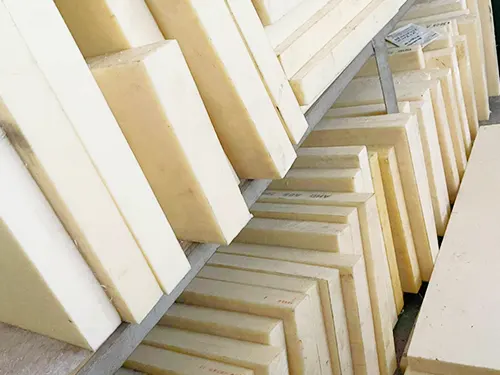
ABS
Acrylonitrile Butadiene Styrene, is a common thermoplastic material used in CNC machining. One of the main advantages of ABS is its excellent impact resistance, making it a popular choice for functional prototypes and end-use parts. ABS is also known for its good strength-to-weight ratio, flexibility, and resistance to high temperatures.
However, one disadvantage of ABS is its tendency to warp during the cooling process, which can result in dimensional inaccuracies in the final product.
Additionally, ABS is more prone to chemical and environmental degradation compared to other materials, limiting its use in certain applications.
Despite its drawbacks, ABS remains a versatile and cost-effective material for CNC machining processes.
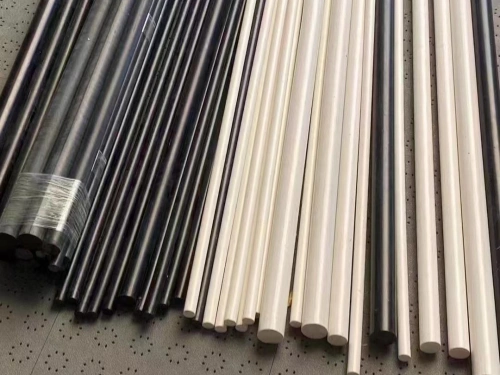
PMMA
It also known as Polymethyl methacrylate, is a popular material used in CNC machining due to its excellent transparency, high impact strength, and weather resistance. Its advantage lies in its ability to be easily machined with CNC equipment, allowing for intricate designs and fine details to be achieved. PMMA also offers a smooth surface finish, making it ideal for applications requiring optical clarity. However, one of the main disadvantages of PMMA is its tendency to scratch easily, which can affect the overall aesthetic of the final product. Additionally, PMMA can be prone to warping if not properly controlled during the machining process. Despite its drawbacks, PMMA remains a versatile material for CNC machining, especially in industries requiring precision and transparency in their products.
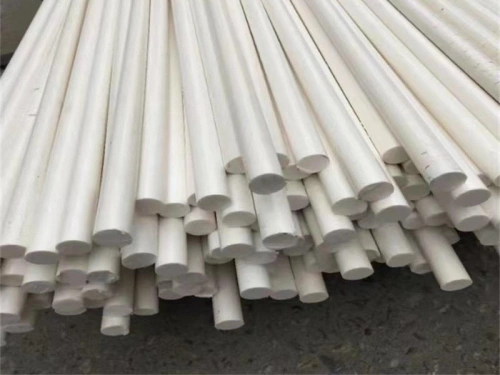
PE
It is a widely used thermoplastic known for its excellent chemical resistance, toughness, and low moisture absorption.
It is ideal for CNC machining applications that require lightweight and durable parts, especially in the chemical, food processing, and packaging industries.
Available in various grades such as HDPE and UHMW-PE, polyethylene offers good impact resistance, low friction, and excellent wear properties.
It machines easily, allowing for the production of components like liners, seals, tanks, and guides with smooth finishes and precise dimensions. PE’s versatility and reliability make it a popular choice for both industrial and commercial applications.
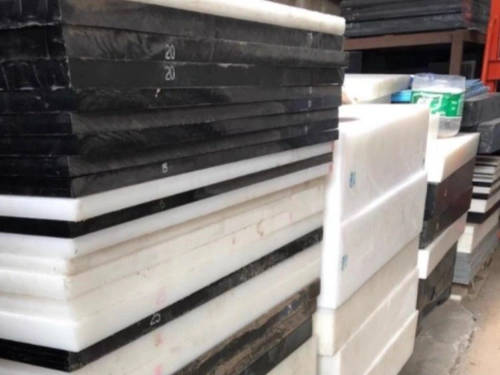
Nylon
It is a widely used material in CNC machining due to its versatility and durability. It is a synthetic polymer that is lightweight, strong, and resistant to wear and tear, making it ideal for a variety of applications.
One of the main advantages of using Nylon for CNC machining is its cost-effectiveness, as it is relatively inexpensive compared to other materials. Additionally, Nylon is easy to machine, allowing for complex shapes and intricate designs to be produced with precision.
However, Nylon does have some disadvantages, such as its tendency to absorb moisture, which can affect its dimensional stability. It is also prone to warping, especially in high-temperature environments.
Despite these drawbacks, Nylon remains a popular choice for CNC machining due to its overall performance and versatility.
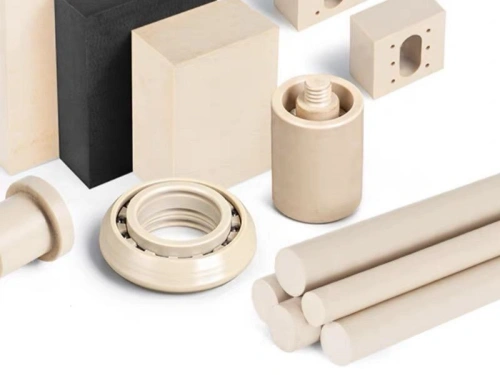
PEEK
It stands for polyetheretherketone, is a high-performance thermoplastic material commonly used in CNC machining. Its main advantage is its exceptional mechanical strength, stiffness, and chemical resistance, making it ideal for applications in industries such as aerospace, medical, and automotive.
PEEK is also known for its excellent thermal stability and ability to withstand high temperatures without deforming. However, one of the drawbacks of PEEK for CNC machining is its high cost compared to other thermoplastics.
Additionally, PEEK is notoriously difficult to machine due to its high melting point and tendency to form chips during the machining process.
Despite these challenges, the benefits of using PEEK in CNC machining often outweigh the disadvantages for industries requiring high-performance materials.
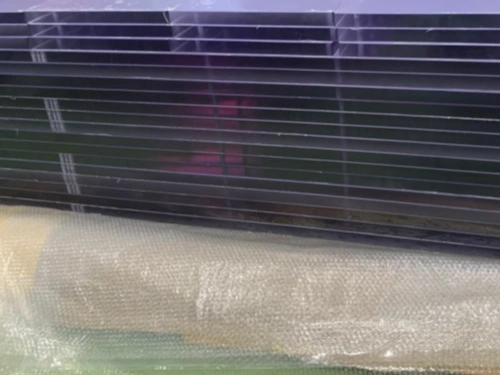
PC
Polycarbonate is a tough, transparent thermoplastic widely used in CNC machining for parts that demand high impact strength and optical clarity.
It offers excellent dimensional stability, heat resistance, and durability, making it suitable for applications in the electronics, automotive, and aerospace industries.
Polycarbonate is often chosen for protective covers, enclosures, lenses, and structural components due to its ability to maintain strength under stress.
Although it requires careful machining due to its tendency to melt under high speeds, PC can still deliver precise tolerances and smooth surface finishes when proper techniques are applied.
Its strength, clarity, and versatility make it a valuable material for demanding engineering applications.
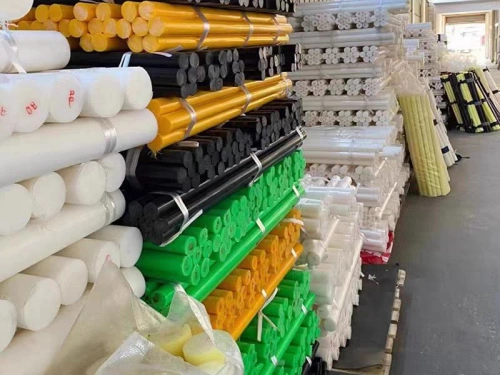
PP
Polypropylene is a common material used in CNC machining due to its excellent chemical resistance, high heat resistance, and good mechanical properties. Its advantages include being lightweight, durable, and resistant to moisture, making it ideal for a wide range of applications in various industries.
However, PP can be prone to warping and shrinking during the machining process, which can result in inaccuracies in the final product.
Additionally, although PP is cost-effective and easy to machine, it can have limitations in terms of surface finish and dimensional accuracy compared to other materials.
Overall, PP offers many benefits for CNC machining, but careful consideration should be given to its potential disadvantages to ensure quality and precision in the finished parts.
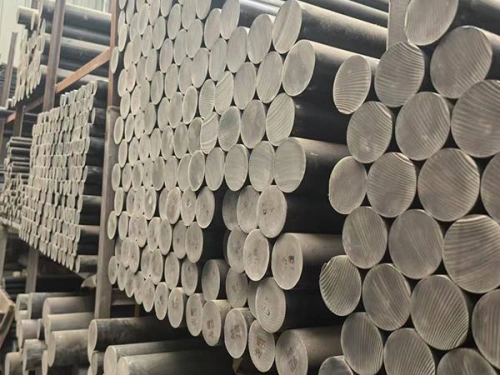
PET
It stands for Polyethylene Terephthalate, is a common material used in CNC machining due to its excellent mechanical properties and chemical resistance.
Its advantages include high strength, rigidity, and dimensional stability, making it ideal for producing complex parts with tight tolerances. PET is also easy to machine, resulting in faster production times and lower costs.
However, PET does have its disadvantages as well. It can be prone to heat distortion, limiting its usability in high-temperature applications.
Additionally, it can be challenging to bond and finish, requiring specialized techniques for optimal results. Despite these drawbacks, PET remains a popular choice for CNC machining due to its overall performance and versatility in various industries.
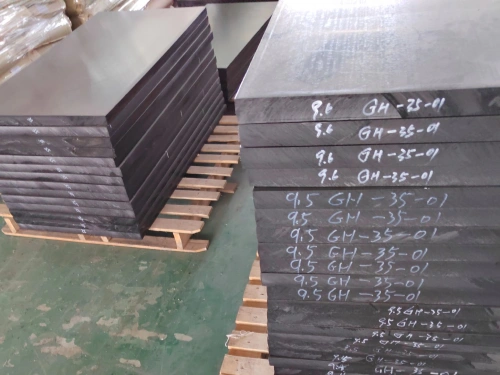
POM
Polyoxymethylene also known as acetal or Delrin, is a strong, rigid engineering plastic ideal for CNC machining. It features excellent mechanical strength, low friction, and high wear resistance, making it perfect for precision parts that require dimensional stability and durability.
POM is commonly used in automotive, consumer electronics, and industrial applications for components like gears, bearings, bushings, and housings.
Its low moisture absorption and good chemical resistance ensure consistent performance in various environments.
With its excellent machinability and ability to hold tight tolerances, POM is a preferred material for high-precision, long-lasting plastic parts.
PVC
Polyvinyl Chloride, for CNC machining is a versatile material known for its excellent machinability and cost-effectiveness.
It is widely used in various industries for applications such as signage, prototypes, and fixtures. One of the main advantages of PVC for CNC machining is its ease of cutting, drilling, and shaping, making it ideal for intricate designs. Additionally, PVC is lightweight and has good chemical resistance, making it suitable for outdoor applications.
However, PVC does have some disadvantages, such as limited temperature resistance and poor UV stability, which can lead to deterioration over time when exposed to harsh environmental conditions.
Despite these limitations, PVC remains a popular choice for CNC machining due to its affordability and versatility.

 15°C
15°C
- Temperature
- Precipitation
- Rain Chance
- Wind
- Humidity
- Pressure