Introduction to Machinability
Machinability is a fundamental property in manufacturing engineering, reflecting the ease with which a material can be machined to meet dimensional tolerances, surface finish specifications, and production efficiency targets. A material with good machinability allows for faster cutting speeds, reduced tool wear, lower energy consumption, and consistent quality—all while maintaining cost-effective operations.
Ideal Characteristics
Materials with high machinability typically exhibit:
Low power and force requirements
High cutting speeds with minimal heat buildup
Predictable and manageable chip formation
Excellent surface finish with minimal secondary processing
Longer tool life and fewer tool changes
Engineering Trade-Offs
However, the properties that make a material ideal for its service function—such as high strength, wear resistance, or corrosion protection—often reduce machinability. As a result, engineers must balance material selection with manufacturing feasibility, particularly in high-volume or precision-critical applications.
Scope and Importance
Machinability applies to a wide array of materials, including metals, polymers, composites, and ceramics. It has direct implications for:
Tool life and maintenance schedules
Cycle times and throughput
Energy consumption and sustainability
Overall part quality and dimensional consistency
Total manufacturing cost and ROI
Factors Influencing Machinability
Understanding machinability requires a comprehensive view of material behavior, process settings, and equipment performance.
Work Material Condition
Microstructure: Fine-grained materials generally produce smoother finishes and consistent chips. Inclusions like sulfides can aid machinability but may affect structural performance.
Heat Treatment History: Annealed materials are softer and easier to machine. Hardened materials may require specialized tooling and slower feeds.
Chemical Composition: Elements like sulfur, lead, and bismuth can enhance machinability, while nickel, chromium, and molybdenum typically reduce it due to increased strength and toughness.
Mechanical Properties: Harder and stronger materials often require more energy to machine and lead to quicker tool degradation.
Physical and Mechanical Properties
Modulus of Elasticity: Materials with low modulus tend to deflect during cutting, affecting tolerances.
Thermal Conductivity: Poor conductivity (e.g., in titanium alloys) causes heat to concentrate at the cutting edge, increasing tool wear.
Work Hardening: Materials like austenitic stainless steels harden during cutting, complicating successive passes.
Surface Conditions: Residual stresses or surface irregularities from previous processing steps can influence chip formation and tool engagement.
Machining Process and Equipment Factors
Cutting Parameters: Improper speed, feed, or depth of cut can lead to excessive heat, chatter, or poor surface finish.
Tool Material and Geometry: Tool coatings and geometries tailored to the material can greatly enhance machinability.
Machine Rigidity and Condition: A stable platform minimizes deflection and vibration, especially critical in hard or brittle materials.
Cooling and Lubrication: Proper application of cutting fluids improves chip evacuation and reduces thermal wear.
Chip Control: Effective chip formation and evacuation are vital for automated processes and surface integrity.
Machinability of Common Materials
Steels
Free-Machining Steels: Grades such as AISI 12L14 or B1112 contain sulfur, lead, or phosphorous to promote easy chip formation. These are ideal for high-speed turning and automatic operations.
Carbon Steels: Optimal machinability is often found around 0.20% carbon content. Lower carbon grades are softer but prone to smearing; higher carbon steels are harder but induce tool wear.
Alloy Steels: Elements like chromium, nickel, and molybdenum improve mechanical properties but reduce machinability. Specialized tools or coatings are often required.
Stainless Steels: Notoriously difficult due to toughness and work hardening. Grades like 303 and 416 are specially formulated for better machinability using sulfur or phosphorus additives.
Aluminum Alloys
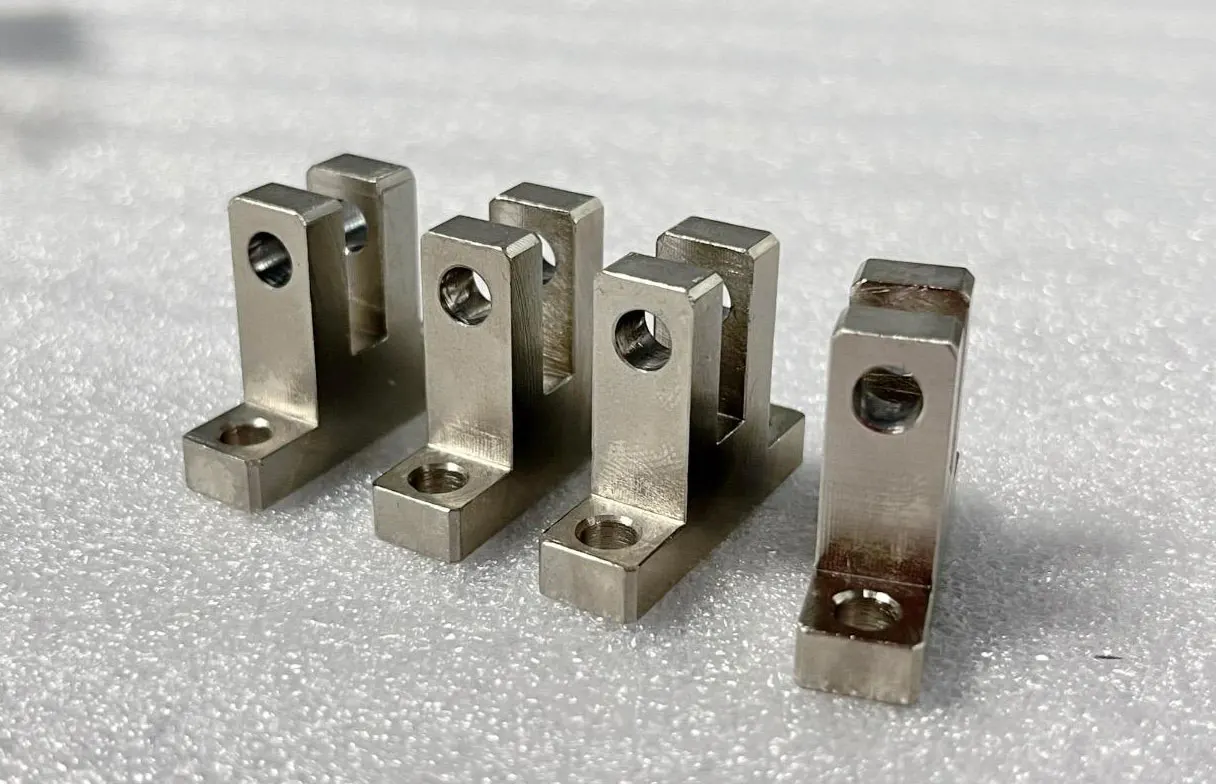
General Machinability: Aluminum is widely recognized for its excellent machinability, particularly in soft wrought grades.
High-Machinability Grades: 2007, 2011, and 6020 series alloys are designed for superior chip control and minimal tool wear.
Alloy Influence: Adding silicon or copper can improve strength but may reduce machinability if not managed properly.

Other Metals and Materials
Brass and copper offer a favorable blend of machinability and strength.
Thermoplastics require careful management of heat and chip control due to low thermal conductivity.
Composites present significant challenges from abrasive fibers and resin matrix degradation.
Elastomers and soft rubbers often require cryogenic cooling to avoid deformation and maintain dimensional accuracy.
Methods for Quantifying Machinability
Tool Life Method
This common approach compares tool longevity when cutting different materials. The Machinability Index quantifies machinability relative to a standard (e.g., B1112 steel), by expressing it as a percentage based on tool life, cutting speed, or material removal rate. A higher index indicates easier machining and longer tool life, while a lower index suggests more difficult machining and faster tool wear.
While intuitive, it is sensitive to tool type, machine setup, and operator skill.
Cutting Forces and Power Consumption
This method evaluates the specific energy required to remove material. Higher energy demands indicate lower machinability. It is more reproducible across setups compared to tool life tests.
Surface Finish Quality
Surface roughness is measured post-machining. While crucial in finishing operations, it may not reflect machinability under roughing conditions.
Standardized Ratings
Materials are often ranked against benchmarks:
B1112 Steel — 100%
C36000 Free-cutting Brass — 100%
6061-T6 Aluminum — ~90–95%
Ti-6Al-4V Titanium — ~17–25%
These benchmarks are helpful for initial material selection but must be interpreted with process context.
Machinability Rankings by Material Type
In practice, machinability varies significantly across material families. A typical ranking—from easiest to most difficult to machine—is:
Magnesium Alloys
Aluminum Alloys
Copper Alloys
Grey Cast Iron
Carbon Steels
Low Alloy Steels
Stainless Steels
Hardened / High-Alloy Steels
Nickel-Based Superalloys
Titanium Alloys
This ranking reflects a composite of machinability factors, including:
Chip Form and Control: Continuous vs. segmented chips
Tool Wear Rates: Impact of hardness, abrasiveness, and chemical reactivity
Cutting Forces: Affected by material strength and deformation behavior
Thermal Effects: Heat conductivity, expansion, and diffusion into the tool
These variables must be carefully weighed when planning production of components from materials with known machining challenges.
Improving Machinability
While material machinability is inherently linked to composition and structure, both materials and processes can be optimized to enhance machining performance.
Material Modifications
Additives: Elements like lead, sulfur, bismuth, or tin improve chip breakage and lubricity. These are commonly used in free-machining steels and brasses.
Heat Treatments: Annealing reduces hardness and refines microstructure, improving tool life and cutting speed. Conversely, quenching and tempering may improve chip formation at the cost of harder machining.
Process and Tooling Adjustments
Tool Selection: Choose tools with optimized rake angles, coatings (e.g., TiAlN, CVD), and chip breaker features tailored to the material.
Cutting Parameters: Balancing speed, feed, and depth of cut can drastically affect tool wear, chip evacuation, and surface finish.
Machine Tool Stability: Rigidity in spindles, holders, and fixtures helps mitigate vibration and deflection, critical in hard or ductile materials.
Lubrication and Cooling: High-pressure coolant, MQL (Minimum Quantity Lubrication), or cryogenic cooling improve heat dissipation and chip evacuation, especially in superalloys and thermoplastics.
Advanced Machining Techniques
Non-Conventional Methods: Electrical Discharge Machining (EDM), ultrasonic machining, and laser-assisted cutting are effective for brittle or ultra-hard materials where traditional tools fail.
Advanced Tooling: Use of PCD, CBN, or ceramic inserts enables successful machining of high-performance materials, especially at elevated temperatures.
Machinability of Advanced and Specialty Materials
MAX Phase Compounds and Hardmetals
Tool Requirements: Due to their hardness and thermal stability, MAX phase materials (e.g., Ti₃SiC₂) and cemented carbides often require carbide or high-speed steel tooling.
EDM Suitability: Their inherent electrical conductivity allows for EDM-based processes, particularly for intricate geometries or tight tolerances.
Chip Formation: Generally favorable, with segmented chips that facilitate heat dissipation and minimize built-up edge.
Duplex and Austenitic Stainless Steels
Machining Challenges: These grades exhibit severe work hardening, strong toughness, and low thermal conductivity, contributing to rapid tool wear and dimensional inaccuracy.
Machinability Improvements:
Use of sulfur-enhanced grades (e.g., 303, 416)
Sharp, rigid tooling geometries
Aggressive but stable feeds to avoid work hardening zones
Advanced coatings and chip breakers tailored to tough materials
Manufacturing and Economic Considerations
Machinability vs. Manufacturability
Machinability pertains to material removal efficiency, surface finish, and tool performance.
Manufacturability encompasses the entire production context, including joining, forming, tolerancing, and finishing.
Poor machinability may be acceptable in low-volume or high-value components but becomes a major bottleneck in high-throughput environments.
Economic and Environmental Impact
Cost Drivers: Tool replacement, cycle time, and scrap rates are directly tied to machinability.
Sustainability: Efficient machining reduces energy consumption, coolant waste, and material usage, contributing to cleaner production.
Adopting sustainable practices like dry machining, high-efficiency tooling, and smart process control aligns machinability improvements with environmental objectives.
Lightweight Design Principles
The use of high strength-to-weight ratio materials, such as titanium alloys or aluminum-lithium composites, is expanding in aerospace, automotive, and defense industries.
Though these materials pose machinability challenges, their benefits include:
Fuel efficiency through weight reduction
Improved dynamic response
Lower life-cycle emissions
Process innovations, like laser-assisted machining or cryogenic cooling, are key to managing their complex machining behavior.
Summary and Practical Applications
Machinability is a multifaceted and dynamic property, influenced by a synergy of material composition, mechanical and thermal behavior, tooling technology, and process control.
Key Takeaways:
Informed Material Selection: Engineers must assess machinability in the context of design goals, production volume, and economic constraints.
Tailored Machining Strategy: Cutting parameters, tool geometries, and machine capabilities should be matched to the material’s characteristics.
Use of Ratings and Benchmarks: Standardized machinability indexes (e.g., B1112 as 100%) provide a starting point but must be contextualized to real-world conditions.
Advanced Solutions for Difficult Materials: Continued progress in tool materials, coatings, and machining techniques now enables cost-effective processing of alloys once deemed “unmachinable.”
Understanding machinability is not merely a theoretical exercise—it’s a core competency that underpins efficiency, quality, and innovation in modern manufacturing.