

Quick Answers





What Types of Materials Can Be Processed Using CNC Machines?
- July 28, 2025
- Jason Chang
- 3:56 am
Computer Numerical Control (CNC) machines have revolutionized the manufacturing industry by providing precise and automated control over a wide range of materials.
With the ability to create complex shapes and intricate designs with high accuracy, CNC machines are used in various industries such as aerospace, automotive, medical, and more.
Metal Materials
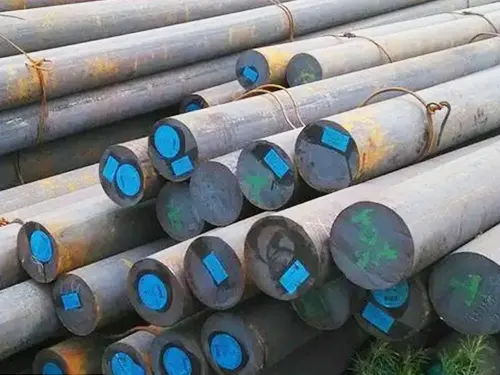
One of the most common materials processed using CNC machines is metal.
Metals such as aluminum, steel, copper, titanium, and brass are frequently used in manufacturing due to their strength, durability, and thermal conductivity.
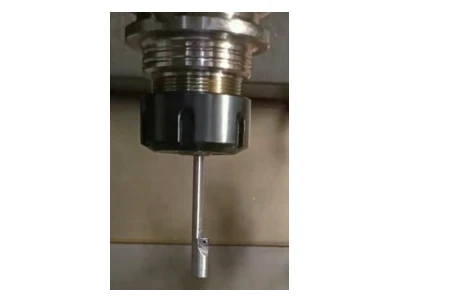
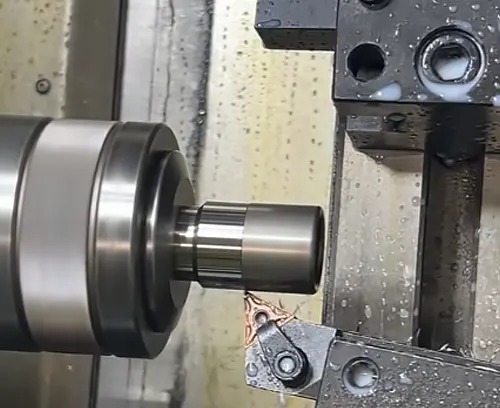
CNC machines can easily mill, drill, cut, and shape metal parts to precise specifications, making them ideal for producing components for various industries.
Plastic Materials
Plastics are another popular material processed using CNC machines.
Materials such as acrylic, polycarbonate, ABS, and nylon are commonly used in manufacturing.
This is due to their versatility, lightweight nature, and cost-effectiveness.
CNC machines can mill, carve, and engrave plastic parts with intricate details and smooth finishes.
This capability makes them suitable for prototyping and producing plastic components.
Wood Materials
Wood is a traditional material that has found a place in modern manufacturing with the help of CNC machines.
Materials such as plywood, MDF, pine, oak, and maple are commonly used in the furniture, cabinetry, and woodworking industries.
CNC machines can accurately cut, route, and carve wood parts with intricate designs and patterns, making them ideal for creating custom furniture and decor pieces.
Composite Materials
Composite materials, which are a combination of two or more materials with different properties, are also processed using CNC machines.
Materials such as carbon fiber, fiberglass, and Kevlar are commonly used in aerospace, automotive, and marine industries due to their high strength-to-weight ratio and durability.
CNC machines can cut, trim, and shape composite parts with precision and repeatability, making them ideal for producing lightweight and high-performance components.
Ceramic Materials
Ceramic materials, known for their hardness, heat resistance, and electrical insulation properties, are also processed using CNC machines.
Materials such as alumina, zirconia, and silicon carbide are commonly used in the electronics, automotive, and medical industries.
CNC machines can grind, shape, and drill ceramic parts with high precision and tight tolerances, making them ideal for manufacturing components that require exceptional hardness and temperature resistance.
Conclusion
In conclusion, CNC machines are versatile tools that can process a wide range of materials with precision and accuracy.
From metal and plastic to wood, composite, and ceramic materials, CNC machines play a crucial role in the manufacturing industry by enabling the production of complex parts and components across various industries.
By utilizing the capabilities of CNC machines, engineers and manufacturers can create innovative products that meet the demands of modern technology and design.