

Quick Answers




Which Coolant Is Used in CNC Machines?
- July 28, 2025
- Jason Chang
- 3:54 am
Coolants play a critical role in the performance and longevity of CNC (Computer Numerical Control) machines.
These machines are essential in the manufacturing industry for precision cutting, shaping, drilling, and milling of various materials.
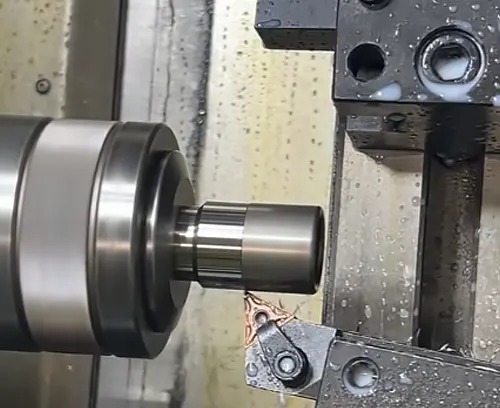
Coolants help to regulate the temperature of the cutting tool and workpiece, reduce friction, remove chips, and improve the overall machining process.
Choosing the right coolant for your CNC machine is crucial for achieving optimal results and extending the lifespan of your equipment.
Types of Coolants Used in CNC Machines
There are several types of coolants commonly used in CNC machines, each with its own characteristics and advantages.
It is important to consider factors such as the material being machined, the type of machining operation, the machine’s capabilities, and environmental concerns when selecting a coolant.
Here are some of the most common types of coolants used in CNC machines:
1. Water-Soluble Coolants
Water-soluble coolants, also known as cutting fluids, are the most widely used type of coolant in CNC machining.
These coolants are diluted with water to form a stable emulsion that provides excellent cooling and lubrication properties.
Water-soluble coolants are suitable for a wide range of materials and machining operations, making them a versatile choice for many applications.
2. Synthetic Coolants
Synthetic coolants are formulated from synthetic oils and additives to provide superior lubrication and cooling properties.
These coolants are more stable than water-soluble coolants and offer better corrosion protection and longer tool life.
Synthetic coolants are ideal for high-speed machining and heavy-duty applications where maximum performance is required.
3. Semi-Synthetic Coolants
Semi-synthetic coolants combine the benefits of water-soluble coolants and synthetic coolants to provide a balance of cooling, lubrication, and stability.
These coolants are easy to use and maintain, making them a popular choice for many CNC machining applications.
Semi-synthetic coolants are cost-effective and offer good performance for a wide range of materials and cutting conditions.
4. Straight Oils
Straight oils, also known as neat oils, are pure oils without any water content.
These coolants provide excellent lubrication and cooling properties for extreme machining operations, such as deep hole drilling, tapping, and broaching.
Straight oils are suitable for machining difficult materials, such as stainless steel, titanium, and inconel, where high lubricity is essential to prevent tool wear and improve surface finish.
Factors to Consider When Choosing a Coolant
When selecting a coolant for your CNC machine, it is important to consider several factors to ensure optimal performance and efficiency.
Some key factors to consider include:
1. Material compatibility: Ensure that the coolant is compatible with the material being machined to prevent corrosion and damage to the workpiece.
2. Machining operation: Select a coolant that is suitable for the specific machining operation, such as milling, turning, drilling, or grinding, to achieve the best results.
3. Tool life: Choose a coolant that provides adequate lubrication and cooling to extend the lifespan of the cutting tool and improve machining efficiency.
4. Environmental impact: Consider the environmental impact of the coolant, such as biodegradability, recyclability, and disposal methods, to comply with environmental regulations and sustainability goals.
Conclusion
Coolants are essential for optimizing the performance of CNC machines and achieving high-quality machining results.
By selecting the right coolant for your specific application and considering factors such as material compatibility, machining operation, tool life, and environmental impact, you can improve efficiency, extend tool life, and reduce overall machining costs.
Consult with coolant suppliers, machine manufacturers, and industry experts to choose the best coolant for your CNC machine and maximize your machining capabilities.