

Quick Answers




Can a CNC router cut metal sheets or plates?
- September 12, 2025
- Jason Chang
- 7:26 am
If you are in the manufacturing industry, you know how crucial it is to have the right tools and equipment to ensure precision, accuracy, and efficiency in your operations.
One piece of equipment that has gained popularity in recent years is the CNC router.
The question arises whether CNC routers are effective tools for cutting metal sheets and plates. This study aims to analyze their performance and applications.
Understanding CNC Routers
Firstly, let’s take a closer look at what CNC routers are and how they work. CNC stands for Computer Numerical Control, and a CNC router is a machine that uses computer-controlled cutting tools to remove material from a workpiece.
These machines are widely used in various industries, including woodworking, plastics, and composites.
But when it comes to cutting metal, many people are skeptical about the capabilities of CNC routers.
The Challenges of Cutting Metal
One of the primary challenges of cutting metal with a CNC router is the material’s hardness and toughness.
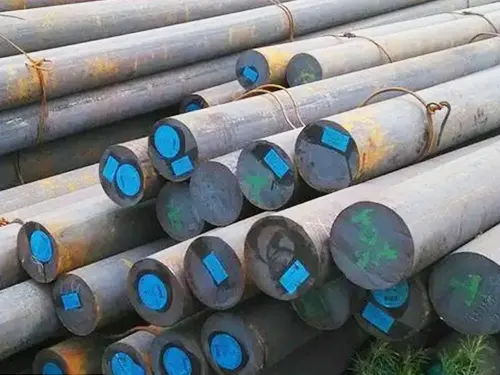
Metals such as steel, aluminum, and titanium are much harder than wood or plastic, which means that conventional cutting tools may struggle to make precise cuts.
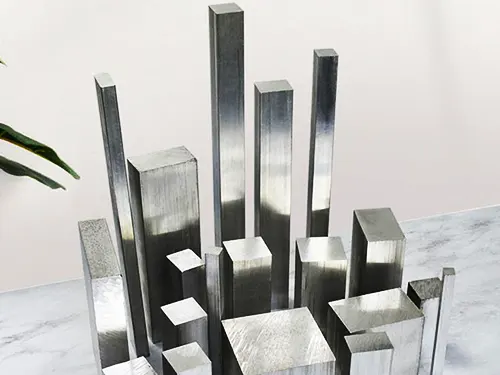
Additionally, metal sheets or plates are often thicker than other materials, requiring more power and torque to cut through.
Can CNC Routers Cut Metal Sheets or Plates?
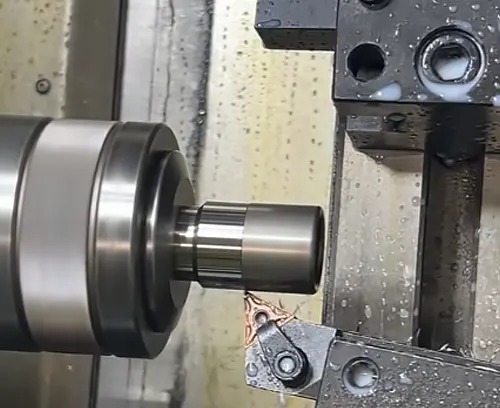
The short answer is yes, CNC routers can cut metal sheets or plates, but there are certain considerations that need to be taken into account.
In order to effectively cut metal with a CNC router, you will need to use the right cutting tools, feeds and speeds, and cutting techniques.
Cutting Tools
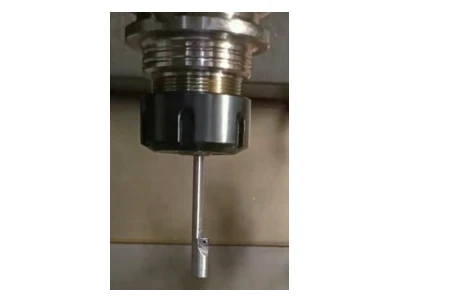
When cutting metal with a CNC router, it is essential to use cutting tools that are specifically designed for metal cutting.
These tools are made from high-speed steel, carbide, or other durable materials that can withstand the hardness of metal.
Additionally, the cutting edges of the tools should be sharp and well-maintained to ensure clean and precise cuts.
Feeds and Speeds
Feeds and speeds refer to the rate at which the cutting tool moves across the workpiece and the rotational speed of the tool, respectively.
When cutting metal, it is important to use the right feeds and speeds to prevent overheating of the cutting tool and workpiece.
Consult with the manufacturer’s guidelines or use cutting speed calculators to determine the optimal feeds and speeds for cutting metal.
Cutting Techniques
Various cutting techniques can be used when cutting metal with a CNC router, including conventional cutting, climb cutting, and peck cutting.
Each technique has its advantages and disadvantages, so it is essential to choose the one that best suits your specific application.
Experiment with different techniques to find the most efficient and effective method for cutting metal sheets or plates.
Benefits of Using a CNC Router for Cutting Metal
Despite the challenges of cutting metal with a CNC router, there are several benefits to using this technology. Some of the advantages include:
- Precision and accuracy: CNC routers are capable of making highly precise cuts, ensuring that your metal sheets or plates are cut to the exact dimensions required.
- Efficiency: CNC routers can cut metal more quickly and efficiently than traditional cutting methods, saving you time and labor costs.
- Versatility: With the right cutting tools and techniques, CNC routers can cut a wide range of metals, providing you with greater flexibility in your manufacturing processes.
- Automation: CNC routers are fully automated, reducing the risk of human error and improving the overall quality of your metal cutting operations.
Conclusion
In conclusion, while cutting metal with a CNC router may present some challenges, it is certainly possible with the right tools, feeds and speeds, and cutting techniques.
By following best practices and experimenting with different methods, you can achieve precise and efficient results when cutting metal sheets or plates with a CNC router.
The key is to understand the unique characteristics of metal and adjust your approach accordingly.
We hope this article has provided you with valuable insights into the capabilities of CNC routers for cutting metal, and we encourage you to explore this technology further in your manufacturing operations.