

Quick Answers





How to achieve a mirror finish on aluminum using CNC turning?
When it comes to achieving a mirror finish on aluminum using CNC turning, there are several important factors to consider.
As manufacturing engineers, we understand the importance of precision and high-quality finishes in our products.
By following these guidelines, you’ll be able to produce parts with a flawless surface finish that meets the highest standards of quality.
Understanding CNC Turning
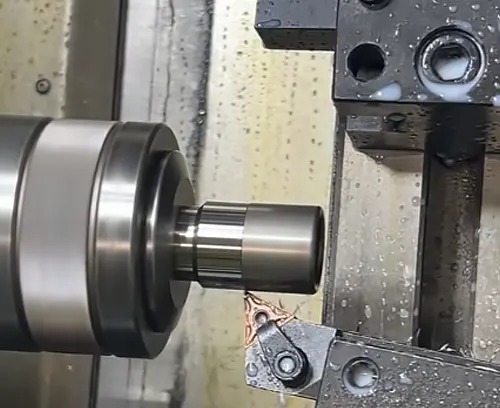
CNC turning is a machining process that involves the use of a computer-controlled lathe to remove excess material from a workpiece.
This process is commonly used in the manufacturing industry to create intricate parts with precise dimensions.
By utilizing CNC turning, engineers can achieve high levels of accuracy and consistency in their products.
Choosing the Right Tools
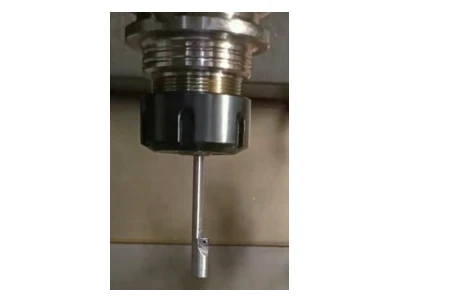
One of the most crucial aspects of achieving a mirror finish on aluminum is selecting the right cutting tools for the job.
When it comes to machining aluminum, carbide tools are often the preferred choice due to their durability and ability to withstand high cutting speeds.
Additionally, using tools with sharp cutting edges will help to minimize surface imperfections and ensure a smooth finish.
Optimizing Cutting Parameters
Setting the correct cutting parameters is essential for achieving a mirror finish on aluminum.
By adjusting factors such as cutting speed, feed rate, and depth of cut, you can control the material removal process and prevent excessive tool wear.
It’s important to find the perfect balance between these parameters to achieve optimal results.
Applying Coolant Effectively
Using coolant during the CNC turning process is crucial for maintaining the temperature of the cutting tool and workpiece.
Coolant helps to dissipate heat and prevent the material from sticking to the tool, resulting in a cleaner cut and smoother finish.
Make sure to apply the coolant properly to avoid any issues with chip buildup or tool wear.
Implementing Proper Machining Techniques
When machining aluminum to achieve a mirror finish, it’s important to follow proper machining techniques.
This includes using the right cutting speeds and feeds, employing sharp tools, and ensuring that the workpiece is securely clamped in place.
By paying attention to these details, you can minimize vibrations and tool deflection, leading to a flawless surface finish.
Utilizing Finishing Strategies
After the CNC turning process is complete, it’s essential to implement finishing strategies to achieve a mirror-like surface on aluminum.
This may involve using abrasive materials such as sandpaper or polishing compounds to smooth out any imperfections and enhance the shine of the material.
By taking the time to finish the part properly, you can ensure a high-quality end result.
Inspecting the Final Product
Once the machining and finishing processes are complete, it’s crucial to inspect the final product to ensure that it meets the desired specifications.
Use precision measuring tools such as calipers or micrometers to check the dimensions and surface finish of the part.
By conducting thorough inspections, you can guarantee that the aluminum part has a mirror-like finish that meets the highest standards of quality.
Conclusion
Achieving a mirror finish on aluminum using CNC turning requires a combination of precision, attention to detail, and the right tools and techniques.
By following the guidelines outlined in this article, you can produce parts with a flawless surface finish that meets the highest standards of quality.
Remember to choose the right cutting tools, optimize cutting parameters, apply coolant effectively, implement proper machining techniques, utilize finishing strategies, and inspect the final product to ensure a mirror-like finish on aluminum.
With practice and patience, you’ll be able to master the art of achieving a mirror finish on aluminum through CNC turning.