
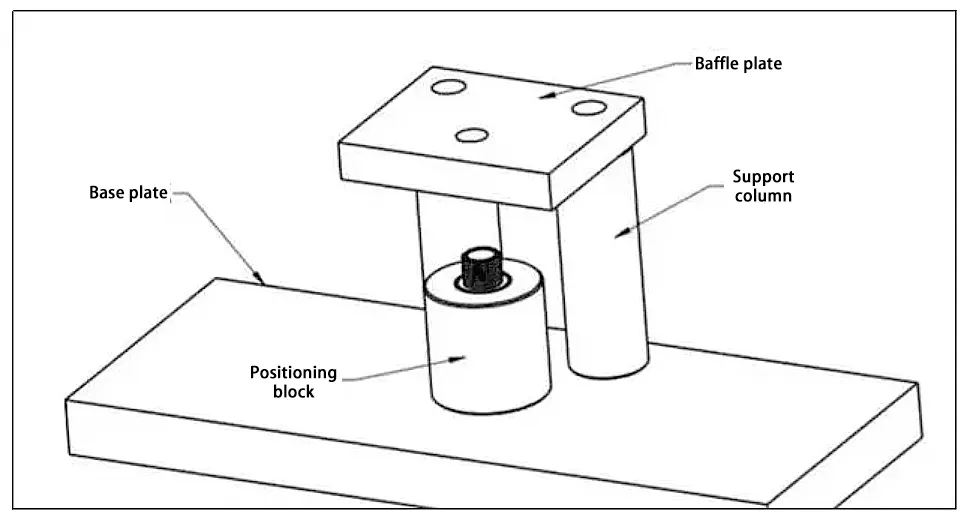
Key Points in Fixture Design: All Internal Materials!
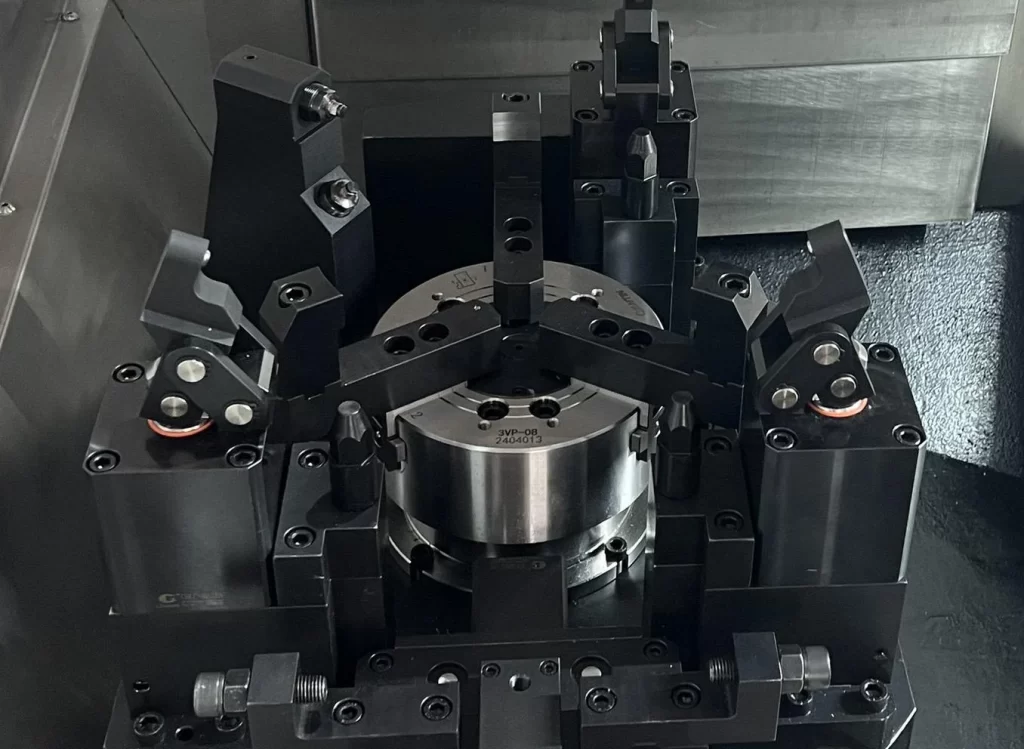
Fixture design is typically carried out after the mechanical processing procedures for a part have been established, based on the specific requirements of a particular operation.
Fixture design is typically carried out after the mechanical processing procedures for a part have been established, based on the specific requirements of a particular operation.
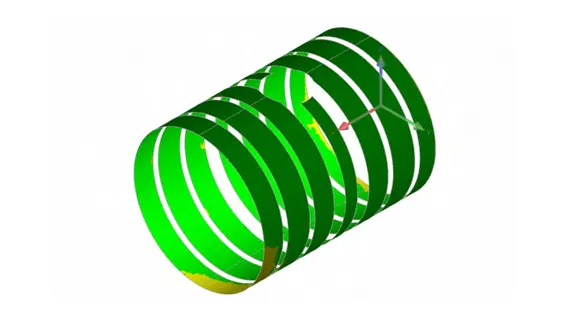
Aluminum alloy cylinder castings, renowned for their lightweight and high-strength properties, are widely used in the manufacturing of critical structural components such as underwater equipment.
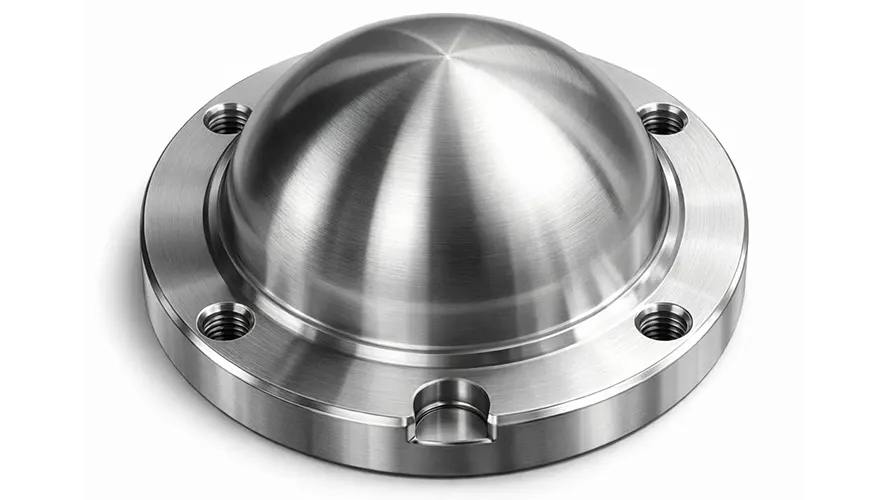
The lower housing component for a certain aircraft is made of difficult-to-machine stainless steel. It features a complex structure typical of hemispherical thin-walled parts and imposes specific requirements on material strength and toughness.

A steam turbine is a rotary power machine that converts the thermal energy of high-temperature, high-pressure steam into mechanical energy. It is now widely used in numerous fields such as thermal power generation, nuclear power generation, marine propulsion, and petrochemicals.
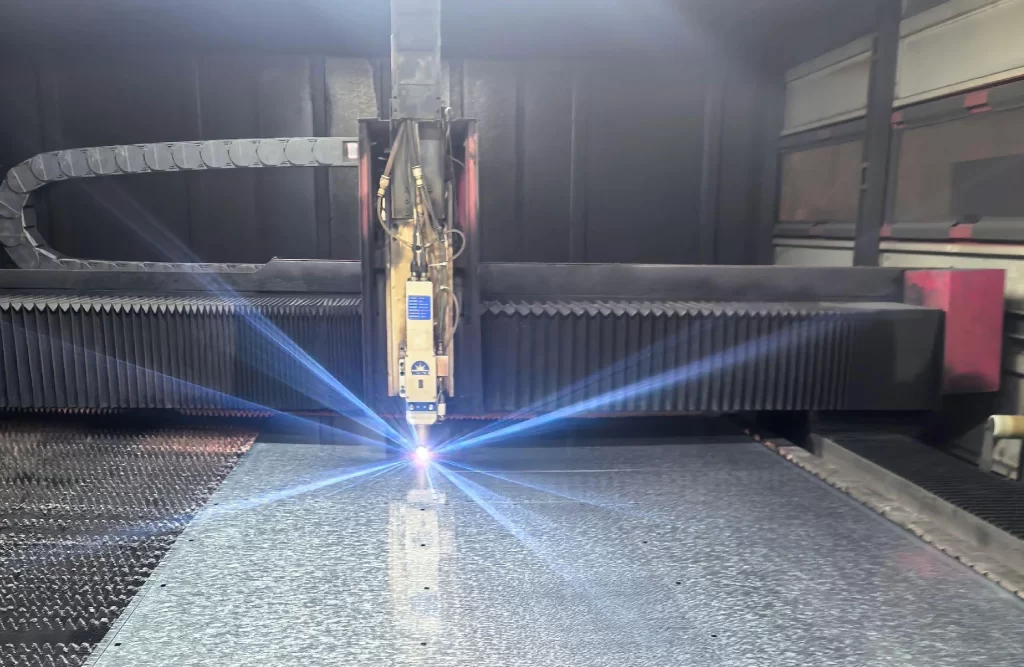
With the rapid advancement of modern manufacturing, laser cutting technology has emerged as a primary method for metal sheet processing due to its high precision, efficiency, and low pollution.
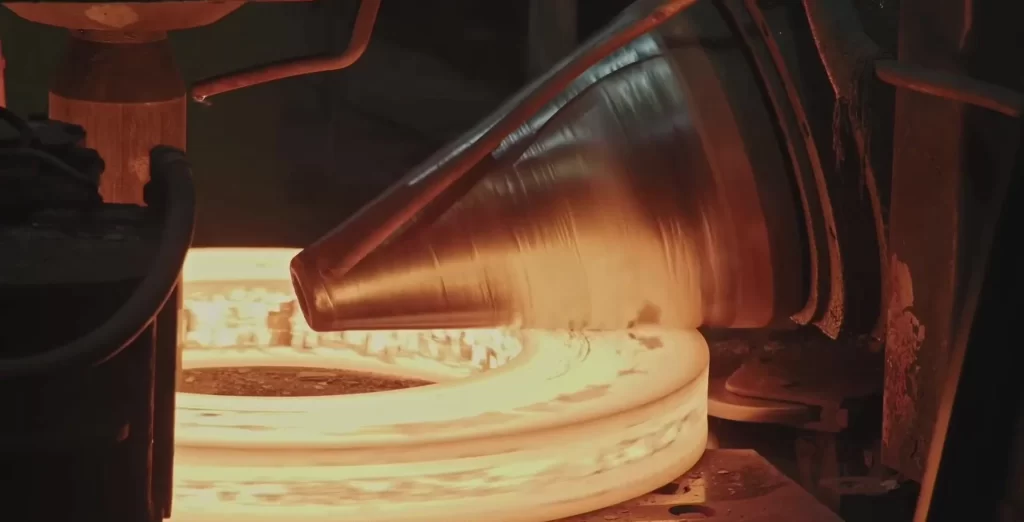
Titanium alloys are widely used in aerospace, biomedical, and marine engineering fields due to their high-temperature resistance, corrosion resistance, and high specific strength.
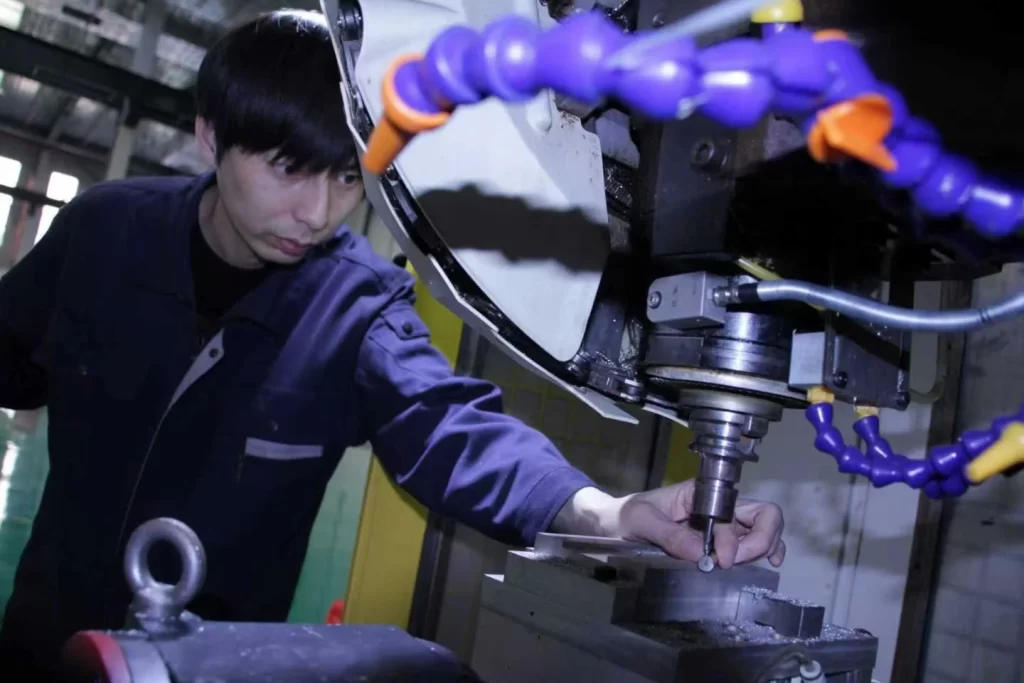
CNC milling machines are widely used in precision machining. However, traditional quality control methods rely heavily on experience and struggle to adapt to complex machining variations.
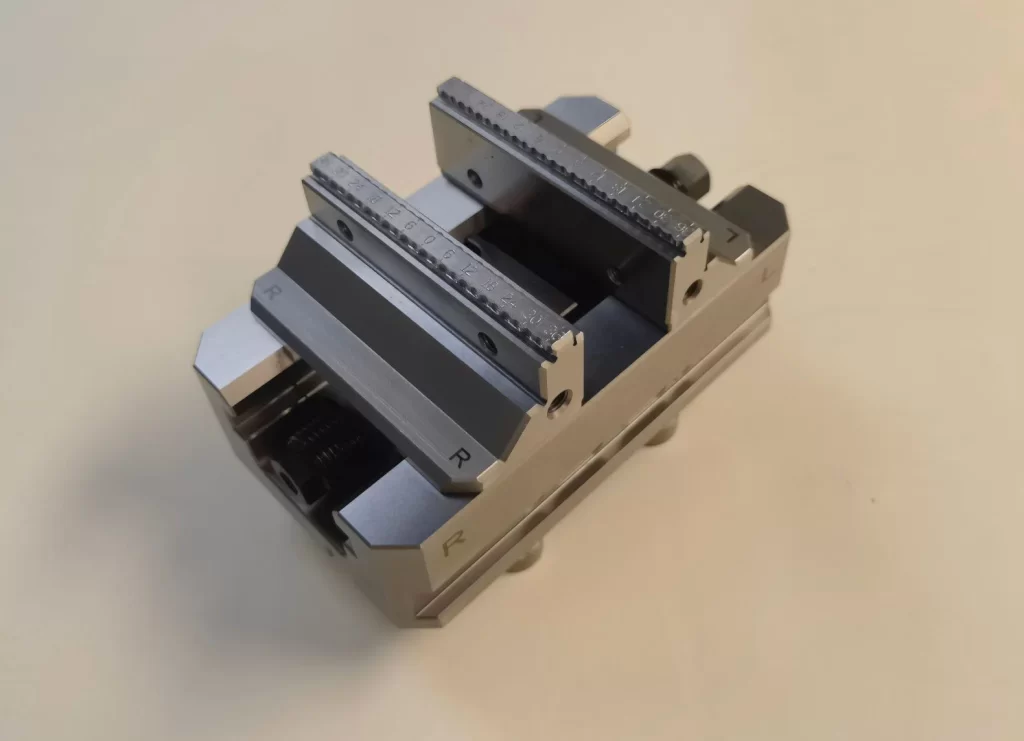
Positioning and clamping are fundamental to achieving accuracy, stability, and efficiency in machining operations. Proper locator selection and clamping design directly influence workpiece positioning accuracy, deformation control, and overall machining quality.
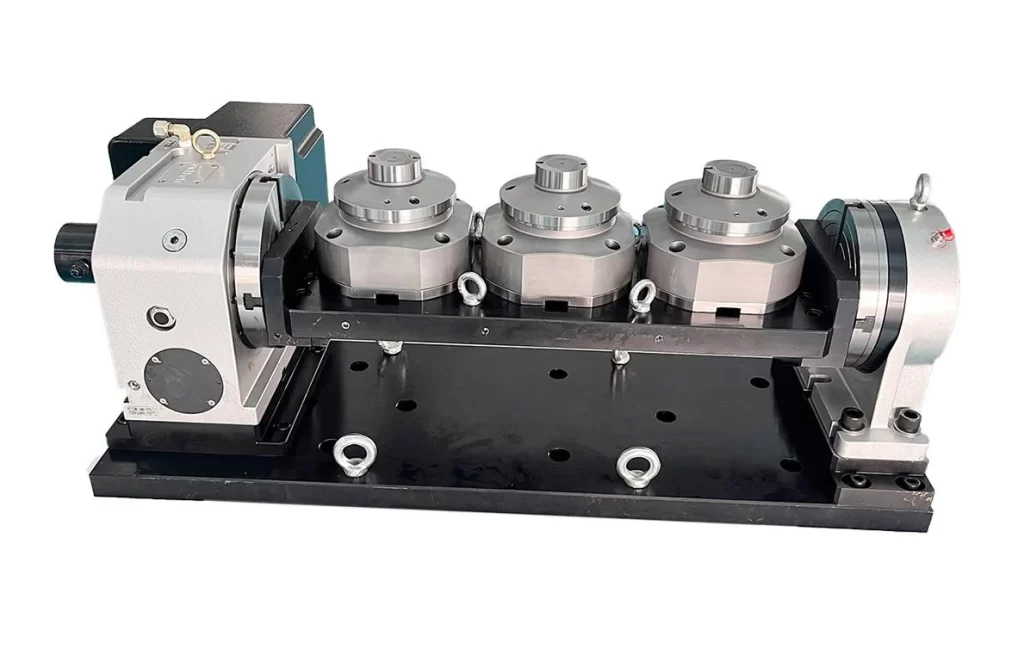
Thin-walled components are widely used in aerospace, automotive manufacturing, and other fields. Typically less than 5mm thick, their low-rigidity structure makes them susceptible to vibration induced by cutting forces during machining.
The axle (also known as the axle housing) is a core component of the vehicle chassis’ running gear system, performing critical mechanical power transmission and load-bearing functions within the overall vehicle structure,

In the mechanism of tool wear, “wear” itself is not the sole cause of tool failure; “high temperatures” are the true enemy of tools.