

Quick Answers




Are guitars manufactured using CNC machines?
- August 22, 2025
- Jason Chang
- 6:32 am
In the world of manufacturing, Computer Numerical Control (CNC) machines have revolutionized the production of products.
These high-tech machines are used to automate the production of complex parts and components with a high degree of precision and accuracy.
One industry that has seen significant advancements in manufacturing processes thanks to CNC technology is the music industry, particularly in the production of guitars.
Traditional Guitar Manufacturing Process
Before the advent of CNC technology, guitar manufacturing was a labor-intensive process that required highly skilled craftsmen to handcraft each instrument with meticulous care.
Wood was carefully selected, shaped, and assembled by hand to create a unique and individual instrument.
While this traditional method of guitar making is still valued for its craftsmanship and artistry, advancements in technology have allowed for greater efficiency and consistency in the manufacturing process.
Introduction of CNC Machines
CNC machines have been widely adopted in the guitar manufacturing industry for their ability to streamline production processes and reduce human error.
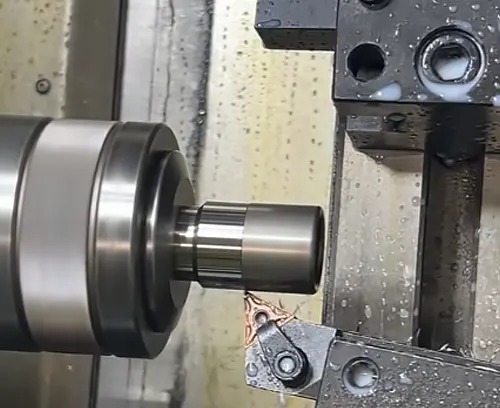
These machines are programmed to perform a series of precise cutting, shaping, and drilling operations on wooden blanks to create guitar bodies, necks, and other components with incredible accuracy.
By using CNC technology, manufacturers can produce identical parts in large quantities with minimal variation, resulting in a more consistent product.
Advantages of Using CNC Machines
There are several key advantages to using CNC machines in guitar manufacturing:
- Increased Precision: CNC machines are capable of performing exact cuts and shaping operations that are difficult to achieve manually. This results in a higher level of accuracy and consistency in the final product.
- Efficiency: CNC machines are able to work quickly and effectively, reducing the time and labor required to manufacture guitars. This leads to higher production rates and lower costs for manufacturers.
- Customization: CNC technology allows for greater flexibility in design and customization options for guitars. Manufacturers can easily program the machines to create unique shapes, contours, and finishes to meet the specific requirements of customers.
- Quality Control: CNC machines are equipped with advanced monitoring and feedback systems that can detect and correct errors in real-time. This ensures that each guitar meets the highest standards of quality and performance.
Applications of CNC Machines in Guitar Manufacturing
CNC machines are used in a variety of ways throughout the guitar manufacturing process, including:
- Body and Neck Shaping: CNC machines are used to cut and shape wooden blanks into the desired contours for guitar bodies and necks. This process allows for precise control over the dimensions and geometry of the final product.
- Fret Slotting and Inlaying: CNC machines are used to cut accurate fret slots in the fingerboard and create intricate inlays for decorative purposes. This precise work is essential for ensuring the playability and aesthetics of the final instrument.
- Routing and Drilling: CNC machines are utilized to route cavities in guitar bodies for electronics and hardware, as well as to drill holes for tuning pegs, bridge pins, and other components. This ensures proper alignment and fit of all parts during assembly.
- Finishing and Sanding: CNC machines can be programmed to apply finishes, sealants, and polishes to guitar bodies and necks, as well as to sand and buff the surfaces to a smooth and lustrous finish. This final step enhances the appearance and durability of the instrument.
Challenges and Considerations
While CNC technology offers many benefits to guitar manufacturers, there are also challenges and considerations to be aware of:
- Initial Investment: CNC machines can be costly to purchase and set up, requiring a significant upfront investment for manufacturers. However, the long-term savings in labor and production costs can outweigh this initial expense.
- Programming and Training: Operating CNC machines requires specialized programming skills and training to ensure proper setup and operation. Manufacturers must invest in training programs for their employees to maximize the benefits of this technology.
- Maintenance and Upkeep: CNC machines require regular maintenance and calibration to ensure optimal performance and accuracy. Manufacturers must have a maintenance schedule in place to prevent downtime and costly repairs.
- Design Limitations: While CNC technology allows for greater customization and precision in guitar manufacturing, there are still limitations to what can be achieved with these machines. Complex designs and intricate detailing may require additional manual work or specialized equipment.
Conclusion
In conclusion, CNC machines have become an integral part of modern guitar manufacturing, allowing for greater efficiency, precision, and customization in the production process.
While traditional craftsmanship and handwork are still highly valued in the industry, CNC technology has revolutionized the way guitars are made, resulting in higher-quality products and enhanced manufacturing capabilities.
As technology continues to advance, the role of CNC machines in guitar manufacturing will only continue to grow, shaping the future of this timeless instrument.