cylogo2
C-YCNC

Blog

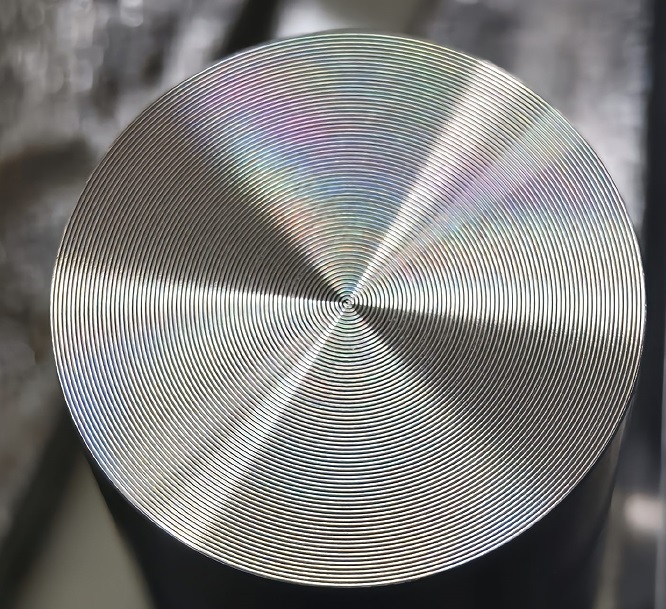
Surface roughness of parts

Measure analysis of surface roughness

Table of Contents Introductory The influence of the surface roughness of a part on its use performance is multifaceted.  Therefore, in the selection of surface roughness parameters, should be able to fully and reasonably reflect the real situation of the surface micro-geometry. For most surfaces, evaluators generally use only the

cutting process of stainless steel

In-depth introduction to the cutting process of stainless steel SUS321

Table of Contents Usually contains more than 12% chromium or nickel content of more than 8% of the alloy steel called stainless steel. More Cr and Ni improve stainless steel’s properties, boosting corrosion resistance and strength above 450 ℃. Therefore, many industries widely use it in aerospace, chemical, petroleum, construction, food

Featured Image

PTFE Machining for Engineers

Table of Contents Introduction Overview of PTFE (Polytetrafluoroethylene)PTFE, commonly known by its trade name Teflon, is a high-performance thermoplastic fluoropolymer renowned for its exceptional chemical resistance, low coefficient of friction, and excellent thermal stability. Its unique properties make it indispensable across industries such as chemical processing, electronics, aerospace, and medical

Featured Image

Machining Processes and Technologies

Table of Contents Introduction to Machining Machining is a core pillar of modern manufacturing. Defined as a subtractive manufacturing process, machining involves the controlled removal of material from a workpiece to achieve precise shapes, dimensions, and surface finishes. This process underpins critical manufacturing sectors such as automotive, aerospace, construction, electronics,

precision machining

Development Status and Trends of Ultra-precision Machining Machine Tools

Ultra-precision machining technology plays a vital role in high-end manufacturing, with ultra-precision machine tools serving as its essential foundation. This paper systematically reviews the current development of ultra-precision machining equipment, highlighting representative machine tool structures. It provides a comparative analysis of different categories of ultra-precision machine tools in terms of

sheet metal

Sheet Metal Bending: Design and Fabrication Guide

Table of Contents Introduction Definition and Importance Sheet metal bending is a core manufacturing process in which flat metal sheets are transformed into three-dimensional shapes through controlled plastic deformation. Using tools such as press brakes and dies, materials are bent along straight axes to achieve functional, often highly precise geometries.

thin wall

Analysis of precision thin-walled parts by CNC milling

With the development of society, aircraft, aerospace vehicles, drones are increasing, the demand for thin-walled parts is increasing. Thin-walled parts internal hollowing, high excision rate is generally more than 90%. Thin-walled parts require high-precision milling with heavy metal removal, but low rigidity and easy deformation reduce milling efficiency. Milling thin-walled

Heating of metal materials

Analysis of heat treatment deformation and cracking of metal materials

In the processing of metal materials, heat treatment technology is widely used. The technology through heating, holding and cooling steps, change the internal organization of metal materials, and then improve their mechanical properties and stability. However, the deformation and cracking problems generated in the heat treatment process have always been

Scroll to Top