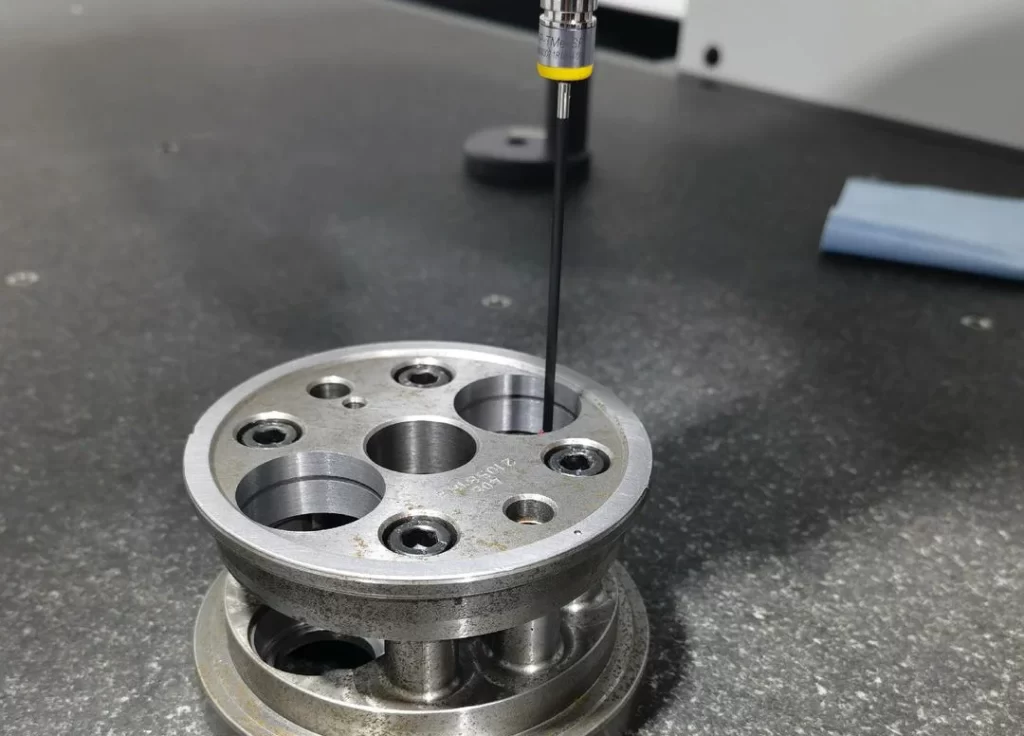
Multi-Part Shared Blank CNC Machining: Efficient Process for Thin-Walled Aluminum Parts
Aluminum alloys are characterized by low density, excellent mechanical properties, good machinability, and high corrosion resistance.


Aluminum alloys are characterized by low density, excellent mechanical properties, good machinability, and high corrosion resistance.
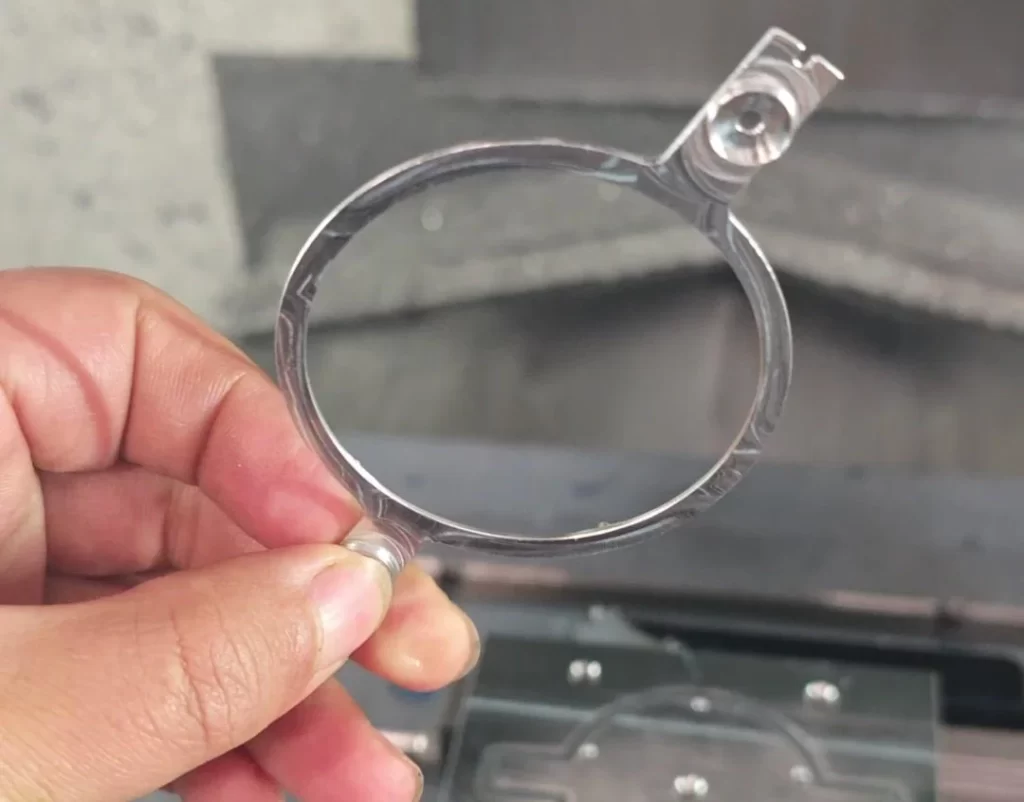
Due to their light weight and compact structure, thin-walled parts are widely used in industries such as aerospace, automotive, and electronics.
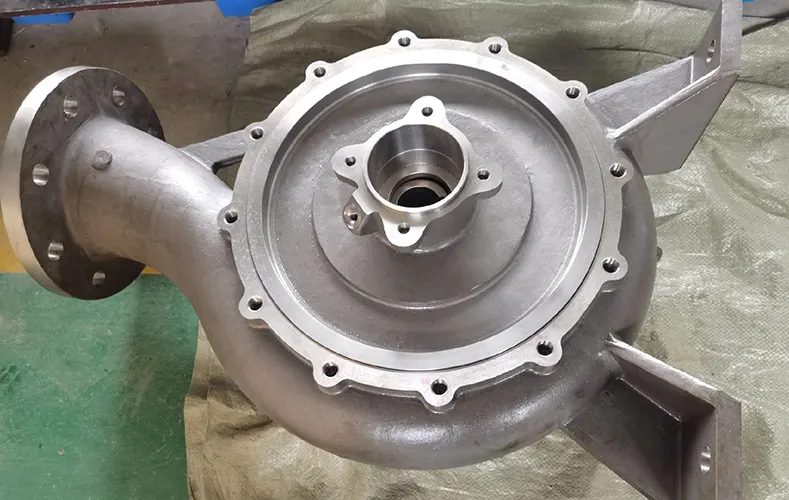
Explore advanced titanium alloy machining techniques for aircraft engine sealing components, including precision hole machining, thread processing, and coating optimization to improve performance, reliability, and manufacturing efficiency.
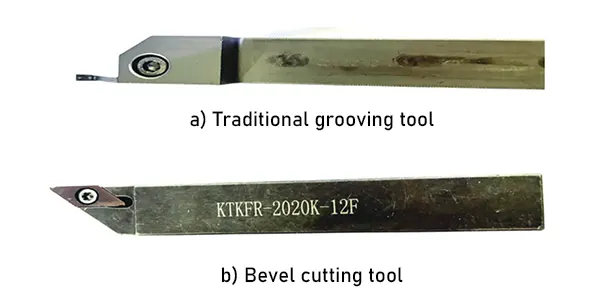
Learn expert strategies for thin-walled parts CNC machining, including tool selection, 304 stainless steel processing, heat treatment, and deformation control to achieve high precision and stable quality.
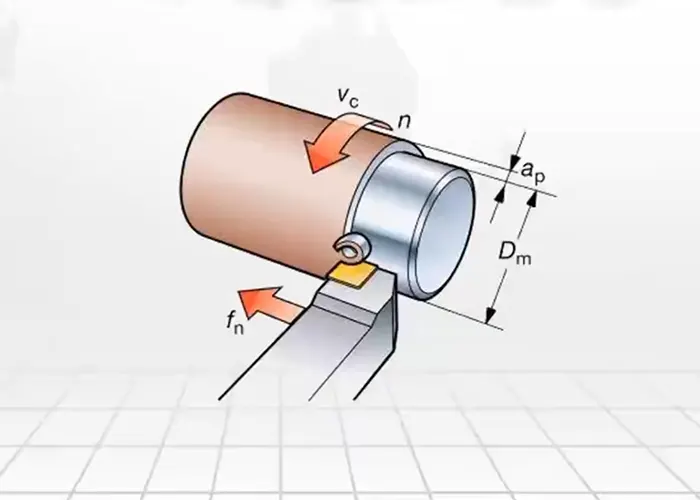
Understanding CNC cutting parameters is essential for achieving high machining efficiency, tool longevity, and superior surface quality. By systematically selecting the depth of cut, feed rate, and spindle speed based on machine rigidity, workpiece material, and machining requirements
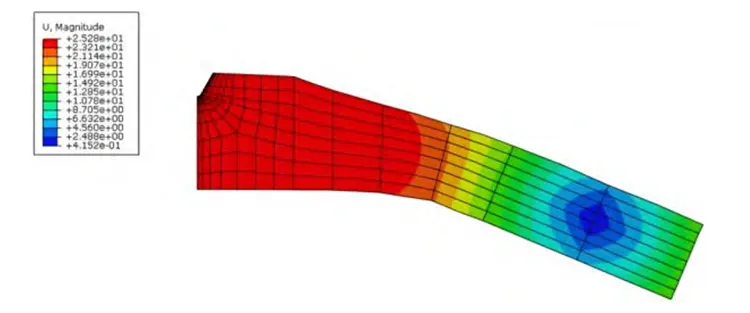
This study explores rocker arm precision machining, addressing challenges in thin-walled, multi-hole components. By integrating staged machining processes, diamond-coated tooling, and a hydraulically driven modular fixture, t
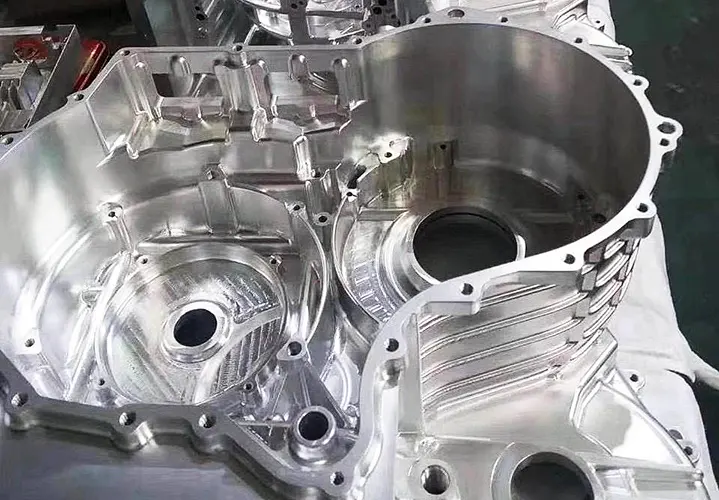
As the automotive industry transitions toward lightweighting and intelligent manufacturing, the application share of thin-walled shell components continues to rise.
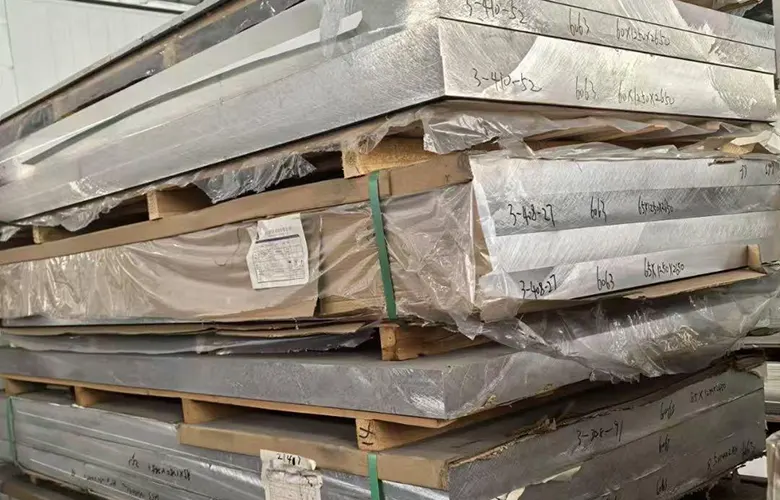
The aluminum alloy doors and windows, phone cases, soda cans, and even airplane wings we encounter daily all appear to be “aluminum,” yet they are diverse in type and purpose.
This article explores spiral steam seal groove machining for gas turbine sleeves using advanced CNC turning methods. It compares contour turning and form turning processes,